
If you’re dealing with lower back pain, you’re not alone—it’s a common issue that many people experience at some point in their lives. Finding the right treatment can feel overwhelming, but it’s crucial to explore your options. One of the best choices you can make for pain relief and overall wellness is chiropractic care.
Chiropractic care focuses on the relationship between your spine and your nervous system. By ensuring that your spine is properly aligned, we can help alleviate pain, improve mobility, and enhance your body’s natural healing abilities. This holistic approach not only addresses the symptoms of lower back pain but also promotes your long-term health and wellness.
In addition to chiropractic adjustments, there are several other effective treatments and strategies you can incorporate into your routine for lower back pain relief. Here are ten of the best options:
- Chiropractic Adjustments: Regular visits to your chiropractor can help maintain spinal alignment and reduce pain.
- Physical Therapy: Complementing chiropractic care with physical therapy can strengthen your back muscles and improve flexibility.
- Stretching and Strengthening Exercises: Incorporating gentle stretches and targeted exercises into your daily routine can help support your spine.
- Heat and Ice Therapy: Applying heat or ice packs can provide temporary relief and reduce inflammation.
- Ergonomic Adjustments: Making changes to your workspace or posture can significantly reduce strain on your back.
- Mindfulness and Relaxation Techniques: Practices like yoga or meditation can help manage stress and reduce muscle tension.
- Proper Footwear: Wearing supportive shoes can improve your posture and reduce the impact on your lower back.
- Hydration and Nutrition: Staying hydrated and maintaining a balanced diet can support your overall health and healing.
- Regular Exercise: Engaging in low-impact activities like walking or swimming can keep your body active without straining your back.
- Sleep Hygiene: Ensuring you have a supportive mattress and pillow can help you achieve restorative sleep, which is essential for healing.
By prioritizing chiropractic care and these complementary strategies, you can take significant steps toward relieving your lower back pain naturally. Remember, it’s all about finding what works best for your body and promoting a healthier lifestyle. If you’re ready to explore these options further, I encourage you to reach out for a consultation. Together, we can develop a personalized plan that aligns with your health goals.
Key Takeaways
- Chiropractic care is an excellent choice for lower back pain relief. Our hands-on spinal adjustments help realign your vertebrae, reduce pain, and improve overall function without the need for medications. By addressing the root cause of your discomfort, chiropractic care promotes healing and wellness naturally.
- Engaging in regular physical activity is essential for a healthy spine. Simple exercises like stretching, walking, and yoga can strengthen your back and support recovery. Incorporating these activities into your daily routine can significantly enhance your healing process.
- Utilizing heat and cold therapy is another effective way to manage lower back pain. Applying heat helps improve blood flow, while cold therapy reduces inflammation in the affected areas. Alternating between these methods can provide quick relief and comfort.
- Soft tissue therapies, including gentle massage techniques, are beneficial in relieving muscle tension. These therapies not only support recovery but also enhance your mobility, allowing you to move more freely and comfortably.
- Good posture is crucial for maintaining a healthy spine. Be mindful of your posture during daily activities, and consider using ergonomic furniture to support your back. Simple adjustments in your workspace or home can make a significant difference in preventing strain and promoting spinal health.
By prioritizing chiropractic care and these holistic approaches, you can take control of your back pain and work towards optimal health and wellness. Remember, a healthy spine is the foundation of a healthy life!
Physical Therapy
Chiropractic care is essential for managing lower back pain and can significantly help you regain mobility and strength.
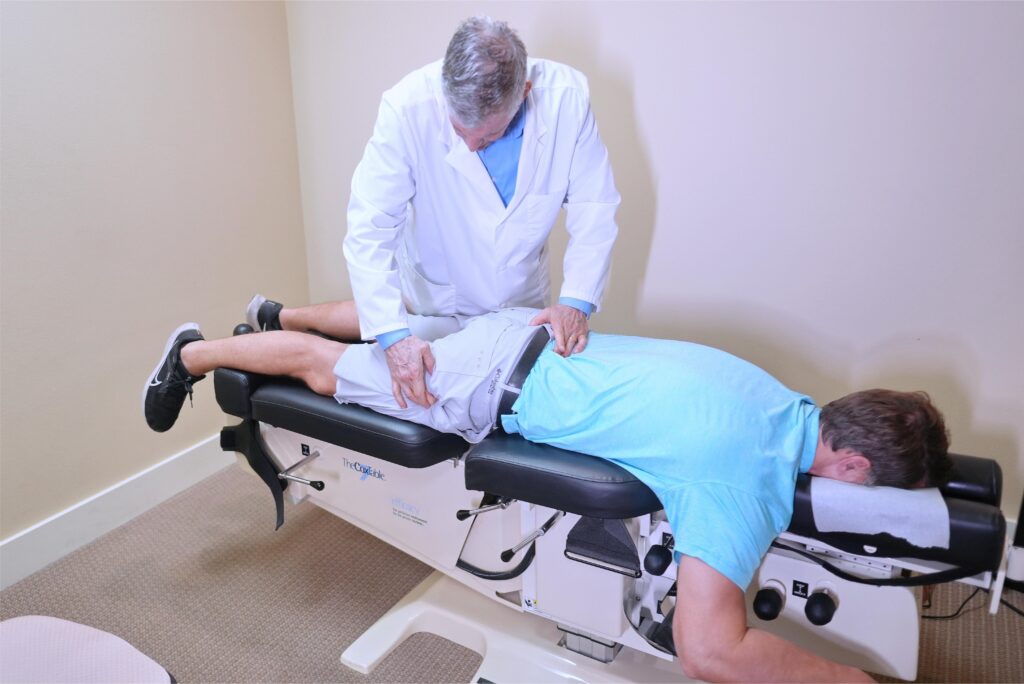
When you visit a chiropractor, you’ll receive a thorough assessment to pinpoint the source of your discomfort. Based on your unique needs, your chiropractor will create a customized treatment plan that focuses on spinal adjustments to realign your vertebrae, relieving pressure and promoting natural healing.
In addition to spinal adjustments, you’ll learn effective techniques to reduce tension and avoid movements that may aggravate your condition. Your chiropractor may also provide exercises to strengthen your core, improve flexibility, and enhance your posture, all of which are crucial for long-term back health.
As you follow your chiropractic care regimen, you’ll likely see improvements in your daily activities and overall quality of life. Staying committed to your treatment is key—regular visits ensure you maintain progress and prevent future issues.
Chiropractic Care
If you’re dealing with lower back pain, chiropractic care can truly transform your life.
As a local chiropractor, I can tell you that our focus is on realigning your spine through various gentle techniques, which can lead to significant improvements in your comfort and overall well-being.
Chiropractic adjustments are a natural, non-invasive approach to pain relief that not only targets discomfort but also promotes healing and better spinal health.
When your spine is aligned correctly, your body can function at its best, allowing you to enjoy a healthier, more active lifestyle.
To get the most out of chiropractic care, I recommend visiting your chiropractor regularly.
The frequency of visits can vary based on your individual needs, but many people find that consistent adjustments lead to lasting relief.
Here are a few tips to enhance your experience and support your journey to optimal health:
- Stay Active: Gentle exercises and stretching can help maintain spinal health.
- Practice Good Posture: Pay attention to how you sit, stand, and move.
- Ergonomics Matter: Make sure your workspace is set up to support your spine.
- Stay Hydrated: Drinking plenty of water can help keep your discs in your spine hydrated and functioning properly.
- Listen to Your Body: If you feel discomfort, don’t ignore it.
Chiropractic care isn’t just about alleviating pain; it’s about promoting a healthier, more balanced life.
Embrace this natural healing method, and let’s work together to achieve optimal health!
Benefits of Chiropractic Adjustments
Chiropractic adjustments are a powerful way to find relief from lower back pain and enhance your overall well-being. These gentle adjustments help realign your spine, which can significantly reduce nerve irritation and muscle tension. As a result, many people experience improved mobility and flexibility, making daily activities much easier to handle.
One of the best things about chiropractic care is its focus on natural healing. When your spine is in alignment, it can help you maintain better posture and reduce the risk of future injuries. You may notice a decrease in pain levels, enabling you to engage in more physical activities and enjoy life to the fullest.
Not only do chiropractic adjustments help with physical pain, but they can also lead to improvements in your mood and a reduction in stress. By focusing on your spine and nervous system, chiropractic care can contribute to a healthier, happier you.
To maximize the benefits of chiropractic adjustments, consider incorporating a few healthy habits into your daily routine:
- Stay Active: Regular physical activity can help strengthen your back and support overall spinal health. Simple exercises like walking, stretching, or yoga can be very beneficial.
- Practice Good Posture: Pay attention to how you sit, stand, and move throughout the day. Good posture can help alleviate unnecessary strain on your spine.
- Stay Hydrated: Drinking plenty of water is essential for keeping your muscles and joints healthy.
- Listen to Your Body: If something doesn’t feel right, don’t ignore it. Early intervention can prevent further issues down the line.
- Regular Chiropractic Visits: Consistent chiropractic care can provide long-lasting relief and help keep your body functioning optimally.
Techniques Used in Treatment
To effectively tackle lower back pain, chiropractic care offers several tailored techniques designed to meet your unique needs. One of the most well-known methods is spinal manipulation. This hands-on approach allows chiropractors to adjust your spine, improving alignment, alleviating discomfort, and promoting overall wellness.
In addition to spinal adjustments, soft tissue therapy is another valuable technique. This focuses on relieving tension in muscles and ligaments, enhancing mobility, and encouraging better movement patterns. Incorporating stretching and strengthening exercises into your care plan is essential as well. These exercises help support your spine and significantly reduce the risk of future issues, empowering you to take an active role in your health.
Your chiropractor may also use gentle modalities like heat therapy or ultrasound to encourage healing, soothe discomfort, and support your recovery process. By combining these effective techniques, you can work towards alleviating pain and restoring function, paving the way for a healthier, more active lifestyle.
As a simple takeaway, remember that maintaining good posture and incorporating regular movement into your day can be incredibly beneficial for your spine. Stay hydrated and consider gentle stretching to keep your muscles relaxed. With chiropractic care at the forefront of your wellness journey, you can embrace a natural path to optimal health.
Frequency of Visits
Regular visits to your chiropractor can play a vital role in your journey toward recovery from lower back pain. The frequency of these appointments often depends on the severity of your condition and how your body responds to treatment. In the beginning, many patients benefit from visiting their chiropractor two to three times a week. This helps manage pain and enhances mobility, allowing you to feel better faster.
As you start to improve, your visits may gradually reduce to once a week or even bi-weekly. During these sessions, we’ll focus on maintaining your progress and preventing future discomfort. It’s crucial to keep an open line of communication with your chiropractor about how you’re feeling. This ensures we tailor your visit schedule to best meet your individual needs.
Consistency is essential in chiropractic care. Sticking to your recommended visit plan can lead to more effective treatment and long-lasting relief from discomfort. Remember, chiropractic care is a natural, holistic approach to health, focusing on the body’s ability to heal itself.
Here are a few tips to enhance your recovery journey:
- Stay Active: Gentle exercises and stretches can help keep your back strong and flexible.
- Practice Good Posture: Pay attention to your posture, whether sitting at a desk or lifting objects. Good posture can reduce strain on your back.
- Hydrate: Drinking enough water can support spinal health and overall wellness.
- Listen to Your Body: If something doesn’t feel right, don’t hesitate to reach out. Your chiropractor is here to help guide you.
Chiropractic care is a powerful tool for achieving optimal health and wellness. Don’t hesitate to ask questions about your care; we’re here to support you every step of the way!
Massage Therapy
Massage therapy can be a valuable component in managing lower back pain, but it’s important to remember that chiropractic care is often the most effective way to achieve optimal health and wellness. By focusing on spinal alignment and overall body mechanics, chiropractors work to address the root causes of pain, rather than just the symptoms.
When you visit a chiropractor, they’ll perform a thorough assessment to understand your specific discomfort and how it relates to your spine and nervous system. This holistic approach not only targets tight muscles and improves circulation, similar to massage, but it also promotes proper alignment, which is crucial for long-term relief and health.
Regular chiropractic adjustments can lead to greater mobility and reduced pain levels over time. Many patients experience not just immediate relief but also improvements in their overall well-being, including better sleep and lower stress levels. This is because chiropractic care works to enhance the function of your nervous system, which plays a key role in how your body manages pain and stress.
It’s essential to communicate openly with your chiropractor about your pain and health goals. This allows them to tailor your treatment plan specifically to your needs, ensuring you receive the maximum benefit.
Incorporating chiropractic care into your routine could be a game-changer for managing lower back pain and achieving a healthier lifestyle. Remember to maintain good posture, engage in regular physical activity, and stay hydrated to support your spinal health. By choosing chiropractic care, you’re taking a proactive step towards natural healing and optimal wellness.
Medication and Pain Relievers
When you’re experiencing lower back pain, it’s important to understand that there are natural and effective solutions available, particularly through chiropractic care.
While you may come across various options like over-the-counter pain relievers or prescription medications, these often only mask the symptoms instead of addressing the root cause of your discomfort.
Chiropractic care focuses on the health of your spine and how it impacts your overall well-being.
By correcting misalignments in the spine through gentle adjustments, we can help alleviate pain and restore proper function to your body.
This approach not only targets lower back pain but also promotes overall health and wellness.
Alongside chiropractic adjustments, there are some simple strategies you can incorporate into your daily routine to support your back health:
- Maintain Good Posture: Pay attention to your posture whether you’re sitting, standing, or lifting. Proper alignment can significantly reduce strain on your back.
- Stay Active: Engaging in regular physical activity can strengthen your back muscles and improve flexibility. Consider low-impact exercises like walking, swimming, or yoga.
- Use Proper Lifting Techniques: When lifting heavy objects, bend at your knees instead of your waist. Keep the load close to your body to reduce strain on your back.
- Stay Hydrated: Drinking plenty of water helps keep your spinal discs hydrated and supports overall bodily functions.
- Rest and Recovery: Make sure to get enough rest and allow your body time to recover from any strain or injury.
Incorporating these tips into your lifestyle, along with regular chiropractic visits, can lead you to a more natural and effective way to manage and prevent lower back pain.
Embracing chiropractic care is a proactive step toward achieving optimal health and well-being.
Over-the-Counter Options
Navigating lower back pain can be tough, but there are natural approaches that can help you find relief without relying on medications. As a chiropractor, I believe that promoting spinal health and wellness is key to achieving lasting comfort.
Here are some effective strategies to consider:
- Chiropractic Care: Regular visits to a chiropractor can help realign your spine and relieve pressure on nerves, which may alleviate pain and improve your overall mobility. A personalized treatment plan can address the root cause of your discomfort.
- Physical Activity: Engaging in gentle exercises, such as walking, stretching, or yoga, can strengthen your back muscles and improve flexibility. These activities help promote blood flow and reduce stiffness, contributing to pain relief.
- Good Posture: Maintaining proper posture throughout your daily activities is crucial for spinal health. Be mindful of your body mechanics when sitting, standing, or lifting heavy objects to avoid unnecessary strain on your back.
- Heat and Cold Therapy: Applying a warm compress or heating pad to your lower back can relax tight muscles, while cold packs can reduce inflammation and numb sharp pain. Alternating between the two can provide additional relief.
- Hydration and Nutrition: Staying well-hydrated and eating a balanced diet rich in anti-inflammatory foods can support your overall health and aid in recovery. Consider incorporating fruits, vegetables, whole grains, and omega-3 fatty acids into your meals.
Prescription Medications
When it comes to finding relief from lower back pain, many people are looking for natural and effective solutions. As a chiropractor, I believe that chiropractic care is one of the best ways to achieve optimal health and wellness. Unlike prescription medications, which can come with unwanted side effects and risks, chiropractic adjustments focus on aligning the spine and improving your body’s ability to heal naturally.
Chiropractic care can help alleviate pain by addressing the root causes of discomfort, such as misalignments in the spine or muscle tension. Regular adjustments can’t only provide immediate relief but also promote long-term wellness by enhancing your overall function and mobility.
Here are some general tips to support your lower back health:
- Stay Active: Engage in low-impact exercises like walking, swimming, or yoga to strengthen your back muscles and improve flexibility.
- Practice Good Posture: Pay attention to your posture while sitting, standing, and lifting. Proper alignment can prevent unnecessary strain on your back.
- Stretch Regularly: Incorporate gentle stretches into your daily routine to maintain flexibility and reduce tension in your muscles.
- Listen to Your Body: If you feel discomfort or pain, don’t ignore it. Early intervention, such as visiting a chiropractor, can help prevent more severe issues down the line.
- Stay Hydrated: Drinking plenty of water helps keep your discs healthy and supports overall spinal health.
Natural Pain Relievers
Chiropractic care is an excellent foundation for managing lower back pain, and many patients find it beneficial to incorporate natural pain relievers to enhance their healing journey. These alternatives can help reduce inflammation and ease discomfort, all while avoiding the side effects associated with prescription medications.
Here are three effective natural remedies to consider alongside your chiropractic treatment:
- Turmeric: This vibrant spice is packed with curcumin, which is known for its powerful anti-inflammatory properties. You can easily add turmeric to your meals or explore supplements for additional benefits. It’s a great way to support your body’s healing process naturally.
- Magnesium: This essential mineral plays a crucial role in muscle function and relaxation. By including magnesium-rich foods like leafy greens, nuts, and seeds in your diet, you can help ease the tension in tight muscles that may be contributing to your lower back pain. If needed, a magnesium supplement can also be considered, but always consult with your chiropractor first.
- Essential Oils: Aromatherapy with essential oils, such as peppermint and lavender, can be a soothing addition to your wellness routine. Using these oils in a massage or in a diffuser can promote relaxation and help mitigate pain sensations. Plus, they can create a calming atmosphere that supports your overall well-being.
Heat and Cold Therapy
Heat and cold therapy can be a beneficial addition to your routine for alleviating lower back pain. When you use heat, it promotes increased blood flow to the affected area, which can help relax tight muscles and ease stiffness. Simple options for applying heat include a heating pad, a hot water bottle, or even a warm towel. Just remember to keep your heat sessions to around 15-20 minutes to prevent any burns.
Conversely, cold therapy is excellent for reducing inflammation and numbing sharp pain. Ice packs or cold compresses are particularly effective, especially if you apply them within the first 48 hours following an injury. As with heat, limit your cold applications to 15-20 minutes, and always place a cloth between the ice and your skin to protect against frostbite.
Incorporating both heat and cold therapy into your wellness routine can provide quick relief and help you manage your lower back pain more effectively. However, while these methods can be helpful, it’s important to remember that chiropractic care offers a holistic approach to treating back pain. A chiropractor can help address the underlying issues contributing to your discomfort, ensuring a more sustainable path to wellness.
If you’re unsure which therapy to use or how to integrate them into your daily life, consider consulting with your chiropractor. They can provide personalized recommendations tailored to your specific needs, guiding you towards optimal health and recovery. Always prioritize your health and explore natural healing methods for long-lasting relief!
Exercise and Stretching
In addition to heat and cold therapy, incorporating exercise and stretching into your routine can significantly enhance your recovery from lower back pain. Regular physical activity not only strengthens your core but also improves flexibility and promotes circulation—key components for healing your spine and overall wellness. As a chiropractor, I believe that these natural methods, along with chiropractic care, are essential for achieving optimal health.
Here are three simple yet effective exercises and stretches you can try to alleviate discomfort and support your recovery:
- Knee-to-Chest Stretch: This stretch is great for easing tension in your lower back. Simply lie on your back, pull one knee to your chest, and hold for 15-30 seconds before switching legs. It’s an easy way to gently stretch your back and hips.
- Cat-Cow Stretch: This dynamic stretch helps improve spinal flexibility. Start on all fours and, as you inhale, arch your back like a cow, then exhale and round it like a cat. Repeat this flowing movement for about 5-10 cycles. It’s a great way to warm up your spine and relieve stiffness.
- Bridges: Strengthening your glutes and lower back is crucial for spinal support. Lie on your back with your knees bent and feet flat on the floor. Lift your hips towards the ceiling, hold for a few seconds, and then lower back down. This exercise can help build strength in the muscles that support your spine.
Incorporating these movements into your daily routine can help you manage discomfort and enhance your recovery process. Remember, chiropractic care plays a vital role in your journey to wellness, addressing the root causes of pain and helping you maintain a healthy spine.
Acupuncture
Lower back pain can be a real challenge, but there are effective ways to manage it naturally. One of the best options for finding relief is through chiropractic care. Unlike other methods that may involve medications or invasive procedures, chiropractic focuses on addressing the root cause of pain by promoting proper spinal alignment and function.
Chiropractors use hands-on techniques to adjust the spine and restore balance to your body, which can significantly reduce pain and improve overall health. By stimulating specific points in your body through these adjustments, you can encourage healing and enhance your body’s natural ability to cope with discomfort.
Here are some general tips to help you manage lower back pain and promote a healthier lifestyle:
- Stay Active: Engage in regular physical activity, such as walking, swimming, or stretching exercises, to strengthen your back and improve flexibility.
- Maintain Good Posture: Pay attention to how you sit, stand, and lift objects. Proper posture can prevent unnecessary strain on your spine.
- Use Ergonomic Furniture: Consider using chairs and desks designed to support your back while working or studying.
- Stay Hydrated: Drinking plenty of water helps maintain the health of your spinal discs and overall body function.
- Schedule Regular Chiropractic Check-ups: Regular visits to your chiropractor can help keep your spine in optimal condition and prevent future pain.
How Acupuncture Works
Imagine a therapy that harnesses your body’s natural healing abilities—this is the essence of chiropractic care. By focusing on the spine and its alignment, chiropractic aims to restore balance and promote healing throughout the body. This holistic approach not only addresses back pain but also works wonders for overall wellness by enhancing your body’s innate capacity to heal itself.
Here’s how chiropractic care works:
- Spinal Alignment: Chiropractic adjustments target the spine to improve nerve function and stimulate better circulation, which can help alleviate blockages in your body’s energy flow.
- Pain Relief: By correcting misalignments in the spine, chiropractic care reduces pain signals sent to your brain, offering effective relief from various discomforts.
- Muscle Relaxation: Chiropractic adjustments help relax tight muscles, improving mobility and comfort, which is essential for maintaining an active lifestyle.
In addition to regular chiropractic adjustments, consider these tips for healthier living:
- Stay Active: Engage in regular physical activity to support your spinal health.
- Good Posture: Maintain proper posture throughout your day to reduce strain on your spine.
- Hydrate: Drink plenty of water to keep your muscles and joints hydrated.
- Rest Well: Ensure you get enough restorative sleep to aid in the healing process.
With each visit to your chiropractor, you may find renewed relief and improved well-being, paving the way for a healthier, more vibrant life. Embracing chiropractic care is a powerful step towards achieving optimal health naturally.
Benefits for Back Pain
While chiropractic care is one of the most effective holistic treatments for back pain, it’s worth noting that other methods, such as acupuncture, can also provide some benefits. Acupuncture works by stimulating specific points on your body, which may help promote natural healing and reduce discomfort. Many people experience less inflammation, improved blood circulation, and better mobility after acupuncture sessions.
However, it’s important to understand that chiropractic care directly addresses the root causes of back pain by focusing on spinal alignment and overall wellness. Regular chiropractic adjustments can help relieve tension and stress, which are often contributors to back pain. Additionally, chiropractic care encourages the release of endorphins, your body’s natural painkillers, helping you feel more relaxed and comfortable.
If you’re seeking a safe, drug-free option for pain relief, chiropractic care is an excellent choice. It works in harmony with your body to restore balance and promote healing, making it a superior option for managing back pain. If you haven’t yet explored the benefits of chiropractic adjustments, consider making it a part of your wellness journey to achieve optimal health and relief from back pain.
Mindfulness and Relaxation Techniques
When it comes to finding relief from lower back pain, incorporating mindfulness and relaxation techniques can significantly enhance your overall well-being and complement the care you receive through chiropractic treatments. These practices not only help reduce stress and improve your mood but also promote body awareness, which is crucial for managing pain effectively. Here are three easy-to-follow techniques that can support your journey toward optimal health:
- Meditation: Dedicate a few minutes each day to focus on your breath or try guided meditations. This simple practice can help calm your mind, reduce tension in your body, and create a sense of peace that complements the adjustments you receive from your chiropractor.
- Deep Breathing: Engage in deep breathing exercises to relax your muscles and support spinal health. Inhale deeply through your nose, hold for a few seconds, then exhale slowly through your mouth. This technique not only helps reduce muscle tension but also encourages better oxygen flow to your body.
- Progressive Muscle Relaxation: Start from your toes and gradually work your way up to your head, tensing and then relaxing each muscle group. This approach helps you become more aware of areas of tension, allowing you to consciously release them. It can be a powerful tool to enhance the benefits of your chiropractic care.
Incorporating these mindfulness techniques into your daily routine can lead to significant relief and promote a healthier, more balanced lifestyle. Remember, chiropractic care focuses on natural healing and optimal wellness, and these practices can be excellent complements to your treatment plan.
Take these tips to heart, and watch how they positively impact your journey to pain-free living!
Ergonomic Adjustments
Finding relief from lower back pain often involves more than just mindfulness practices; it also requires a focus on your physical environment. As your local chiropractor, I want to emphasize the importance of ergonomic adjustments in your daily life. These simple changes can significantly enhance your comfort and overall well-being, allowing your body to heal naturally without the need for medications or surgeries.
Start by assessing your workspace. Ensure your chair provides adequate support for your lower back, allowing your spine to maintain its natural curve. Your feet should rest flat on the floor, which helps distribute your weight evenly and minimizes strain. If you sit for long periods, consider using a lumbar roll or cushion to support your lower back and promote proper posture.
Next, adjust your desk height so that your elbows remain at a 90-degree angle while typing. This position helps prevent unnecessary tension in your back and shoulders. For those who work on a computer, position the screen at eye level to avoid straining your neck, which can lead to discomfort and misalignment over time.
When lifting objects, remember to bend your knees and keep the load close to your body. This technique reduces strain on your back and promotes safer lifting practices. Incorporating these ergonomic tips into your daily routine can lead to healthier posture and a reduction in pain.
As always, chiropractic care is an excellent way to support your journey toward optimal health. Regular adjustments can help align your spine, improve your posture, and relieve tension, allowing your body to function at its best. By combining ergonomic adjustments with chiropractic care, you can manage and alleviate pain more effectively, paving the way for a healthier, more active lifestyle.
Surgical Options
If you’re experiencing persistent lower back pain that hasn’t improved with conservative treatments, it can be frustrating. While some may consider surgical options, I want to encourage you to explore the benefits of chiropractic care as a natural and effective solution for your pain management.
Chiropractic care focuses on the spine and nervous system, promoting healing and overall wellness without the need for invasive procedures. Here are some insights into how chiropractic care can help:
- Spinal Adjustments: Chiropractors use hands-on techniques to realign the spine, which can alleviate pressure on nerves and reduce pain. Many patients experience immediate relief from discomfort and improved mobility after an adjustment.
- Therapeutic Exercises: A chiropractor can guide you through specific exercises designed to strengthen your back and core muscles. This not only helps in relieving pain but also prevents future injuries by improving stability.
- Lifestyle and Ergonomic Advice: Chiropractors often provide tips on posture, body mechanics, and lifestyle changes that can make a significant difference in your daily activities. Simple adjustments to how you sit, stand, or lift can reduce strain on your back.
- Holistic Approach: Chiropractic care emphasizes the body’s natural ability to heal itself. By addressing the underlying issues causing your pain, rather than just masking the symptoms, you can achieve long-lasting relief.
Before considering surgery, I recommend discussing your symptoms with a chiropractor who can assess your condition and create a personalized care plan. Remember, many people find relief and improved quality of life through chiropractic care, making it a worthwhile option to explore for your lower back pain.