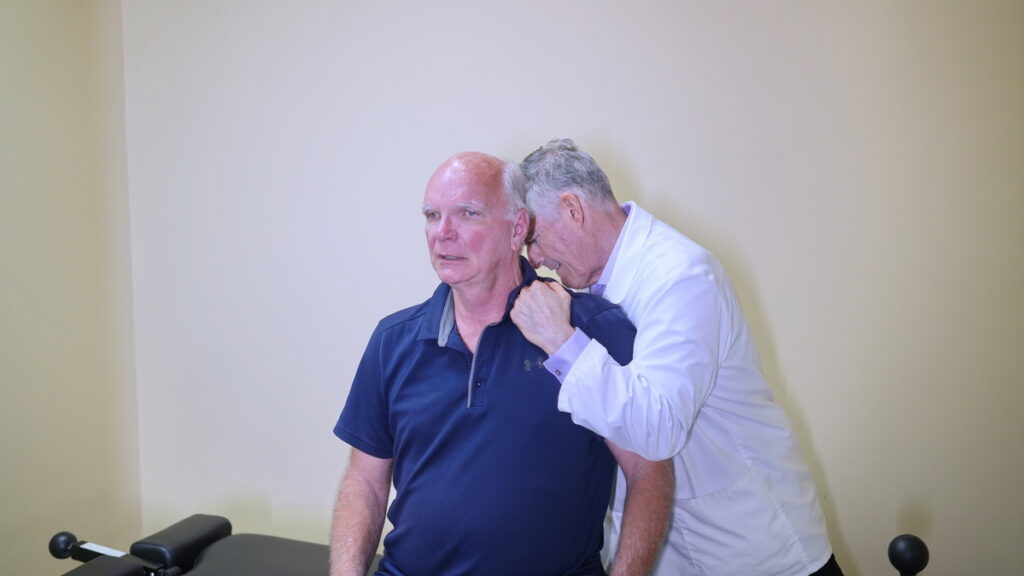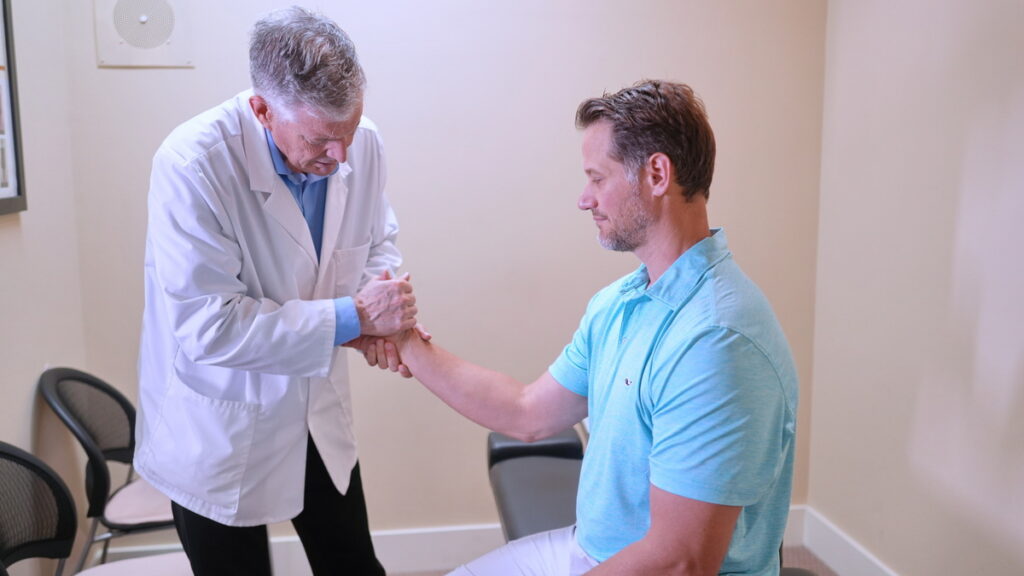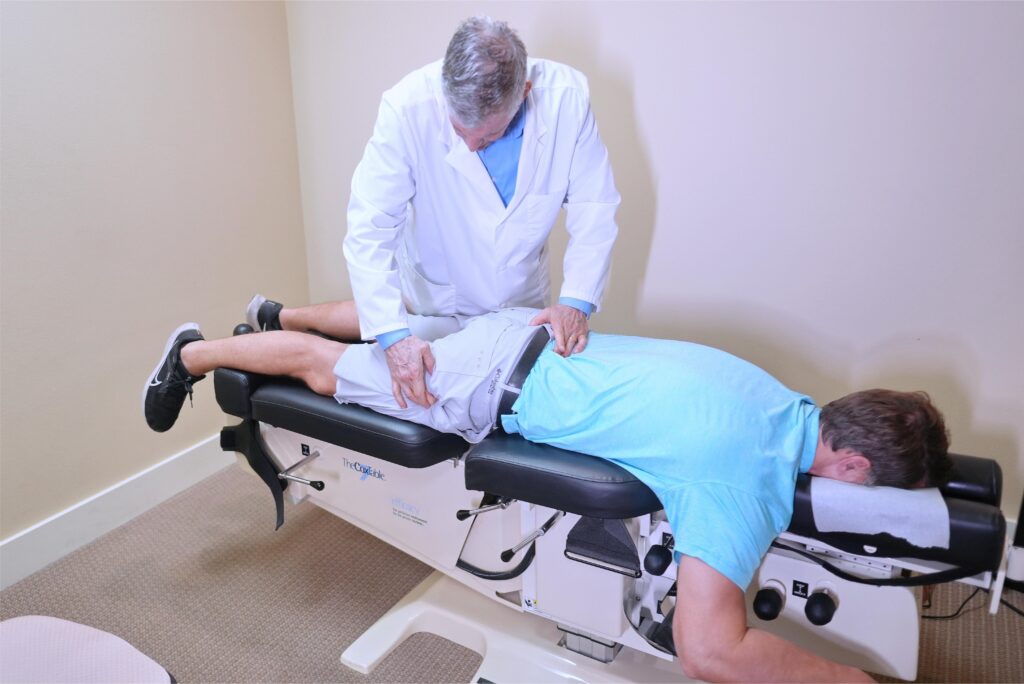

When you encounter a sports injury, understanding your condition is crucial for a successful recovery. It’s not just about taking a break; it’s about incorporating expert chiropractic techniques that help align your body and rebuild strength naturally. Chiropractic care focuses on restoring function through spinal adjustments, which can relieve pain and promote healing without the need for medications or invasive procedures.
In addition to chiropractic adjustments, engaging in effective rehabilitation exercises tailored to your injury can significantly enhance your recovery process. These exercises help strengthen the muscles around the injured area, improve flexibility, and restore mobility.
Don’t overlook the importance of nutrition in your healing journey. Eating a balanced diet rich in vitamins and minerals can support your body’s natural healing processes. Staying hydrated is essential too, as it helps reduce inflammation and keeps your joints lubricated.
Pain management is another critical aspect of recovery. Chiropractic care not only alleviates pain but also addresses the root cause of the issue, helping you return to the field more quickly and safely.
So, what are the key elements to accelerate your recovery? Prioritize chiropractic care as a natural, effective pain relief option. Incorporate gentle rehabilitation exercises, maintain a nutritious diet, and stay hydrated. By following these steps, you can enhance your healing journey and get back to doing what you love. Remember, your body has an incredible ability to heal, and with the right support, you can achieve optimal health and wellness.
Key Takeaways
- Start with a comprehensive assessment to pinpoint your injury and track your symptoms. This step is crucial for crafting an effective recovery plan tailored to you.
- Embrace chiropractic care as a key component of your healing journey. Spinal adjustments can help restore your body’s alignment, enhance its functionality, and support natural healing processes.
- Make rest and hydration top priorities. These elements are vital for tissue repair. Balance your activity levels to ensure you don’t overdo it and risk re-injury while you recover.
- Follow a structured rehabilitation program that begins with gentle range-of-motion exercises. As you progress, you can gradually incorporate strength and stability training to build resilience.
- Don’t underestimate the power of mindfulness and emotional support. These techniques can enhance your pain management efforts and foster a positive mindset as you navigate your recovery.
Remember, chiropractic care is your best ally in achieving optimal health and wellness. By focusing on natural healing and taking these steps, you’ll be well on your way to a fuller, healthier life.
Understanding Your Injury
When you experience a sports injury, it’s crucial to understand what’s happening in your body and how chiropractic care can help. Identifying the type of injury—be it a sprain, strain, fracture, or tear—can guide your recovery process. Each injury impacts your body in unique ways, and paying attention to symptoms like pain level, swelling, and range of motion can provide valuable insights into the severity of your condition.
Focusing on the specific area affected—whether it’s joints, muscles, or ligaments—can also inform your treatment approach. While it’s easy to dismiss minor symptoms, they can sometimes be signs of a more significant issue. That’s why seeking professional guidance from a chiropractor is a smart move if you’re unsure about your injury. Chiropractors specialize in understanding how your musculoskeletal system works and can provide natural, effective treatment options that promote healing without the need for surgeries or medications.
Chiropractic care emphasizes the body’s natural ability to heal itself. By aligning your spine and improving your overall body function, you can relieve pain and enhance your wellness. Here are some general tips to aid your recovery:
- Stay Active: Gentle movement helps maintain blood flow and flexibility. Your chiropractor can suggest safe exercises tailored to your injury.
- Ice and Rest: Apply ice to reduce inflammation and give your body time to heal. Rest is essential, but don’t forget to follow up with appropriate physical activity as advised by your chiropractor.
- Stay Hydrated: Keeping hydrated supports recovery and helps maintain optimal body function.
- Listen to Your Body: Pay attention to what your body is telling you. If something feels off, reach out to your chiropractor for an evaluation.
- Consider Chiropractic Adjustments: Regular adjustments can help restore balance and function to your body, aiding recovery from injuries and preventing future issues.
Understanding your injury empowers you to take the right steps towards healing. With the right support from chiropractic care, you can get back to enjoying your favorite activities naturally and effectively. Remember, knowledge is key in preventing further damage and achieving lasting wellness.
The Importance of Rest and Recovery
Rest and recovery are vital components of the healing journey, particularly after experiencing a sports injury. When you allow your body the necessary time to rest, you enable it to repair and regain strength. Neglecting this crucial phase can lead to ongoing discomfort and hinder your progress.
Let’s break down some of the key benefits of rest and recovery:
| Benefit | Description | Impact |
|---|---|---|
| Tissue Repair | Rest gives damaged muscles the chance to heal. | Promotes faster recovery |
| Injury Prevention | Sufficient rest lowers the risk of re-injury. | Supports long-term performance |
| Mental Clarity | Taking time off can enhance focus and motivation. | Boosts overall performance |
Listening to your body and recognizing its need for rest is essential for effective recovery. Balancing activity with rest is crucial for returning to your daily routine stronger and more resilient.
As a chiropractor, I encourage you to consider the benefits of chiropractic care during your recovery process. Chiropractic adjustments can help alleviate pain, improve mobility, and support your body’s natural healing capabilities. Here are a few general tips to keep in mind:
- Prioritize Sleep: Aim for at least 7-9 hours of good quality sleep each night to facilitate healing.
- Stay Hydrated: Drink plenty of water to help your body recover and maintain optimal function.
- Gentle Movements: Engage in light, gentle stretching or activities as recommended by your chiropractor to promote blood flow and healing.
- Mindfulness Practices: Incorporate relaxation techniques such as meditation or deep breathing to enhance mental clarity and reduce stress.
Don’t underestimate the power of taking a break and allowing your body the time it needs to heal. Chiropractic care can be a natural and effective way to support your recovery process and help you achieve optimal health.
Effective Rehabilitation Exercises
Incorporating effective rehabilitation exercises into your recovery routine is crucial for regaining strength and mobility after a sports injury, and chiropractic care can play a significant role in this process.
Start with gentle range-of-motion exercises to maintain flexibility in the affected area. These movements can also help align your spine and joints, promoting better overall function.
As you progress, focus on strengthening exercises that target the specific muscles weakened by your injury. For example, if you’ve injured your ankle, resistance band exercises can be particularly beneficial. These not only help build strength but also improve stability, which is essential for preventing future injuries.
Balance training is another important aspect of rehabilitation. Incorporating stability exercises can enhance your body’s resilience, helping you avoid setbacks.
Additionally, don’t overlook core-strengthening exercises, as a robust core supports your overall body mechanics and can alleviate strain on your spine.
Throughout your rehabilitation journey, it’s essential to listen to your body. If you experience pain during any exercise, it’s advisable to stop and consult with a chiropractic professional. They can provide personalized guidance to ensure you’re on the right track. Aim for consistency by dedicating time each day to your rehabilitation routine, as this will significantly contribute to your recovery.
As you start to feel better, gradually increase the intensity and complexity of your exercises. This will continue to challenge your body and promote healing. Remember, patience and persistence are key to a successful recovery.
The Role of Physical Therapy
After building a solid foundation with rehabilitation exercises, the next step on your path to recovery can be greatly enhanced with chiropractic care. This essential phase focuses on restoring strength, flexibility, and overall function while actively preventing future injuries. A knowledgeable chiropractor will customize a care plan tailored specifically to your needs, helping you regain mobility and confidence without the use of medications or invasive procedures.
Chiropractic care not only promotes healing but also teaches you about proper body mechanics, which is crucial in avoiding future setbacks. Regular chiropractic adjustments can significantly improve your recovery timeline and enhance your overall well-being.
| Benefits of Chiropractic Care | Description |
|---|---|
| Pain Relief | Natural techniques to alleviate discomfort |
| Enhanced Mobility | Restores movement and flexibility in your body |
| Strength Improvement | Targeted exercises to build strength |
| Injury Prevention | Education and strategies to avoid re-injury |
Fully engaging in your chiropractic sessions can help speed up your return to sports and daily activities, empowering you to move forward stronger than ever. Additionally, consider these general tips for optimal health:
- Stay Active: Incorporate regular physical activity into your routine, such as walking or stretching, to keep your body in motion.
- Maintain Good Posture: Be mindful of your posture, especially when sitting for long periods, to reduce strain on your spine.
- Listen to Your Body: Pay attention to any discomfort and address it early with your chiropractor to prevent complications.
- Stay Hydrated: Drink plenty of water to support overall health and keep your joints lubricated.
Nutrition for Optimal Healing
When you’re recovering from a sports injury, the right nutrition can significantly enhance your healing process. As a local chiropractor, I want to emphasize the importance of proper nutrition, hydration, and meal timing to support your recovery and overall wellness. Let’s dive into how these elements can work together to help you heal naturally, while also highlighting the benefits of chiropractic care.
First and foremost, focusing on essential nutrients is crucial. Foods rich in protein, healthy fats, vitamins, and minerals can help repair damaged tissues and reduce inflammation. Incorporating lean meats, fish, nuts, seeds, fruits, and vegetables into your diet can provide your body with the building blocks it needs for optimal healing. Remember, a well-balanced diet not only supports your recovery but also promotes overall health.
Staying hydrated is another key factor. Water plays a vital role in transporting nutrients to your cells and flushing out toxins. Aim to drink plenty of water throughout the day, especially during your recovery. Herbal teas and hydrating fruits can also contribute to your fluid intake.
Timing your meals effectively can further boost your recovery journey. Eating smaller, more frequent meals can help maintain energy levels and provide a steady supply of nutrients to your body. Consider having a nutritious snack after your chiropractic adjustments to support your healing process.
Lastly, I encourage you to explore chiropractic care as a natural and effective way to manage pain and support your recovery. Chiropractic adjustments help align your spine, improve mobility, and promote overall wellness, allowing your body to function at its best. By addressing the underlying issues causing your pain, chiropractic care can facilitate a smoother healing journey without the need for medications or invasive procedures.
Essential Nutrients for Recovery
To recover effectively from a sports injury, it’s essential to focus on the right nutrients that support healing and reduce inflammation, while also considering the benefits of chiropractic care for optimal recovery.
Incorporating protein-rich foods like lean meats, fish, and legumes is crucial for tissue repair. These foods provide the building blocks your body needs to heal.
Omega-3 fatty acids, found in fatty fish and flaxseeds, play a vital role in combating inflammation. Including these in your diet can help you feel better and support your overall wellness.
Antioxidants from colorful fruits and vegetables are also important, as they protect your cells from damage and promote healing.
Don’t overlook vitamins C and E! Vitamin C is particularly important for collagen formation, which is essential for recovery, while vitamin E supports your immune system.
Minerals like zinc and magnesium are also key players, as they aid in muscle recovery and overall healing.
While focusing on these nutrients, consider adding chiropractic care to your recovery plan. Chiropractic adjustments can help improve your body’s alignment, reduce pain, and enhance your overall function, allowing you to heal more effectively.
In summary, prioritize a balanced diet rich in these essential nutrients, and don’t forget the benefits of chiropractic care. This combination can significantly enhance your body’s ability to recover swiftly and get you back to doing what you love.
Remember to listen to your body, stay hydrated, and rest as needed during your recovery journey!
Hydration and Healing Process
When it comes to recovery from an injury, it’s easy to focus solely on the right nutrients, but don’t overlook the crucial role that hydration plays in the healing process. Staying well-hydrated is essential for transporting vital nutrients to your cells, flushing out toxins, and keeping your joints lubricated.
When you’re injured, your body requires extra fluids to support tissue repair and mitigate inflammation. Make it a point to drink plenty of water throughout the day, particularly during your rehabilitation exercises. Electrolyte-rich drinks can also be helpful, especially if you find yourself sweating more than usual.
Listen to your body; signs like fatigue or dizziness may indicate that you need to increase your fluid intake. Remember, proper hydration is key to maximizing your recovery and getting back to your activities stronger and faster. Prioritize hydration on your healing journey, and consider how chiropractic care can further support your recovery by improving your body’s alignment and function.
Incorporating chiropractic adjustments can enhance your overall wellness and facilitate better hydration by ensuring that your nervous system operates effectively. This holistic approach not only aids in pain relief but also promotes natural healing. As you focus on hydration and recovery, think about making chiropractic care a regular part of your health routine for optimal wellness.
Timing Meals for Recovery
Timing your meals effectively can significantly enhance your recovery from sports injuries, and as a chiropractor, I believe that proper nutrition works hand-in-hand with spinal health to promote natural healing.
By fueling your body at the right time, you can optimize your recovery and rebuild strength without relying on surgeries or medications.
Here are three key meal timing strategies to keep in mind:
1. Post-Workout Nutrition: After you finish exercising, try to eat a balanced meal within 30-60 minutes. This is crucial for replenishing your energy stores and supporting muscle repair.
Think of it as giving your body the tools it needs to heal naturally.
2. Frequent, Balanced Meals: Instead of large meals, aim for smaller, balanced meals every 3-4 hours. Include lean proteins, healthy fats, and complex carbs in your diet.
This approach ensures that your body receives a steady supply of nutrients, which is essential for healing and helps maintain optimal spinal health.
3. Hydration with Meals: Don’t forget about hydration! Drinking water during your meals can aid digestion and nutrient absorption, both of which are vital for recovery.
Staying hydrated supports your overall health, including your spine, which is crucial for maintaining mobility and reducing pain.
By incorporating these meal timing strategies into your routine, you can enhance your recovery process and support your overall wellness naturally.
Pain Management Techniques
Managing pain effectively is crucial for anyone recovering from a sports injury, and chiropractic care offers a natural and holistic approach to achieve this.
One of the first steps you can take is to use ice therapy. Applying ice to the injured area can help reduce swelling and provide numbing relief. Try to apply ice for 15-20 minutes every couple of hours during the initial days following your injury.
While over-the-counter pain medications like ibuprofen or acetaminophen are commonly used, relying on these can sometimes lead to unwanted side effects. Instead, consider focusing on the natural healing capabilities of your body. Chiropractic care is designed to support your recovery by aligning your spine and improving your overall body function, which can alleviate pain without the use of drugs.
Incorporating gentle stretching and mobility exercises can also be beneficial. These movements help release tension and improve blood flow, supporting your recovery. Under the guidance of a chiropractor, you can learn specific exercises tailored to your needs that promote healing and strengthen your body.
Topical treatments, such as creams or patches containing natural ingredients, can provide localized relief. However, the best approach to pain management is to address the root cause of your discomfort through chiropractic adjustments. These adjustments can help restore proper alignment and function, allowing your body to heal more effectively.
Don’t underestimate the power of rest; giving your body time to heal is essential. Alongside rest, consider incorporating mindfulness techniques such as deep breathing or meditation. These practices can enhance your pain management by helping you stay relaxed and focused on your recovery.
By engaging in these natural methods and seeking chiropractic care, you can take control of your pain and focus on your journey to optimal health.
Incorporating Cross-Training
After addressing pain management, it’s essential to explore how cross-training can significantly aid your recovery from a sports injury. Cross-training not only helps you maintain your fitness but also reduces stress on the injured area, aligning perfectly with the principles of chiropractic care.
Here are three effective ways to incorporate cross-training into your recovery routine while promoting natural healing:
- Low-Impact Activities: Consider engaging in swimming or cycling. These activities are excellent for maintaining your cardiovascular health without putting undue strain on your injury. They allow you to stay active while facilitating healing, which is critical in your recovery journey.
- Strength Training: Focus on strengthening the muscle groups that aren’t injured. This approach helps maintain balance in your body and supports overall stability, which can prevent future injuries. Remember, a strong body is less prone to injury, and chiropractic adjustments can enhance your strength training by ensuring your spine is properly aligned.
- Flexibility Exercises: Incorporate yoga or gentle stretching into your routine. These practices help improve your range of motion and promote healing by increasing blood flow to the injured area. Flexibility is key to a well-functioning body, and chiropractic care can further enhance your flexibility by aligning your spine and promoting proper posture.
Psychological Aspects of Recovery
As you navigate your recovery, it’s important to understand that the psychological aspects can significantly influence your overall progress. Building mental resilience is essential, and one effective way to do this is by prioritizing your spinal health through chiropractic care. When your spine is aligned and functioning optimally, you may find it easier to maintain a positive mindset and cope with the frustrations that can arise during recovery.
Incorporating visualization techniques can also be beneficial. Imagine yourself moving freely and comfortably, as this mental imagery can enhance your motivation and reinforce your commitment to recovery. Chiropractic adjustments can support this process by improving your body’s alignment and function, allowing you to engage more fully in your healing journey.
Dealing with frustration is a natural part of recovery, but it’s important to have coping strategies in place. Regular chiropractic visits can’t only alleviate physical pain but also provide a calming effect, helping to reduce stress and anxiety. By focusing on natural healing methods, such as chiropractic care, you can create a supportive environment for your body and mind.
Here are a few general tips to help you as you work towards your optimal health:
- Stay Consistent with Chiropractic Care: Regular adjustments can help keep your spine in alignment, reducing pain and improving overall wellness.
- Practice Mindfulness: Incorporate relaxation techniques such as deep breathing or meditation to help manage stress and keep your mind focused on healing.
- Stay Active: Gentle stretches and low-impact exercises can complement your chiropractic care, promoting mobility and strength.
- Nourish Your Body: Eating a well-balanced diet rich in whole foods can support your recovery and overall health.
- Set Realistic Goals: Celebrate small victories along the way to stay motivated and encouraged throughout your recovery journey.
Mental Resilience Training
While physical rehabilitation is crucial for recovering from sports injuries, mental resilience training is equally important in the healing journey. Strengthening your mental toughness can help you navigate the ups and downs of recovery. Here are three straightforward strategies to enhance your mental resilience, which can also complement your chiropractic care for a well-rounded approach to healing:
- Goal Setting: Break your recovery into small, achievable goals. Celebrate each small victory, whether it’s improving your range of motion or simply getting through a day with less pain. This can keep your motivation high and make the healing process feel more manageable.
- Positive Self-Talk: It’s easy to get caught up in negative thoughts, especially when you’re facing challenges. Instead, try replacing those thoughts with positive affirmations. Remind yourself of your strengths and the progress you’re making. A positive mindset can significantly impact your healing, and chiropractic care can help support this by improving your physical well-being.
- Mindfulness Practices: Incorporate mindfulness or meditation into your daily routine. These practices can enhance your focus and reduce anxiety, helping you stay present and calm during your recovery. Regular chiropractic adjustments can also aid in reducing stress and tension in your body, promoting a sense of overall well-being.
Visualization Techniques
Harnessing visualization techniques can be a powerful ally in your recovery from sports injuries, especially when paired with chiropractic care. By vividly imagining yourself performing your sport, you can strengthen the mental connection to your body and boost your confidence. Picture each movement in detail: the way your muscles feel, the rhythm of your breath, and the sensations of success. This mental practice not only helps with motivation but also promotes the neural pathways that can aid physical recovery.
As you engage in this visualization process, consider how chiropractic care can support your healing journey. Regular adjustments can help alleviate pain, improve mobility, and ensure your spine is properly aligned, which is crucial for optimal performance. Set aside a few minutes daily to practice visualization while also incorporating gentle stretches or adjustments from your chiropractor to enhance your body’s healing capabilities.
Imagine a healthy, capable version of yourself, and let these positive images guide you. Over time, this combination of mental visualization and chiropractic care can lead to improved physical performance and a more resilient mindset as you work through your recovery journey. Remember, taking care of your spine is essential for your overall health and wellness, so make chiropractic care a key part of your recovery plan.
Coping With Frustration
Coping with frustration is a common experience when recovering from a sports injury, particularly when it feels like progress is slow or setbacks arise. Managing these feelings is crucial to staying focused on your path to recovery, and chiropractic care can play a vital role in this process.
Here are some strategies, along with the benefits of chiropractic care, to help you cope effectively:
1. Set Realistic Goals: Break your recovery into smaller, manageable milestones. By setting achievable goals, you can track your progress and celebrate each success, no matter how small. Chiropractic adjustments can help improve your range of motion and reduce pain, making it easier to achieve these goals.
2. Practice Mindfulness: Taking time for mindfulness or meditation can be incredibly helpful. These practices ground you in the present moment and can alleviate anxiety about your recovery.
Incorporating deep breathing or relaxation techniques can enhance your healing process, especially when combined with chiropractic care that focuses on aligning your spine and promoting overall wellness.
3. Seek Support: Connecting with friends, family, or a therapist can provide valuable emotional support. Sharing your feelings about recovery can offer relief and a fresh perspective.
Additionally, working with a chiropractor not only addresses physical pain but can also be a source of encouragement and motivation on your healing journey.
Preventing Future Injuries
Preventing Future Injuries with Chiropractic Care
Focusing on proper techniques and body mechanics is a powerful way to reduce your risk of future injuries. Whether you’re running, lifting weights, or playing sports, pay attention to your posture and alignment. Good posture not only helps your body function efficiently but also minimizes unnecessary strain on your muscles and joints.
One of the best ways to support your body is through strength training. Building muscle not only enhances your physical capabilities but also stabilizes your joints, making you less prone to injuries. Additionally, incorporating flexibility and mobility exercises into your routine can help maintain a full range of motion and prevent stiffness.
Rest and recovery are just as crucial. Your body needs time to heal and adapt, so it’s important to listen to its signals. If you feel pain, take a step back and assess your movements. This is where chiropractic care can be invaluable. A chiropractor can help identify any misalignments or issues in your body that may be contributing to pain, ensuring that you’re on the right path to recovery.
Moreover, consulting a chiropractor for personalized guidance can be extremely beneficial. They can refine your movements and techniques, helping you practice safely and effectively. With chiropractic care, you can achieve optimal health and wellness, keeping you injury-free and performing at your best.