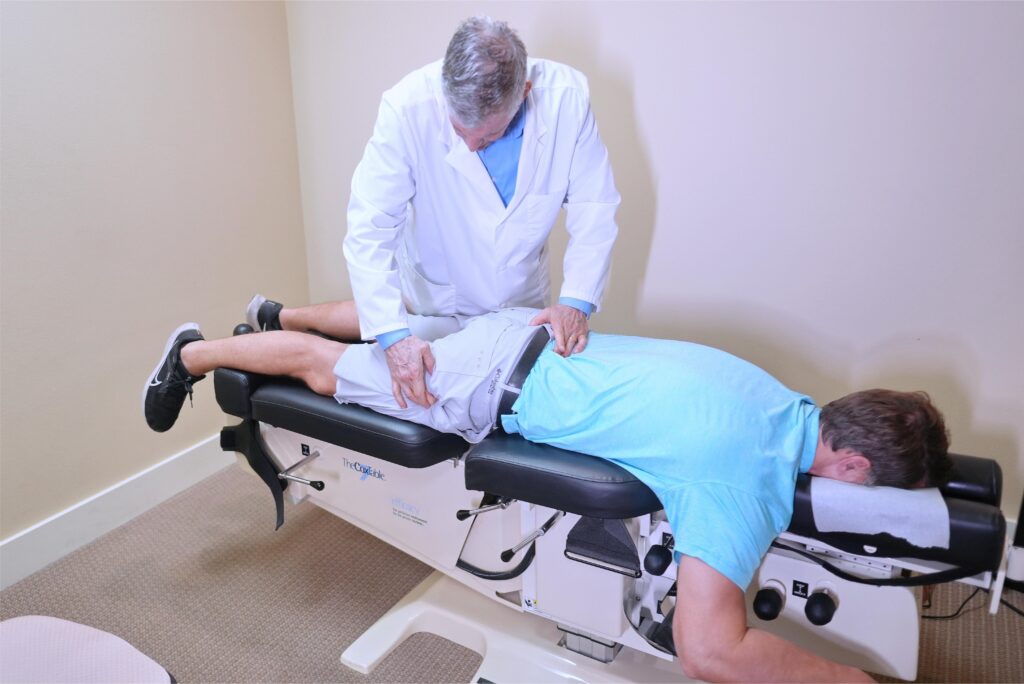

Improving your flexibility is about more than just stretching; it requires a deeper understanding of how your body moves and functions. As a chiropractor, I believe that chiropractic adjustments can be a game-changer in this journey. By realigning your spine and joints, these adjustments help reduce tension in your body and enhance your overall mobility.
When your spine is properly aligned, it allows your muscles to work more efficiently, which can lead to improved flexibility. This is because proper alignment reduces strain on your muscles and joints, enabling them to move freely and easily.
Curious about how chiropractic adjustments can work alongside other practices to boost your flexibility? Here are some interconnected strategies that can lead to lasting improvements:
- Stay Active: Incorporate regular physical activity into your routine. Activities like yoga or Pilates can complement chiropractic care by promoting flexibility and core strength.
- Warm Up Properly: Always take time to warm up before engaging in physical activities. Gentle movements and dynamic stretches help prepare your muscles and joints for more intense exercise.
- Stay Hydrated: Drinking enough water is essential for maintaining muscle elasticity and overall joint health. Hydration helps keep your tissues supple and ready to move.
- Listen to Your Body: Pay attention to how your body feels during and after physical activity. If you notice tightness or discomfort, consider scheduling a chiropractic adjustment to address any misalignments that may be contributing to your issues.
- Practice Mindful Stretching: Focus on stretching slowly and gently, holding each stretch for 15-30 seconds. This can help improve your flexibility over time without risking injury.
By integrating these strategies with regular chiropractic care, you can foster greater flexibility and overall wellness. Remember, chiropractic adjustments not only help with pain relief but also support your body’s natural ability to heal and function optimally. Prioritize your health and embrace a more flexible lifestyle with chiropractic as your foundation!
Key Takeaways
- Chiropractic adjustments play a vital role in enhancing spinal alignment, leading to improved flexibility and a greater range of motion in your body. When your spine is in alignment, your entire body can move more freely and comfortably.
- By relieving muscle tension, chiropractic adjustments promote relaxation and help you recover more effectively from physical activities. This relaxation can significantly boost your flexibility, allowing you to move with ease.
- Regular chiropractic care is essential for addressing muscle imbalances that can arise from poor posture. By correcting these imbalances, we can reduce tightness in your muscles, which ultimately improves your overall flexibility.
- To get the most out of your flexibility gains, consider combining chiropractic adjustments with simple stretching routines. This combination not only enhances flexibility but also supports long-term spinal health, helping you maintain a strong and resilient body.
- Consistent chiropractic adjustments can lead to better mobility, making everyday tasks easier and reducing your risk of injuries caused by tight muscles. Remember, a well-aligned spine is key to a healthier, more active lifestyle.
As a local chiropractor, I encourage you to explore the benefits of chiropractic care for optimal health and wellness. It’s a natural way to relieve pain, enhance your flexibility, and support your body’s ability to heal itself. Simple lifestyle changes, like incorporating regular adjustments and gentle stretching, can make a big difference in your overall well-being.
Understanding Flexibility and Its Importance
Understanding flexibility is crucial for maintaining optimal health, especially when considering its impact on your physical well-being and daily activities. Flexibility relates to how well your muscles and joints can move through their full range of motion. When you have good flexibility, everyday tasks, like bending down to tie your shoes or reaching for items on a high shelf, become much easier. Moreover, improved flexibility can boost your athletic performance, helping you move more efficiently and reducing your risk of injury.
As a chiropractor, I want to emphasize that flexibility isn’t just about being able to touch your toes; it also contributes to better posture and spinal alignment. This can alleviate discomfort and muscle tension, making you feel more comfortable throughout your day. Incorporating simple stretching routines into your daily life can enhance your physical capabilities and promote overall wellness.
Here are a few tips to improve your flexibility and maintain a healthy spine:
- Daily Stretching: Set aside just a few minutes each day to stretch major muscle groups. Focus on areas that tend to be tight, such as your back, hips, and shoulders.
- Stay Hydrated: Drinking plenty of water helps keep your muscles hydrated and can enhance your overall flexibility.
- Warm Up Properly: Before any physical activity, take the time to warm up your muscles. This can involve light aerobic activity followed by dynamic stretches.
- Listen to Your Body: Pay attention to how your body feels. If you experience pain during stretching, ease back. It’s important to stretch gently and avoid pushing yourself too hard.
- Consider Chiropractic Care: Regular chiropractic adjustments can help improve your spinal health and overall flexibility. A chiropractor can work with you to develop a personalized plan that fits your needs and helps you achieve optimal health.
Common Causes of Tight Muscles
If you lead a sedentary lifestyle, you may often experience tight muscles. This discomfort can be exacerbated by poor posture, which can make it challenging to maintain flexibility. Understanding these common causes is crucial for improving your muscle health and overall well-being.
Chiropractic care offers a natural and effective approach to alleviating muscle tightness and promoting better posture. Regular chiropractic adjustments can help restore proper spinal alignment, which is essential for optimal muscle function. When your spine is aligned, it allows your muscles to relax and operate more efficiently, reducing tension and discomfort.
In addition to chiropractic care, here are some simple tips you can incorporate into your daily routine to keep your muscles feeling loose and relaxed:
- Stay Active: Aim to incorporate regular physical activity into your day, even if it’s just a short walk. Movement helps keep your muscles engaged and less prone to tightness.
- Practice Good Posture: Be mindful of your posture, especially if you sit for long periods. Try to sit up straight with your shoulders back and take breaks to stretch every hour.
- Stretch Regularly: Incorporate gentle stretching exercises into your routine to improve flexibility and relieve muscle tension.
- Stay Hydrated: Drink plenty of water throughout the day, as hydration plays a key role in muscle function and recovery.
- Consider Chiropractic Adjustments: Regular visits to a chiropractor can help you maintain spinal health, which in turn supports muscle relaxation and overall wellness.
Sedentary Lifestyle Impact
Many people often overlook how a sedentary lifestyle can negatively affect their muscle health and overall well-being. When you find yourself sitting for long periods, your muscles can become tight and stiff. This lack of movement often leads to imbalances that make daily activities more difficult. For instance, prolonged sitting can tighten your hip flexors and weaken your glutes, which may cause discomfort and limit your range of motion. You might notice that simple tasks like bending or stretching become a struggle, leaving you feeling restricted in your movements.
Moreover, sitting for extended periods can reduce blood circulation, further contributing to that muscle tightness. Fortunately, there are simple steps you can take to combat these effects. Incorporating regular movement into your day, even if it’s just a few minutes of stretching or walking, can significantly improve your flexibility and overall muscle function.
As a chiropractor, I emphasize the importance of maintaining a healthy spine and body through natural movement. Chiropractic care can help address muscle imbalances and enhance your overall health. Regular adjustments can improve your mobility, relieve discomfort, and support your body’s natural healing processes.
Poor Posture Consequences
While you mightn’t realize it, poor posture can trigger a series of problems, especially tight muscles. When you slouch or hunch over, your body tries to compensate, which can lead to some muscles becoming overworked while others weaken. This imbalance often results in tightness in areas like the neck, shoulders, and lower back. You may find yourself feeling discomfort after sitting for extended periods or standing incorrectly.
Poor posture doesn’t just lead to discomfort; it can also limit your range of motion, making everyday activities feel more challenging. But don’t worry—there are steps you can take to improve your posture and overall well-being.
First, it’s essential to be mindful of your posture throughout the day. Simple adjustments, like sitting up straight and keeping your shoulders back, can make a significant difference. Incorporating stretches and exercises that target your core and back is also beneficial. These activities help maintain proper alignment and reduce muscle tightness.
As a chiropractor, I encourage you to consider chiropractic care as an effective way to address posture-related issues. Regular chiropractic adjustments can enhance spinal alignment, alleviate pain, and promote natural healing in your body.
The Role of Stretching in Flexibility
Stretching is a key component in enhancing your flexibility and improving your overall physical performance, and as a chiropractor, I can’t stress enough how beneficial it’s for your body.
When you incorporate regular stretching into your daily routine, you’ll not only enjoy a greater range of motion, but you’ll also experience reduced muscle tension and discomfort.
Let’s dive into some effective stretching techniques that can help you achieve these benefits while also complementing your chiropractic care.
- Dynamic Stretching: This involves moving parts of your body through a full range of motion to warm up your muscles. It’s great to do before physical activities to prepare your body. Simple leg swings or arm circles can be great dynamic stretches.
- Static Stretching: This is when you hold a stretch for a period of time, usually 15-30 seconds. It’s best done after your workouts when your muscles are warm. Think of stretches like reaching for your toes or holding your arm across your chest.
- Foam Rolling: While not a traditional stretch, foam rolling helps alleviate muscle tightness and improve blood flow. It’s a fantastic way to prepare your body for stretching or as part of your recovery after a chiropractic adjustment.
- Breathing Techniques: Pairing your stretching with deep breathing can enhance relaxation and improve your stretching effectiveness. Inhale deeply as you stretch, and exhale as you release the stretch.
Remember, stretching should feel good, not painful. If you find a stretch uncomfortable, ease back and listen to your body.
Combining these stretching techniques with regular chiropractic care can help you achieve optimal health and wellness. Your chiropractor can provide personalized advice on stretches that align with your treatment plan, ensuring you’re on the path to a pain-free, more flexible lifestyle.
Embrace the power of stretching, and don’t forget to make regular visits to your chiropractor for the best results in maintaining your health and well-being!
Benefits of Regular Stretching
Incorporating regular stretching into your daily routine can significantly improve your flexibility, which is essential for maintaining a healthy spine and overall wellness. Enhanced flexibility not only increases your range of motion but also helps to lower the risk of injuries, especially when combined with chiropractic care.
By keeping your muscles loose and relaxed, stretching can alleviate tension and promote recovery after physical activities, making it easier for your body to heal and maintain balance.
Stretching is also beneficial for blood circulation, which plays a crucial role in muscle recovery and reducing soreness. Improved circulation means that your muscles receive the oxygen and nutrients they need to function optimally, further supporting your spinal health.
Additionally, consistent stretching can elevate your athletic performance, allowing for smoother movements during physical activities. As you enhance your flexibility, everyday tasks such as bending or reaching become more manageable, reducing strain on your back and helping to prevent discomfort.
To maximize the benefits of stretching, consider incorporating the following tips into your routine:
- Warm Up First: Always warm up your body before stretching to prevent injury. A few minutes of light cardio can do the trick.
- Breathe Deeply: Focus on your breath while stretching. This not only helps you relax but also allows your muscles to release tension more effectively.
- Listen to Your Body: Move gently into each stretch, and never push yourself to the point of pain. Stretching should feel good and shouldn’t cause discomfort.
- Stay Consistent: Aim to stretch at least a few times a week. Consistency is key to improving flexibility and supporting your spine’s health.
- Incorporate Chiropractic Care: Regular visits to your chiropractor can complement your stretching routine by ensuring your spine is aligned and functioning optimally, which enhances the benefits of stretching.
Types of Stretching Techniques
As a chiropractor, I believe that exploring various stretching techniques is an important part of maintaining flexibility and promoting overall body function. Stretching not only enhances your physical well-being but also complements chiropractic care, helping you achieve optimal health naturally. Here are some effective stretching methods you can easily incorporate into your routine.
- Static Stretching: This involves holding a stretch in a comfortable position for 15-60 seconds. It’s perfect for post-workout recovery and can help ease tension in the muscles you’ve just worked. Consider adding static stretches to your routine to promote relaxation and flexibility, which can enhance your chiropractic care results.
- Dynamic Stretching: This technique includes movement and is ideal for warming up before engaging in physical activity. Incorporating dynamic stretches into your warm-up routine can prepare your body for exercise, helping to prevent injuries and support your spine’s health.
- PNF Stretching (Proprioceptive Neuromuscular Facilitation): This advanced method combines stretching and contracting your muscles. While it can be a bit more complex, it’s effective for achieving deeper stretches. If you have a partner, you can work together to enhance your flexibility, but remember to listen to your body and avoid any discomfort.
- Active Stretching: In this technique, you hold a position using your own strength. It’s a great way to build strength while improving flexibility. Active stretching can be particularly beneficial for those looking to support their chiropractic adjustments and overall spinal health.
- Passive Stretching: This method relies on an external force, such as a partner or a prop, to help you stretch. While it can be beneficial, ensure that the external force is gentle and doesn’t cause pain.
By incorporating these stretching techniques into your daily routine, you can enhance your flexibility, reduce the risk of injury, and complement your chiropractic care. Remember to listen to your body, stretch regularly, and consult with your chiropractor to tailor a routine that best supports your individual health and wellness needs.
Embrace these simple yet effective methods to nurture your body naturally and promote a healthier lifestyle!
Dynamic vs. Static Stretching: What’s the Difference?
While both dynamic and static stretching are important for enhancing flexibility, they cater to different needs and are best used at different times in your fitness routine. As a chiropractor, I emphasize the role of stretching as part of a holistic approach to health and wellness, particularly for maintaining a healthy spine and preventing injury.
Dynamic stretching involves controlled movements that prepare your muscles for activity. Activities like leg swings or arm circles help increase blood flow and improve your range of motion before a workout.
Incorporating dynamic stretches into your warm-up routine not only enhances performance but also reduces the risk of injury, which is crucial for maintaining a healthy lifestyle and a pain-free back.
On the other hand, static stretching involves holding a stretch for a period of time, usually between 15 to 60 seconds. This type of stretching is best suited for after your workout when your muscles are warm and more flexible.
Static stretches can help improve overall flexibility and promote relaxation, making them ideal for cooldowns. This is especially important for people who may experience tension or discomfort in their spine.
By understanding the differences between these two types of stretching, you can strategically incorporate both into your routine to maximize your flexibility gains and improve your overall fitness. Remember, maintaining a flexible body supports spinal health, which is essential for overall well-being.
For anyone looking to enhance their health naturally, consider regular chiropractic care as part of your wellness journey. It can help align your spine, enhance your body’s ability to heal itself, and support your overall flexibility and mobility.
Incorporating Flexibility Exercises Into Your Routine
Incorporating flexibility exercises into your daily routine is a fantastic way to enhance your overall health and well-being, and it can complement the benefits of chiropractic care. By setting aside just a few minutes each day for stretching, you can improve your flexibility, reduce tension, and support your spine’s health.
Start with dynamic stretches before your workouts to warm up your muscles and prepare your body for movement. This can help prevent injuries and create a more effective workout. After your exercise, focus on static stretching to cool down, allowing your muscles to relax and recover.
You can easily weave flexibility exercises into your existing fitness routine. For example, if you’re engaging in weightlifting, remember to follow up with stretches targeting the muscle groups you’ve worked on.
Additionally, consider dedicating one day each week specifically to flexibility training. This could be a great time to listen to your body and give your spine the care it deserves.
Make sure to include a variety of stretches that target major muscle groups, holding each stretch for at least 15-30 seconds. Pay attention to how your body feels; if a stretch seems too intense, it’s perfectly okay to ease off a bit. Consistency is essential—track your progress and gradually work on increasing your range of motion.
Remember, flexibility exercises not only improve your physical performance but also contribute to a healthier spine, which is vital for overall health. With dedication and commitment, you’ll likely notice improvements in your flexibility, reduced pain, and enhanced well-being.
And if you ever feel discomfort or tension, don’t hesitate to seek the guidance of a chiropractor, who can help you achieve optimal health through natural healing and spinal education.
The Benefits of Yoga for Flexibility
Yoga can significantly improve your range of motion, allowing you to move more freely throughout your day. As a chiropractor, I often see how enhanced flexibility can contribute to overall spinal health and wellness. By practicing specific yoga poses, you can also learn important injury prevention techniques that protect your body during physical activities.
Incorporating yoga into your routine can lead to noticeable improvements in your flexibility, which in turn can help reduce discomfort and enhance your body’s natural healing process. Here are a few tips to get started:
- Start Slow: If you’re new to yoga, begin with simple poses and gradually increase the difficulty as your body adapts.
- Listen to Your Body: Pay attention to how your body feels during each pose. If something doesn’t feel right, ease out of it.
- Focus on Breathing: Deep, controlled breathing can help you relax and improve your flexibility. It also promotes better spinal alignment.
- Consistency is Key: Try to practice yoga regularly, even if it’s just for a few minutes each day. Consistent practice can lead to better results.
- Supplement with Chiropractic Care: Regular chiropractic adjustments can complement your yoga practice by ensuring your spine is aligned and your body is functioning optimally.
Enhanced Range of Motion
As you explore the benefits of chiropractic care, you’ll quickly realize how it can significantly enhance your range of motion. Regular chiropractic adjustments help align your spine, which is crucial for allowing your muscles and joints to move freely. This alignment can break down physical barriers that may be limiting your mobility.
By incorporating chiropractic adjustments into your wellness routine, you not only increase flexibility but also empower your body to perform deeper movements in both your fitness activities and everyday life. Each adjustment works to relieve tension in tight muscles, promoting a greater sense of freedom in your body. As you continue with this natural healing approach, you may observe improvements in your posture and overall alignment, which further contributes to your mobility.
Embracing chiropractic care fosters a deeper connection to your body, enabling you to move with ease and grace. This not only enhances your physical performance but also supports your overall health and well-being.
To enhance your range of motion at home, consider incorporating gentle stretches into your daily routine, staying hydrated, and maintaining a balanced diet. Remember, regular chiropractic visits can be the cornerstone of your journey toward optimal health and natural wellness, empowering you to live pain-free and move more freely.
Injury Prevention Techniques
When you incorporate yoga into your routine, you’re not just enhancing flexibility; you’re also embracing effective techniques for preventing injuries. While chiropractic care is a fantastic way to achieve optimal health and relieve pain naturally, complementing it with yoga can further strengthen your body and improve your resilience against injuries.
Here are some key benefits of yoga that work hand-in-hand with chiropractic care:
- Increased muscle elasticity: By practicing yoga, you enhance your flexibility, which helps in reducing the risk of strains and sprains. This is especially important for keeping your muscles and joints healthy and functioning well.
- Improved balance: Engaging in yoga practices can help improve your balance, which is crucial for preventing falls and related injuries. This is particularly beneficial as we age or if you’re recovering from an injury.
- Strengthened core: A strong core is essential for supporting your spine. Yoga helps build core strength, which can reduce the likelihood of back injuries. This is particularly important for maintaining good posture and spinal alignment.
- Enhanced body awareness: Yoga increases your understanding of your body’s movements, allowing you to recognize and avoid harmful positions. This awareness can be immensely beneficial in preventing injuries during everyday activities.
These techniques not only keep you safe during physical activities but also promote long-term health and wellness. Remember, while yoga is a great addition to your health routine, regular chiropractic care is essential for maintaining spinal health and overall wellness. So, roll out your mat and enjoy the journey toward injury prevention, knowing that chiropractic care is always here to support you on your path to optimal health!
Foam Rolling: A Tool for Muscle Release
Foam rolling is a fantastic tool that can help you release tight muscles and enhance your overall flexibility. When you apply pressure to specific areas of your body, you can effectively break up adhesions and knots in your muscle fibers. This process boosts blood flow, which is crucial for recovery and improved mobility.
As a chiropractor, I often emphasize the importance of integrating muscle care into your wellness routine. Foam rolling can complement chiropractic adjustments beautifully, providing an additional layer of muscle relief and support for your spine. Here’s a simple guide to help you foam roll effectively:
| Muscle Group | Technique | Duration |
|---|---|---|
| Quads | Roll front-to-back | 1-2 minutes |
| Hamstrings | Roll side-to-side | 1-2 minutes |
| Back | Roll up and down | 1-2 minutes |
| IT Band | Roll from hip to knee | 1-2 minutes |
Incorporating foam rolling into your routine can significantly reduce muscle soreness and enhance your flexibility. It’s a great way to support your body’s natural healing processes and maintain optimal health.
Mindfulness and Breathing Techniques for Relaxation
While many people often concentrate on physical exercises to improve flexibility, incorporating mindfulness and breathing techniques into your routine can significantly enhance relaxation and overall well-being. As a chiropractor, I believe that these practices not only support your flexibility journey but also foster a deeper connection between your body and mind, which is essential for optimal health.
Here are some simple and effective mindfulness and breathing techniques you can try:
- Deep Breathing: Take a moment to inhale deeply through your nose, allowing your lungs to fill completely. Then, exhale slowly through your mouth. Repeat this a few times to help calm your mind and body.
- Body Scan: With your eyes closed, mentally scan your body from head to toe. Notice any areas of tension and consciously relax them. This practice can help you become more aware of how stress affects your physical health.
- Mindful Meditation: Dedicate a few minutes to focus solely on your breath. As thoughts come and go, gently let them drift away and return your attention to your breathing. This can help clear your mind and reduce stress.
- Guided Imagery: Picture a peaceful scene in your mind, such as a serene beach or a quiet forest. While you visualize this, continue to breathe deeply, allowing your body to sink into relaxation.
Incorporating these mindfulness and breathing techniques into your daily routine can help you feel more centered and enhance your overall wellness. Remember, chiropractic care is a fantastic way to support your journey to optimal health.
Tips for Staying Consistent With Flexibility Training
Staying consistent with flexibility training can be a bit challenging, but integrating it into your routine can lead to significant benefits for your overall health and wellness. As a chiropractor, I can attest that maintaining flexibility not only enhances your mobility but also plays a crucial role in spinal health and can alleviate discomfort.
To get started, schedule specific times each week for your flexibility sessions, just as you’d for any exercise or chiropractic appointment. Consistency is vital for seeing results, so make it a priority to stick to your plan.
A great way to incorporate flexibility exercises is during your warm-up or cool-down routines. This not only makes them feel more natural but also prepares your body for movement and helps prevent injury. You might also find it helpful to set reminders on your phone or use fitness apps to keep yourself accountable.
To keep things interesting and prevent monotony, mix up your routine with various exercises. You could explore yoga, dynamic stretches, or targeted stretches that align with your daily activities. Each of these options can support your spine and improve your overall flexibility.
Additionally, consider finding a workout buddy. Sharing your goals and progress with someone else can boost your motivation and commitment. Remember, by committing to these strategies, you’re not just enhancing your flexibility – you’re also supporting your spinal health and overall well-being.
If you’re dealing with pain or discomfort, don’t hesitate to reach out for chiropractic care. A chiropractor can help assess your specific needs and guide you on the best practices for maintaining flexibility and achieving optimal health naturally.
Tracking Progress and Setting Realistic Goals
To effectively enhance your flexibility, tracking your progress and setting realistic goals is crucial. Without a clear plan, it’s easy to feel discouraged or lose motivation. Start by regularly evaluating your flexibility levels through simple stretches or yoga poses. This practice not only helps you identify areas needing improvement but also allows you to celebrate your achievements along the way.
Setting SMART goals—Specific, Measurable, Achievable, Relevant, and Time-bound—can guide your journey to better flexibility while also supporting your overall health. Here are some tips to help you on this path:
- Document Your Flexibility: Keep a journal or use an app to note down your stretches and improvements. This will help you visualize your progress over time.
- Break It Down: Set short-term goals that lead you to your long-term objectives. For instance, aim to touch your toes or hold a specific stretch longer.
- Adjust as Needed: If a goal feels too ambitious, don’t hesitate to modify it. Flexibility is a journey, and it’s important to be patient with yourself.
- Stay Consistent: Regularly practicing your flexibility routine is key to seeing continual progress. Incorporating gentle stretches into your daily routine can be very beneficial.
As you work on your flexibility, remember that chiropractic care can play a vital role in supporting your health and wellness journey. Regular chiropractic adjustments can help relieve tension in your muscles and joints, making it easier for you to achieve your flexibility goals. By prioritizing chiropractic care, you’re taking a natural step toward optimal health and well-being.