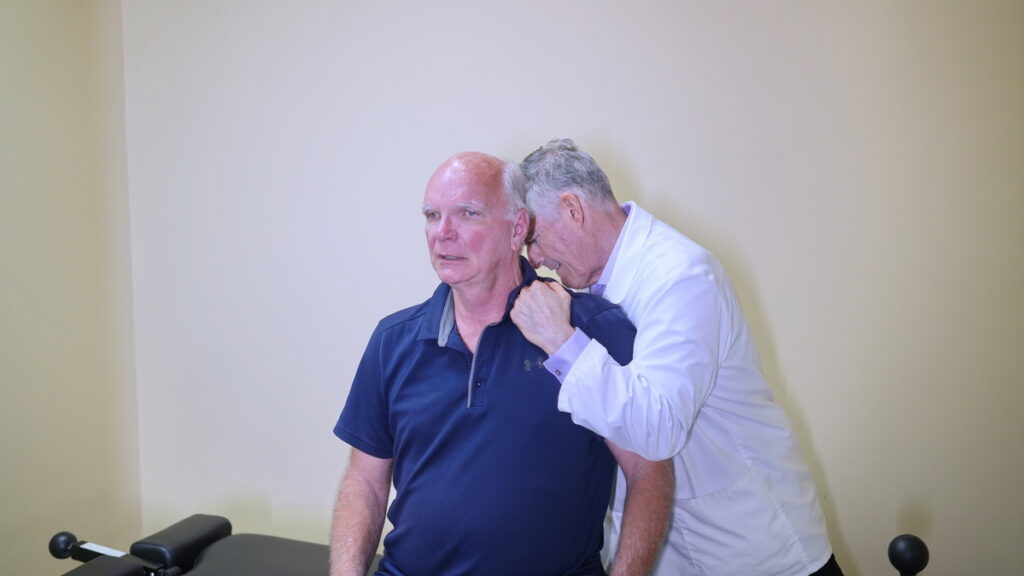

You were going about your day — maybe walking on the beach, picking something up off the floor, or just getting out of bed — and suddenly your hip is screaming at you. Sudden hip pain can be alarming, especially when you have no memory of an injury. The good news is that most cases of unexpected hip pain have identifiable causes, and many respond very well to conservative, non-invasive care. At Douglass Chiropractic in Destin, FL, Dr. Timothy Douglass works with patients across the Emerald Coast who experience exactly this kind of unexplained, seemingly out-of-nowhere hip discomfort. Understanding what might be behind your pain is the first step toward getting your life back on track.
What Does “Sudden Hip Pain” Actually Mean?
Sudden hip pain refers to discomfort in or around the hip joint that appears without a clear traumatic event like a fall or direct impact. It can range from a dull ache deep in the joint to a sharp, stabbing sensation along the outer hip or groin. In many cases, the pain wasn’t truly “sudden” — it had been quietly building for some time until the body reached a tipping point. Understanding this distinction helps us get to the real root of the problem.
Common Causes of Sudden Hip Pain
Here in Destin, many patients who come to see Dr. Timothy Douglass for hip pain are surprised to learn that there are quite a few possible explanations — and that not all of them originate in the hip itself. Let’s walk through the most frequently seen culprits.
Bursitis
One of the most common reasons for sudden outer hip pain is bursitis. Bursae are small, fluid-filled sacs that cushion the areas where muscles, tendons, and bones slide against each other. When a bursa becomes irritated or inflamed — often from repetitive motion, prolonged sitting, or a change in activity level — it can produce a sharp, burning ache on the outside of the hip that sometimes radiates down the thigh. Many of our patients notice this pain worsening when they climb stairs, lie on the affected side, or stand up from a chair.
Hip Flexor Strain
The hip flexors are a group of muscles that run along the front of your hip and help lift your knee toward your chest. These muscles are under constant demand — they keep you upright when you sit, help you walk, and absorb force when you move. A sudden overstretch or overload, even from something as simple as stepping off a curb the wrong way, can strain these muscles and produce immediate pain in the front of the hip or groin area. This is especially common among active individuals and those who sit for long hours at a desk.
Sacroiliac Joint Dysfunction
The sacroiliac (SI) joint connects the lower spine to the pelvis, and when it becomes misaligned or irritated, the resulting pain is often felt in the hip, buttock, or lower back. Many people don’t realize that what they’re calling “hip pain” is actually coming from the SI joint. This type of dysfunction can appear seemingly out of nowhere after something as simple as bending to pick up a laundry basket or twisting to reach across a desk.
Osteoarthritis of the Hip
While osteoarthritis is a gradual, degenerative condition, many people don’t notice it until it reaches a point of flare-up — which can feel very sudden. The cartilage inside the hip joint wears down over time, reducing the cushioning between bones. During a flare, you might experience a deep, aching pain in the groin or inner thigh, stiffness after periods of rest, and reduced range of motion. This is increasingly common as we age, but it is not an inevitable death sentence for your mobility.
Piriformis Syndrome
The piriformis is a small but powerful muscle located deep in the buttock. It sits directly over the sciatic nerve, and when it becomes tight or spasms, it can compress that nerve — producing pain, tingling, or numbness that radiates from the hip down through the buttock and into the leg. This condition is often mistaken for a lumbar disc problem and can be triggered by prolonged sitting, a sudden change in activity, or even sleeping in an awkward position.
Labral Tear
The labrum is a ring of cartilage that lines the rim of the hip socket and helps keep the joint stable. A labral tear can cause a deep, sometimes locking or clicking sensation inside the hip, along with pain in the groin. These tears don’t always happen from a dramatic injury — they can develop from repetitive stress or structural issues in the way the hip moves over time.
The Hip Joint: Why It’s So Easy to Irritate
The hip is a ball-and-socket joint — one of the most mobile joints in the entire body. That mobility is a tremendous asset, but it also means there are a lot of moving parts that need to work in harmony. Muscles, tendons, ligaments, bursae, and the joint capsule itself all need to be properly aligned and balanced for the hip to function without pain.
What makes sudden hip pain particularly tricky is that the hip doesn’t operate in isolation. It is biomechanically connected to the lower back, pelvis, knee, and even the ankle. When something goes wrong in one of those areas — say, a misaligned pelvis or a weak core — the hip can become the “sacrificial lamb” that absorbs the extra stress. This is why Dr. Timothy Douglass always evaluates the entire kinetic chain, not just the area where pain is felt.
Here on the Emerald Coast, many patients live very active lifestyles — paddleboarding, running along the beach, cycling, and playing golf. These activities all place significant and repetitive demands on the hip joint. Even something as benign-sounding as walking barefoot in the sand regularly can subtly alter your gait and load the hip in ways it isn’t accustomed to.
How Chiropractic Care Addresses Hip Pain
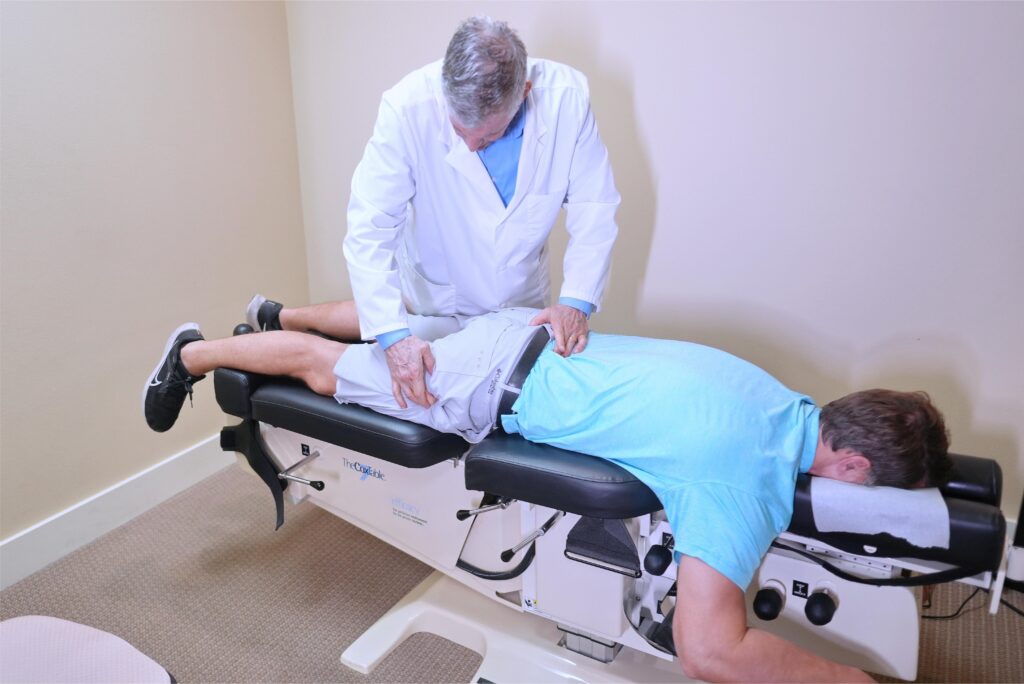
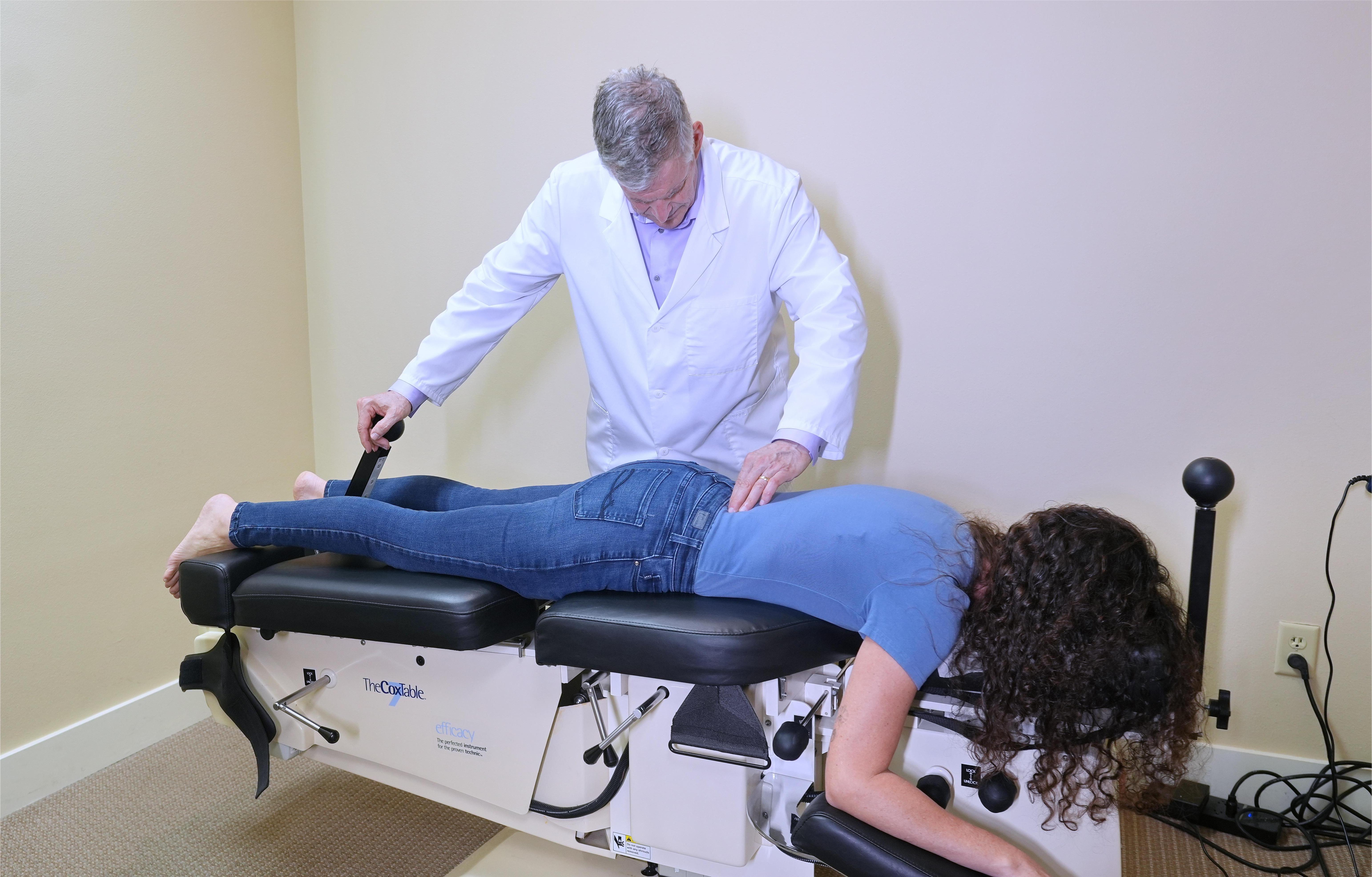
Chiropractic care offers a non-surgical, drug-free approach to hip pain that focuses on restoring proper alignment, reducing joint stress, and improving the function of the surrounding muscles and soft tissues. At Douglass Chiropractic, the care Dr. Timothy Douglass provides is anything but cookie-cutter. Every patient receives a thorough evaluation before any treatment begins, because the right diagnosis shapes the right care plan.
Chiropractic adjustments to the pelvis and lumbar spine can reduce mechanical stress on the hip joint and restore proper movement patterns. When the sacroiliac joint is misaligned or the lumbar vertebrae are restricted, neighboring structures — including the hip — often bear the burden. Correcting those imbalances can produce significant relief. Evidence from organizations like the American Chiropractic Association and published research in conservative care journals suggests that spinal and pelvic manipulation can be an effective tool in managing musculoskeletal hip pain.
Dr. Douglass has spent over 30 years refining his adjusting techniques into methods that patients consistently describe as gentler and more effective than what they’ve experienced at other practices. For hip pain specifically, this matters — because aggressive or poorly calibrated adjustments can aggravate an already irritated joint. The approach at Douglass Chiropractic is always tailored to the individual, taking into account age, activity level, pain sensitivity, and the specific tissue involved.
Soft tissue work, targeted therapeutic exercises, and postural retraining may also be part of a comprehensive care plan depending on the cause of your hip pain. The goal is never just to get you out of pain — it’s to help you understand why the pain happened and what you can do to prevent it from returning.
Practical Tips for Managing Hip Discomfort at Home
While professional evaluation is always recommended for sudden or persistent hip pain, there are some general habits and lifestyle adjustments that can support your recovery and reduce flare-ups.
First, pay attention to how long you sit in one position. Prolonged sitting shortens the hip flexors and compresses the bursae on the outer hip. If you work at a desk, try to stand, walk, or gently stretch for a few minutes every hour. Keeping the hips mobile throughout the day is one of the simplest things you can do for long-term hip health.
Second, be mindful of your sleeping position. Sleeping on your side with no support between your knees can put significant rotational stress on the hip. Placing a firm pillow between your knees when sleeping on your side helps keep the pelvis aligned and reduces overnight strain.
Third, pay attention to your footwear. Worn-out shoes or sandals (a very common sight here in Destin) can alter the way you walk and place uneven forces on the hip. Supportive footwear doesn’t have to be boring — it just needs to provide adequate arch support and cushioning.
When to See a Chiropractor for Hip Pain
You don’t need to be in severe pain to benefit from a chiropractic evaluation. In fact, catching problems early — before they become chronic — tends to lead to faster resolution and fewer complications. That said, some signs suggest that your hip pain deserves professional attention sooner rather than later.
If your hip pain has persisted for more than a few days without improvement, if it’s affecting your ability to walk normally, or if you notice the pain radiating down your leg, those are all signals to have things checked out. Pain that wakes you from sleep, causes you to limp, or is accompanied by noticeable swelling around the joint also warrants a visit.
There are also red flags that indicate a need for urgent medical evaluation rather than chiropractic care. These include hip pain following significant trauma (like a fall or vehicle accident), inability to bear weight on the affected leg, fever accompanying joint pain, or visible deformity of the joint. In any of these cases, emergency or orthopedic care should be your first call. At Douglass Chiropractic, we always refer patients to the appropriate provider when the situation calls for it — your safety is always the priority.
Hip Pain Causes at a Glance
|
Condition |
Primary Location of Pain |
Common Triggers |
Chiropractic Relevance |
|---|---|---|---|
|
Bursitis |
Outer hip / lateral thigh |
Repetitive motion, prolonged sitting |
High — reducing joint compression and inflammation |
|
Hip Flexor Strain |
Front of hip / groin |
Sudden overstretch, desk work |
High — soft tissue work and posture correction |
|
SI Joint Dysfunction |
Hip, buttock, lower back |
Twisting, lifting, pregnancy |
Very High — spinal/pelvic adjustment |
|
Osteoarthritis |
Deep groin / inner thigh |
Age-related wear, overuse |
Moderate — mobility support, load reduction |
|
Piriformis Syndrome |
Buttock / radiating down leg |
Prolonged sitting, activity changes |
High — muscle release and pelvic alignment |
|
Labral Tear |
Deep groin / inside joint |
Repetitive stress, structural issues |
Moderate — supportive care and biomechanical correction |
Common Myths About Hip Pain
Myth: Hip Pain Only Happens to Older Adults
Fact: While osteoarthritis is more common in older populations, conditions like bursitis, labral tears, hip flexor strains, and piriformis syndrome are very common in younger and middle-aged adults. Active individuals in their 20s, 30s, and 40s regularly experience significant hip pain — and those cases respond very well to conservative care.
Myth: If It Came on Suddenly, It Must Be Serious
Fact: The suddenness of pain doesn’t necessarily indicate severity. Many cases of sudden hip pain are caused by minor soft tissue irritation or a joint that reached its threshold after gradual stress. The key is having it properly evaluated so you know what you’re actually dealing with, rather than assuming the worst.
Myth: You Have to Live With Hip Pain as You Get Older
Fact: Aging does change the joints, but pain is not an unavoidable outcome. Many patients who come to Douglass Chiropractic in Destin are pleasantly surprised by how much improvement is possible — even for longstanding hip discomfort. Restoring proper alignment and movement patterns can make a meaningful difference at any age.
Myth: Chiropractic Care Is Only for Back Pain
Fact: Chiropractors are trained in the diagnosis and conservative management of musculoskeletal conditions throughout the body — including the hips, knees, and shoulders. Addressing pelvic and lumbar alignment is often directly relevant to hip pain, making chiropractic a highly applicable approach for many hip conditions.
Myth: Rest Is Always the Best Treatment for Hip Pain
Fact: Complete rest can actually slow recovery in many cases of hip pain, particularly those involving muscle strain or joint stiffness. Gentle, guided movement is often more beneficial than prolonged inactivity. A chiropractor can help guide you toward the right level and type of activity for your specific condition.
Final Thoughts From Douglass Chiropractic in Destin
Sudden hip pain is one of those experiences that can stop you in your tracks — and understandably so. Whether you’re a longtime Destin resident, a seasonal visitor to the Emerald Coast, or someone who just moved to this beautiful area, your ability to move freely and without pain matters deeply to your quality of life. We want you to be able to do the things you love — walk the beach at sunset, play with your kids or grandkids, stay active — without hip pain holding you back.
At Douglass Chiropractic, Dr. Timothy Douglass brings over 30 years of experience, proprietary adjusting techniques, and a genuinely individualized approach to every patient who walks through the door. We’ve built our reputation in this community not through advertising, but through real results and neighbor-to-neighbor trust. If your hip has been bothering you and you’re looking for answers, we’d love to be part of your path forward.
You don’t have to figure this out alone, and you don’t have to settle for pain as your new normal. We’ve got your back — and your hips.
Frequently Asked Questions About Sudden Hip Pain
Can a chiropractor actually help with hip pain?
Yes, chiropractic care can be very effective for many types of hip pain, particularly those related to pelvic misalignment, SI joint dysfunction, bursitis, and hip flexor issues. Dr. Timothy Douglass evaluates each patient thoroughly to determine whether chiropractic care is appropriate and what approach will be most beneficial for their specific situation.
How do I know if my hip pain is coming from my back or my actual hip joint?
This is a very common question, and the honest answer is that it often takes a professional evaluation to determine. Pain in the hip region can originate from the lumbar spine, SI joint, hip joint itself, or surrounding soft tissues. A detailed physical examination — including movement testing and palpation — is the best way to identify the true source.
Is it safe to exercise with hip pain?
It depends on the cause and severity of the pain. In many cases, gentle movement and specific exercises are actually helpful for recovery. However, pushing through sharp or worsening pain is not advisable. A chiropractor or healthcare provider can guide you on what activities are safe and beneficial for your specific condition.
How long does sudden hip pain usually last?
Duration varies widely depending on the underlying cause. Minor soft tissue strains may resolve within days to a couple of weeks with appropriate care. Conditions like bursitis or SI joint dysfunction may take longer, especially if left untreated. Seeking evaluation early generally leads to faster and more complete recovery.
Should I use ice or heat for hip pain?
Generally speaking, ice is recommended in the first 24–72 hours after a new or acute flare to help manage inflammation. Heat may be more appropriate for chronic stiffness or muscle tightness. When in doubt, ask your chiropractor — the right choice can depend on the specific tissue involved and the phase of healing.
What should I expect at my first visit to Douglass Chiropractic for hip pain?
Dr. Timothy Douglass will conduct a thorough evaluation that includes a health history review, postural assessment, and hands-on examination of your hip, pelvis, and lumbar spine. From there, he will explain his findings in plain language and work with you to develop a personalized care plan that fits your goals and lifestyle.
TL;DR — Key Takeaways
-
Sudden hip pain often has a clear underlying cause — including bursitis, hip flexor strain, SI joint dysfunction, osteoarthritis, piriformis syndrome, or labral tears — and most cases respond well to conservative care.
-
The hip is biomechanically connected to the lower back, pelvis, and knee, which means the source of your pain may not be exactly where you feel it.
-
Chiropractic care offers a non-invasive, personalized approach to hip pain that addresses root causes rather than just masking symptoms.
-
Red flags like severe trauma, inability to bear weight, fever with joint pain, or visible deformity warrant urgent medical attention — not chiropractic care.
-
At Douglass Chiropractic in Destin, FL, Dr. Timothy Douglass provides individualized evaluations and care plans built around each patient’s unique needs — helping Emerald Coast families move, feel, and live better.