
If you’re struggling with lower back pain, you’re certainly not alone. Many individuals experience discomfort that can hinder daily activities and overall quality of life. The good news is that there are natural and effective strategies you can incorporate into your life within just 30 days to alleviate this issue. By focusing on gentle stretching, strengthening exercises, and healthy lifestyle changes, you can make noticeable improvements in your condition.
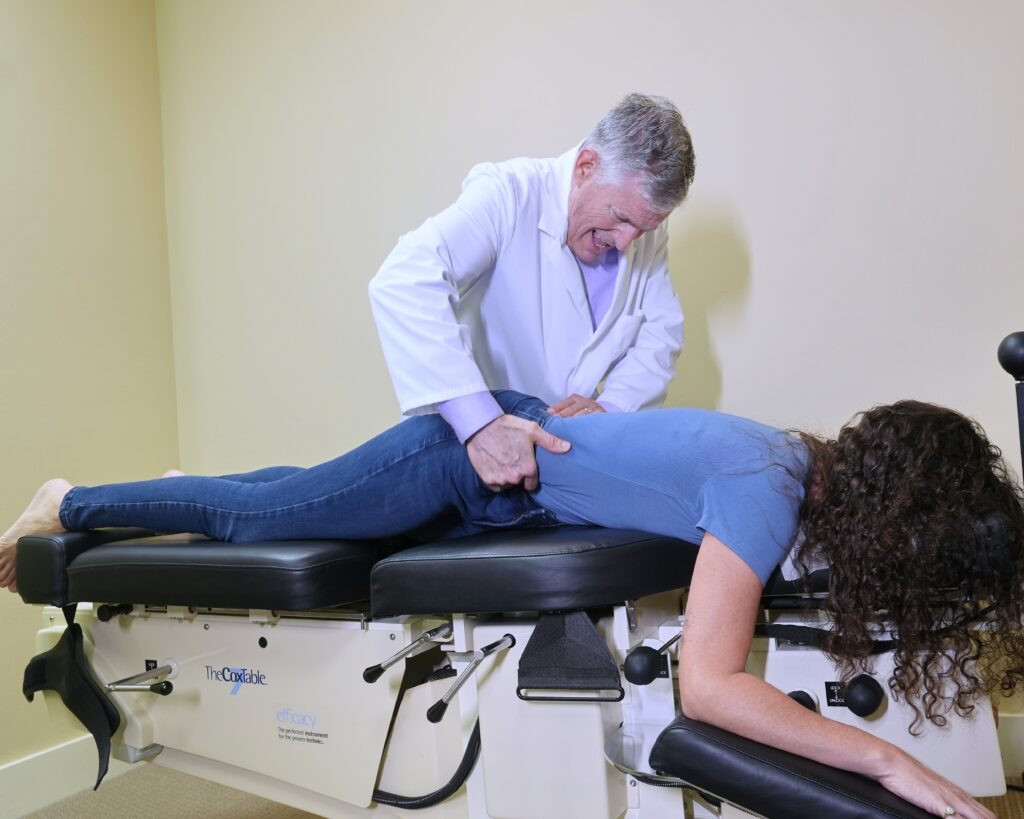
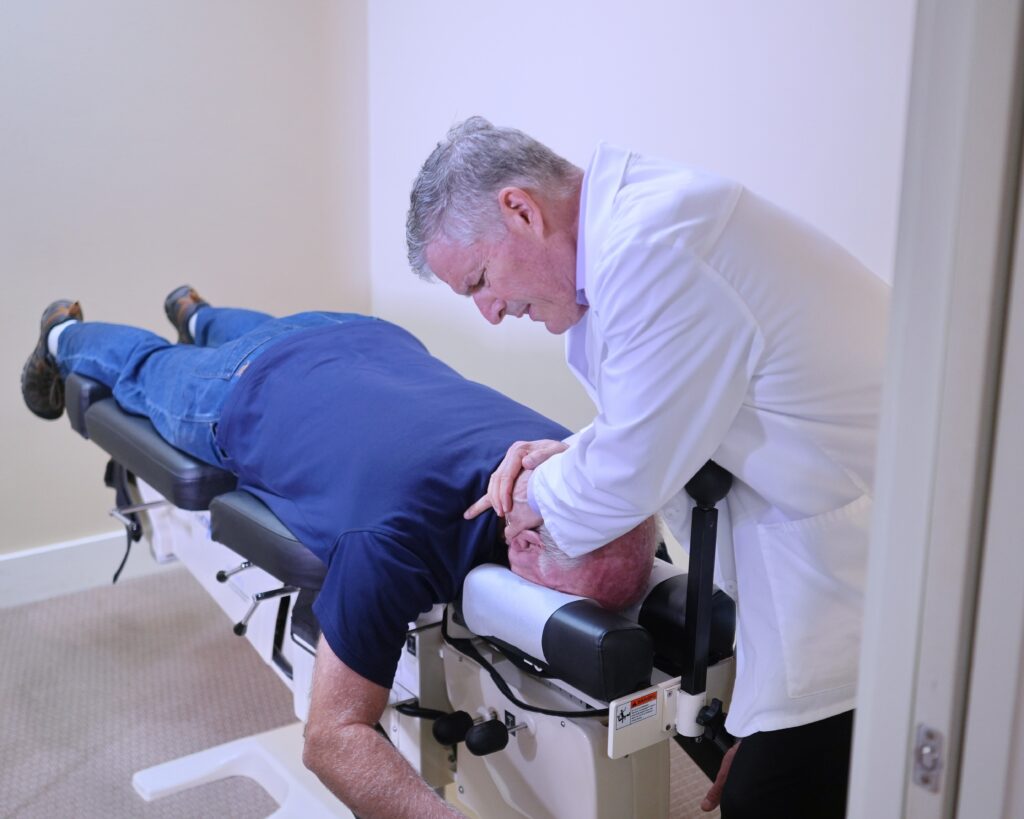
One of the best ways to address lower back pain is through chiropractic care. Chiropractors are experts in spinal health and can help identify the root cause of your discomfort. Regular adjustments can restore proper alignment and function to your spine, which in turn can reduce pain and enhance your overall well-being.
To get started on your journey to relief, consider these simple tips:
- Stay Active: Engage in low-impact activities like walking, swimming, or yoga. Movement is essential for spine health and can help ease stiffness.
- Stretch Regularly: Incorporate gentle stretches into your daily routine to improve flexibility and reduce tension in your back muscles.
- Strengthen Core Muscles: Focus on exercises that strengthen your core, as a strong core supports your spine and can prevent future pain.
- Practice Good Posture: Pay attention to your posture when sitting, standing, and moving throughout the day. Proper alignment can significantly impact your back health.
- Utilize Chiropractic Care: Schedule regular visits with a chiropractor to receive personalized care that addresses your specific needs. They can provide adjustments, guidance on exercises, and tips for maintaining a healthy spine.
- Stay Hydrated and Nourished: Drink plenty of water and eat a balanced diet rich in anti-inflammatory foods to support overall health and healing.
By taking these steps and prioritizing chiropractic care, you can empower yourself to overcome lower back pain naturally and effectively. Remember, it’s all about making small changes that lead to significant improvements in your health and quality of life. Let’s work together towards achieving optimal spinal health and wellness!
Key Takeaways
- Start each day with gentle stretching routines specifically designed to relieve tension in your lower back. This will not only improve your flexibility but also help prevent pain from setting in.
- Incorporate core strengthening exercises into your weekly routine at least three times a week. A strong core is essential for supporting your spine and maintaining overall stability, which can greatly reduce discomfort in your lower back.
- Pay attention to your posture throughout the day, especially while working. An ergonomic setup at your workstation can make a significant difference in preventing strain on your back and promoting proper spinal alignment.
- Consider regular chiropractic adjustments as a key part of your wellness journey. These sessions can help relieve discomfort, enhance your body’s natural ability to heal, and maintain optimal spinal health.
- Embrace a balanced lifestyle by nourishing your body with healthy foods and incorporating active recovery techniques. This holistic approach not only boosts your overall well-being but also plays a vital role in alleviating pain.
Remember, chiropractic care is a natural and effective path to achieving lasting pain relief and improved health. By following these simple tips, you can take control of your lower back pain and enhance your quality of life.
Understanding Lower Back Pain: Causes and Symptoms
When you experience lower back pain, it’s crucial to understand its causes and symptoms to find the most effective relief. Common culprits include muscle strains, herniated discs, and poor posture. You might feel a range of discomfort from a dull ache to sharp pain, especially with certain movements or if you’ve been sitting for too long.
In addition to pain, you may notice stiffness, limited flexibility, or tingling sensations in your legs. Sometimes, the discomfort can travel down your lower body, which may indicate nerve issues.
Recognizing these symptoms early is key to addressing the problem before it worsens. Factors such as age, physical activity levels, and underlying health conditions can all contribute to your pain. By understanding what’s happening in your body, you can make informed choices about your health.
Chiropractic care is an excellent option for managing lower back pain naturally. Through adjustments and other techniques, chiropractors can help realign your spine, reduce pain, and improve your overall function.
Here are some general tips for maintaining a healthy back:
- Practice Good Posture: Keep your back straight and shoulders back, especially when sitting or standing for long periods.
- Stay Active: Regular physical activity can strengthen your back muscles and improve flexibility. Simple exercises like walking, stretching, and yoga can make a big difference.
- Use Proper Lifting Techniques: When lifting heavy objects, bend at your knees, not your back, to avoid strain.
- Invest in a Good Chair: If you sit for long periods, consider a chair that supports your lower back.
- Stay Hydrated and Nourished: Proper hydration and nutrition can help maintain healthy muscles and joints.
Effective Stretching Exercises for Relief
Incorporating stretching exercises into your daily routine can greatly help relieve lower back pain and enhance your overall flexibility. As a chiropractor, I encourage you to explore natural methods to support your spinal health. Here are some effective stretches that can make a positive difference.
Start with the cat-cow stretch. Get on all fours and alternate between arching your back upward and lowering it downward while taking deep breaths. This movement can improve spinal mobility and is a great way to warm up your back.
Next, try the seated forward bend. Sit with your legs extended in front of you and gently reach for your toes, holding the stretch for 20-30 seconds. This exercise helps lengthen the muscles in your lower back and can provide a soothing release.
Another fantastic stretch is the child’s pose. Kneel and sit back on your heels, extending your arms forward on the floor. Hold this position for about a minute to relieve tension in your back and promote relaxation.
Don’t forget the piriformis stretch, which is especially beneficial for those experiencing tightness in the hips. Lying on your back, cross one ankle over the opposite knee and gently pull that knee toward your chest. This stretch can help alleviate discomfort and improve flexibility in your lower back and hips.
Aim to perform these stretches daily, holding each for 20-30 seconds. You’ll likely notice a significant reduction in discomfort, along with an increase in your flexibility.
Strengthening Your Core: Key Exercises
While stretching is a fantastic way to improve flexibility and ease lower back pain, strengthening your core plays a crucial role in supporting your spine and overall wellness. A strong core acts as a natural brace for your spine, helping to alleviate strain on your lower back.
To get started, I recommend incorporating planks into your routine. Simply hold a straight position for 20-30 seconds, making sure to engage your abdominal muscles. This exercise builds foundational strength. You can then progress to side planks, which will help target the oblique muscles along your sides.
Another excellent exercise is the bridge. Lie on your back with your knees bent and feet flat on the floor. Lift your hips towards the ceiling while squeezing your glutes at the top, and hold for a few seconds before gently lowering back down. This move not only strengthens your core but also activates your glutes, which are vital for proper posture.
Bird-dogs are another great addition to your exercise regimen. Start on all fours, then extend one arm forward while simultaneously extending the opposite leg back. This exercise helps with balance and engages your core muscles, providing stability to your spine.
Aim to incorporate these exercises into your routine three times a week for the best results. By building strength and stability in your core, you can help reduce lower back pain and support your overall health. Remember, consistency is key!
Additionally, consider regular chiropractic care as part of your wellness journey. A chiropractor can help address any misalignments in your spine, further enhancing your body’s ability to heal naturally. Together, strengthening your core and receiving chiropractic adjustments can pave the way to a healthier, pain-free life.
The Role of Posture in Back Pain
Poor posture can significantly contribute to lower back pain, placing unnecessary strain on your spine and the muscles that support it. When you slouch or sit for extended periods without proper support, you may intensify your discomfort. As a chiropractor, I want to help you understand how your posture plays a crucial role in your overall health and wellness.
Here are some common postural habits that might be affecting you and how to address them:
- Slouching in your chair: This can compress your discs and lead to pain. To combat this, sit up straight with your feet flat on the floor and your back aligned against the chair. Consider using a lumbar support pillow to maintain the natural curve of your spine.
- Leaning forward while working: This increases strain on your lower back and can lead to further issues. Make sure your workstation is ergonomically set up; your monitor should be at eye level, and your chair should support your lower back. Take regular breaks to stand up and stretch, as this can help alleviate tension.
- Poor sleeping positions: Incorrect alignment during sleep can cause stiffness and discomfort when you wake up. Try sleeping on your side with a pillow between your knees or on your back with a small pillow under your knees to support your spine’s natural curvature.
Incorporating these simple changes into your daily routine can make a significant difference in your comfort and overall spinal health. Regular chiropractic care can also help you maintain proper alignment and alleviate pain, promoting natural healing and optimal wellness.
Lifestyle Changes for Long-Term Relief
Making lifestyle changes can be a game-changer for achieving long-term relief from lower back pain, and chiropractic care can play a vital role in this journey. As a local chiropractor, I want to share some tips that can help you live a healthier, pain-free life.
First, let’s talk about physical activity. Incorporating regular movement into your routine is essential. Activities that strengthen your core and improve flexibility, such as yoga or swimming, can be particularly beneficial. These exercises not only help combat stiffness but also enhance your overall body mechanics, which is crucial for maintaining a healthy spine.
Next, evaluate your daily habits. If you find yourself sitting for long periods, it’s important to take frequent breaks. Stand up, stretch, or take a short walk around. Additionally, consider adjusting your workspace to promote better posture. A well-aligned spine is key to preventing discomfort and ensuring that your body functions at its best.
Don’t overlook the impact of a balanced diet on your overall health. Eating anti-inflammatory foods can support your body’s healing processes and reduce pain. Focus on incorporating plenty of fruits, vegetables, whole grains, and healthy fats into your meals.
Finally, prioritize quality sleep. A good mattress and proper sleep positions can make a significant difference in how your back feels. When your spine is supported during sleep, you set the stage for a more comfortable day ahead.
Natural Remedies to Alleviate Discomfort
After making some lifestyle changes, you might discover that incorporating natural remedies can further help ease your lower back pain. These remedies can offer relief without the need for medications, and when combined with chiropractic care, they can enhance your journey to optimal health. Here are three effective options to consider:
- Heat Therapy: Using a warm compress or heating pad is a simple and effective way to increase blood flow and relax tight muscles. This can help alleviate pain and complement the adjustments you receive in chiropractic care.
- Essential Oils: Oils such as lavender and peppermint not only smell wonderful but also have properties that can help reduce inflammation and promote relaxation. Consider giving yourself a gentle massage with diluted essential oils; this can deepen the relaxation and support your body’s healing process.
- Herbal Supplements: Natural options like turmeric and ginger are well-known for their anti-inflammatory effects. Incorporating these into your meals can contribute to pain reduction over time, and they work beautifully alongside the benefits of chiropractic adjustments.
Professional Treatments: When to Seek Help
Recognizing when to seek professional help for lower back pain is crucial for your recovery journey, and chiropractic care can be your best ally.
If your pain lingers for more than a few weeks or worsens despite trying home remedies, it’s wise to consult a chiropractor. Pay special attention if you notice numbness, tingling, or weakness in your legs; these signs shouldn’t be ignored as they can indicate a more serious issue.
Additionally, if your lower back pain is accompanied by unexplained weight loss, fever, or issues with bladder or bowel control, it’s important to seek help right away. A chiropractor can provide a thorough assessment, helping you understand the root cause of your pain and offer personalized treatment plans that focus on natural healing methods.
Chiropractic care emphasizes spinal health as the foundation of overall wellness. Through gentle adjustments and tailored exercises, chiropractors can help alleviate pain and promote better mobility. Early intervention through chiropractic care can lead to more effective outcomes, so don’t hesitate to reach out for assistance.
In the meantime, here are some general tips to help manage your lower back pain at home:
- Maintain good posture: Ensure your workspace is ergonomically designed, and practice standing and sitting with proper alignment.
- Stay active: Gentle stretches and low-impact exercises can help keep your back strong and flexible.
- Apply heat or cold: Use a heating pad or ice pack to relieve discomfort and reduce inflammation.
- Practice relaxation techniques: Stress can exacerbate pain, so consider mindfulness, deep breathing, or yoga to promote relaxation.
Taking these steps, along with seeking chiropractic care, can empower you to reclaim your daily activities and enhance your quality of life naturally. Remember, you don’t have to face this journey alone—your chiropractor is here to help!
The Importance of Rest and Recovery
When you’re experiencing lower back pain, prioritizing rest and recovery is crucial for healing. Quality sleep allows your body to repair itself, making it an essential part of your recovery process. In addition to getting enough restful sleep, incorporating active recovery techniques and gentle stretching can significantly ease tension and promote flexibility in your back.
One of the best things you can do for your back is to consider regular chiropractic care. Chiropractors specialize in spinal health and can help align your spine, which not only alleviates pain but also enhances your overall wellness.
Here are a few simple tips to support your recovery and enhance your spinal health:
- Prioritize Sleep: Aim for 7-9 hours of quality sleep each night. Try to establish a relaxing bedtime routine to help your body unwind.
- Gentle Stretching: Incorporate gentle stretches into your daily routine to improve flexibility and relieve tension. Focus on stretches that target the lower back, hips, and legs.
- Stay Active: Engage in low-impact activities like walking or swimming. These can promote blood flow and healing without putting too much strain on your back.
- Regular Chiropractic Visits: Consider scheduling regular chiropractic adjustments. Chiropractors can help realign your spine, reducing discomfort and preventing future issues.
- Listen to Your Body: Pay attention to how your body feels during various activities. If something causes pain, it’s important to modify or avoid that activity.
Prioritizing Sleep Quality
Quality sleep is essential for managing lower back pain and supporting your overall recovery. When you prioritize your sleep, you’re giving your body the opportunity to heal and reduce inflammation, which is crucial for maintaining a healthy spine.
As a chiropractor, I want to share some effective tips to help you enhance your sleep quality naturally, promoting optimal health and well-being:
- Stick to a Consistent Sleep Schedule: Going to bed and waking up at the same time each day helps regulate your body’s internal clock. This consistency can lead to deeper, more restorative sleep, which is vital for recovery and pain relief.
- Establish a Calming Bedtime Routine: Engaging in relaxing activities before bed, such as reading or gentle stretching, can signal to your body that it’s time to wind down. This routine not only prepares your mind for sleep but also helps ease tension in your muscles, which is beneficial for your back.
- Optimize Your Sleep Environment: Ensure your sleep space is comfortable by investing in a supportive mattress and pillows that promote proper spinal alignment. Keeping the room cool and dark can further enhance your sleep quality, allowing your body to rest and repair effectively.
Remember, prioritizing sleep is a key component of your overall health and wellness journey. By focusing on these simple tips, you can improve your sleep quality and support your body’s natural healing processes.
As you work towards better sleep, consider incorporating regular chiropractic care into your routine for ongoing pain relief and to maintain optimal spinal health.
Active Recovery Techniques
While you might think that rest is the only way to recover from lower back pain, incorporating active recovery techniques can significantly enhance your healing process. As a chiropractor, I encourage you to engage in light activities like walking or cycling. These gentle movements keep your muscles active without straining them, promoting blood flow that aids healing and reduces stiffness. Swimming is another excellent option, providing a low-impact way to strengthen your core and back muscles.
It’s important to remember that the goal isn’t to push through pain, but rather to gently encourage movement and flexibility. Always listen to your body; if something doesn’t feel right, it’s okay to pause and take a step back. Balancing rest with these active recovery strategies won’t only support your back’s recovery but also improve your overall mobility, helping you return to your daily activities more quickly.
In addition to these techniques, consider regular chiropractic care. A chiropractor can offer personalized guidance and adjustments that align your spine, relieve pain, and enhance your body’s natural healing abilities. By prioritizing your spinal health, you can achieve optimal wellness and enjoy a pain-free life. Remember, your body is designed to heal itself, and with the right support, you can navigate your recovery journey effectively.
Gentle Stretching Benefits
Incorporating gentle stretching into your daily routine can be incredibly beneficial for alleviating lower back pain and promoting recovery. As a chiropractor, I often see how stretching can enhance your overall well-being. Not only does it improve flexibility, but it also boosts blood flow to the affected areas, allowing for faster healing.
Here are some key benefits of gentle stretching that you can easily integrate into your life:
- Reduces Muscle Tension: Stretching helps ease tightness in your lower back and surrounding muscles, which can relieve discomfort and improve your comfort levels throughout the day.
- Improves Posture: Regular stretching can assist in realigning your spine, reducing the strain on your back. Good posture is essential for maintaining spinal health and can prevent future issues.
- Enhances Mobility: By increasing your range of motion, stretching makes daily activities more manageable. Whether you’re playing with your kids or simply bending down to tie your shoes, increased mobility helps you move with ease.
Here are some simple tips to get started with gentle stretching:
- Start Slow: Begin with just a few minutes of stretching each day. Focus on areas that feel tight or sore.
- Breathe Deeply: Remember to breathe deeply as you stretch. This helps to relax your muscles and promotes better oxygen flow.
- Listen to Your Body: Pay attention to how your body feels during stretching. If something doesn’t feel right, ease off and try a gentler stretch.
- Consistency is Key: Incorporate stretching into your daily routine. Over time, it can lead to significant improvements in your mobility and comfort.
By combining gentle stretching with regular chiropractic care, you can achieve optimal health and wellness naturally. Chiropractic adjustments work hand-in-hand with stretching to align your spine and enhance your body’s natural healing abilities.
Embrace these practices for a healthier, pain-free life!
Incorporating Mindfulness and Relaxation Techniques
When you’re experiencing lower back pain, integrating mindfulness and relaxation techniques can be incredibly beneficial alongside chiropractic care. These practices not only help you manage stress and tension—which often play a significant role in your pain—but also complement the adjustments and treatments you receive from your chiropractor.
Start by dedicating a few minutes each day to deep breathing exercises. Inhale slowly through your nose, hold for a moment, and then exhale fully through your mouth. This simple practice allows your body to relax more with each breath, making it easier to maintain proper spinal alignment.
Consider incorporating gentle yoga stretches into your routine. Focus on movements that encourage awareness of your body and help release tension in your muscles. This is especially useful for identifying tight areas that may benefit from chiropractic adjustments.
While you’re going about your daily activities, practice mindfulness by paying attention to your posture and movements. Being aware of how you lift, carry, and sit can prevent actions that may worsen your pain.
Creating a Pain Management Plan for Success
To effectively manage lower back pain, it’s crucial to create a personalized pain management plan that aligns with your lifestyle and focuses on natural healing. As a chiropractor, I believe that chiropractic care is one of the best approaches to achieving optimal health and pain relief.
Here are some key components you can incorporate into your plan:
- Chiropractic Adjustments: Regular visits to a chiropractor can help align your spine, improve mobility, and reduce pain. These adjustments can address the root cause of your discomfort, rather than just masking the symptoms.
- Regular Exercise: Engage in gentle activities that strengthen your core and improve flexibility. Consider low-impact exercises like walking, swimming, or yoga. These can help support your spine and reduce pain over time.
- Pain Relief Techniques: Instead of relying on medications, try natural methods such as applying heat or cold to the affected area. This can help relieve discomfort and promote healing.
- Mindfulness Practices: Incorporate techniques like meditation or deep breathing into your routine. Managing stress is essential, as it can heighten your perception of pain. These practices can help you find calm and focus on healing.
- Proper Posture and Ergonomics: Pay attention to your posture during daily activities. Ensure that your workspace is set up to prevent strain on your back, and practice good body mechanics when lifting or bending.
Make sure to schedule regular check-ins with your chiropractor to assess your progress and make any necessary adjustments to your plan. Consistency is key, so stick to your routine and stay committed to your healing journey.