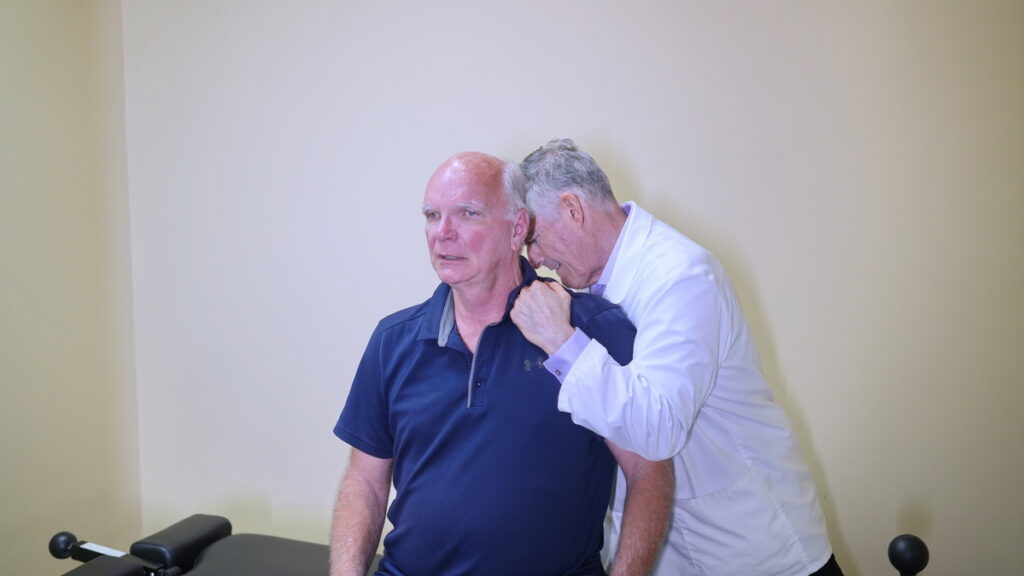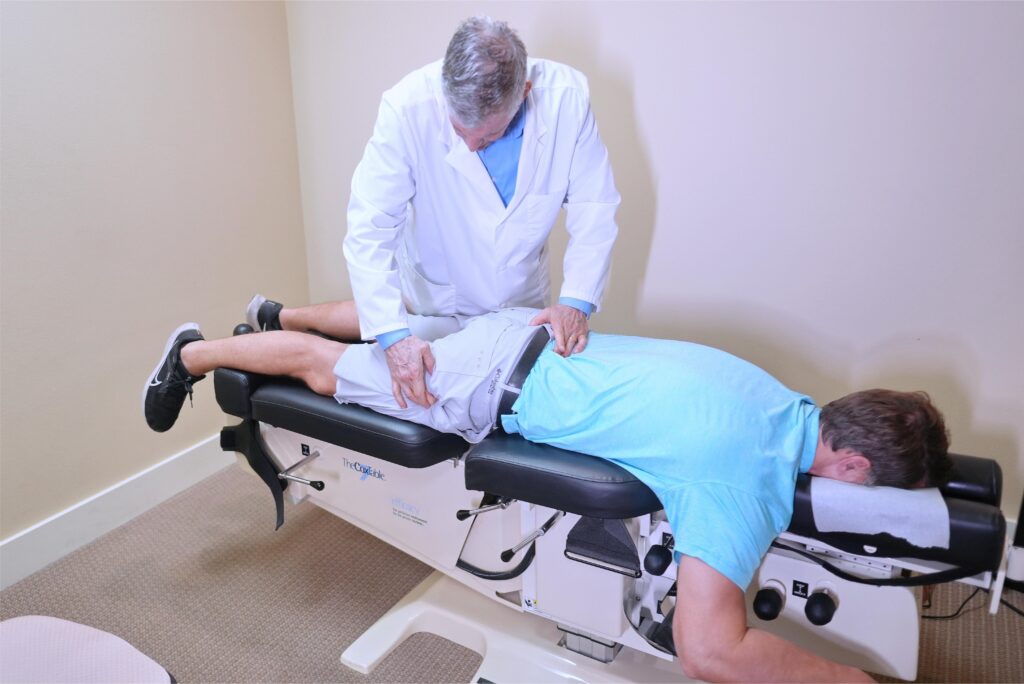

When you experience a sports injury, it’s common to feel a mix of emotions, including frustration and anxiety. This is where chiropractic care can significantly aid your recovery. Chiropractic therapy not only focuses on the physical aspects of healing but also supports your emotional and mental well-being. A chiropractor will work with you to address any pain and discomfort, helping you regain your confidence and focus.
By creating a personalized treatment plan that includes spinal adjustments, exercises, and lifestyle recommendations, chiropractic care promotes natural healing and encourages your body to recover optimally. Setting achievable recovery goals is essential, and your chiropractor can guide you through this process, ensuring you stay motivated and on track.
Additionally, building a supportive network is vital during your recovery journey. Engaging with your chiropractor can provide you with a strong foundation of support, as they understand the challenges you face and can offer practical advice tailored to your needs.
Here are some tips to enhance your recovery journey:
- Stay Active: Incorporate gentle movements or stretches as recommended by your chiropractor to keep your body engaged without risking further injury.
- Maintain a Positive Mindset: Focus on your progress, no matter how small. A positive attitude can significantly impact your recovery.
- Prioritize Rest: Ensure you get adequate rest to allow your body to heal. Sleep is crucial for recovery.
- Stay Hydrated: Proper hydration supports your overall health and can aid in the healing process.
- Nutrition Matters: Fuel your body with nutritious foods that promote healing, such as fruits, vegetables, and lean proteins.
- Communicate with Your Chiropractor: Keep an open line of communication about your progress and any concerns you may have.
- Focus on Spinal Health: Regular chiropractic adjustments can keep your spine aligned, promoting better overall health and preventing future injuries.
By choosing chiropractic care, you are opting for a natural and effective way to manage pain and enhance your overall well-being. Remember, recovery is a journey, and with the right support, you can emerge stronger than before.
Key Takeaways
- Chiropractic therapy enhances emotional resilience by helping individuals acknowledge and process their feelings during injury recovery, fostering a positive mindset that is crucial for healing.
- Mindfulness techniques incorporated into chiropractic sessions can help reduce anxiety, keep you focused on the present, and improve the overall effectiveness of your rehabilitation process.
- Regular chiropractic adjustments play a vital role in physical recovery by aligning the spine, improving nervous system function, and alleviating pain. This not only helps with your physical symptoms but also boosts your concentration and mental clarity, leading to a more holistic recovery experience.
- Setting specific, achievable goals within your chiropractic care plan can motivate you and help track your progress throughout the recovery journey. This structured approach is essential for keeping you engaged and focused on your wellness.
- The support you receive from your chiropractor and the connections you build with others in your recovery community can provide invaluable emotional encouragement. This can significantly reduce feelings of isolation and enhance your motivation as you navigate through recovery phases.
Remember, chiropractic care is a natural and effective way to manage pain and support your overall health and wellness, ensuring you can return to your active lifestyle as quickly and safely as possible.
Enhancing Emotional Resilience
When you face a sports injury, enhancing your emotional resilience can play a crucial role in your recovery journey, and chiropractic care can support you along the way. It’s normal to feel a mix of frustration, anger, and sadness during this time. Acknowledging your emotions instead of suppressing them is a vital first step. It’s perfectly okay to feel upset; recognizing this is empowering.
Setting realistic goals for your recovery is essential. Break down your progress into small, achievable milestones, and celebrate each victory, no matter how minor. Each small win reinforces your determination and helps you stay motivated. Surround yourself with supportive friends and family who encourage you during tough times; their positivity can greatly impact your emotional well-being.
Chiropractic care can also aid in your recovery by addressing any underlying spinal issues that may be contributing to your pain or discomfort. Regular adjustments can help restore alignment, improve mobility, and promote natural healing. This holistic approach not only aids in physical recovery but can also enhance your emotional resilience by helping you feel better overall.
Additionally, consider incorporating mindfulness practices like meditation or journaling into your routine. These techniques can help you stay grounded and focused on the present moment, fostering a sense of empowerment. By enhancing your emotional resilience and seeking chiropractic care, you’ll pave the way for a smoother, more effective recovery process. Remember, the journey to recovery is as important as the destination, and with the right support and mindset, you can achieve optimal health and wellness.
Reducing Anxiety and Depression
When you’re recovering from a sports injury, feelings of anxiety and depression can sometimes sneak in. It’s important to address these emotions, not just for your mental health but also for your physical recovery. One effective way to support your overall well-being during this time is through chiropractic care.
Chiropractic treatments focus on aligning the spine and improving nervous system function, which can play a vital role in reducing stress and promoting emotional resilience. Regular adjustments can help alleviate pain, allowing you to focus more on your recovery and less on discomfort.
In addition to chiropractic care, developing effective coping strategies can also be beneficial. Consider incorporating mindfulness techniques into your daily routine, such as deep breathing exercises or gentle stretches. These practices can help calm your mind and improve your mental clarity.
Another useful tip is to stay connected with your support system—friends, family, or fellow athletes. Sharing your experiences can help lighten your emotional load and remind you that you’re not alone in your recovery journey.
Emotional Resilience Building
While recovering physically from a sports injury is crucial, it’s equally important to focus on emotional resilience as a key part of your healing journey. When faced with setbacks, building emotional resilience can help you bounce back even stronger. Chiropractic care not only addresses the physical aspects of pain but also plays a vital role in your overall wellness, which includes emotional health.
Visiting a chiropractor can provide a supportive environment where you can discuss your feelings and concerns related to your injury. This holistic approach helps you to understand and process your emotions, making it easier to manage the stress and anxiety that often accompany physical injuries.
In addition to chiropractic adjustments, consider incorporating some coping strategies into your routine. Simple practices like deep breathing exercises, gentle stretching, or mindfulness can significantly reduce stress and promote a positive mindset. Focusing on your progress, no matter how small, can help you maintain hope and determination during your recovery.
Remember, reframing negative thoughts is essential. Instead of dwelling on what you can’t do, celebrate the small achievements you make each day. This shift in perspective not only aids in your recovery but also enhances your overall mental well-being.
Ultimately, strengthening your emotional resilience alongside chiropractic care not only facilitates recovery from your injury but also equips you to face future challenges with confidence. Embrace this journey towards optimal health and wellness—your body and mind will thank you!
Coping Strategies Development
Building emotional resilience is a key part of achieving optimal health, and it can greatly enhance your recovery process. When you focus on reducing anxiety and depression, you set the stage for a smoother journey.
Here are four practical strategies that can support you in coping and complement your chiropractic care:
- Establish a routine: A consistent daily schedule helps maintain balance. Include regular chiropractic appointments, physical activity, and time for relaxation. This structure can help you feel more grounded and in control.
- Connect with others: Reach out to friends, family, or local support groups who understand what you’re going through. Sharing your experiences can provide comfort and a sense of community, and it’s a great way to gain new perspectives on your healing journey.
- Set small goals: Break your recovery into manageable steps. Whether it’s improving your posture, increasing your physical activity, or attending chiropractic sessions regularly, small milestones can boost your motivation and help you celebrate your progress.
- Practice self-compassion: Be gentle with yourself during this process. Understand that setbacks may occur, but they don’t define your worth or your ability to heal. Embracing a positive mindset can enhance your overall wellness.
Mindfulness Techniques Implementation
Practicing mindfulness can be a valuable strategy for easing anxiety and depression as you recover from a sports injury. By concentrating on the present moment, you can reduce the negative thoughts that often arise with physical challenges. Simple techniques such as deep breathing and body scans encourage you to connect with your body and relieve built-up tension. Just a few minutes of mindfulness meditation each day can instill a sense of calm and acceptance, which is crucial for your healing journey.
Consider journaling your feelings as well; this can help clarify your thoughts and allow for emotional release. Additionally, engaging in mindful movement activities like yoga or tai chi can blend physical rehabilitation with mental well-being, enhancing your recovery process.
As a chiropractor, I emphasize that these mindfulness techniques can complement your chiropractic care, promoting a holistic approach to health. By incorporating these practices into your routine, you can support your mental health while benefiting from the natural, hands-on healing that chiropractic care provides. Remember, the goal is to achieve optimal health in a natural way, and embracing these strategies can significantly enhance your overall recovery experience.
Improving Focus and Mental Clarity
When you’re recovering from a sports injury, maintaining focus and mental clarity is essential for effective healing. Chiropractic care not only aids in physical recovery but also supports your mental well-being. Here are four chiropractic-inspired ways to enhance your focus during your recovery journey:
- Spinal Alignment: Keeping your spine aligned can improve your overall brain function. Regular chiropractic adjustments help ensure that your nervous system operates efficiently, which can boost your mental clarity and focus as you work towards recovery.
- Mindfulness Through Movement: Chiropractic care often incorporates gentle exercises and stretches that promote mindfulness. Engaging in these movements not only helps with physical rehabilitation but also allows you to stay present and reduce anxiety, which can distract you from your healing process.
- Visualization Techniques: As you work with your chiropractor, take time to visualize your successful recovery. Picture yourself moving freely and performing at your best. This positive imagery can reinforce your motivation and help maintain mental clarity as you progress.
- Breathing Techniques: Incorporating deep breathing exercises can be incredibly beneficial. Simple practices, such as inhaling deeply through your nose and exhaling slowly through your mouth, can help calm your mind and enhance focus, making your recovery smoother and less stressful.
Facilitating Goal Setting and Motivation
Setting clear goals is essential for staying motivated during your recovery from a sports injury, especially when you incorporate chiropractic care into your healing journey. Working with a chiropractor allows you to define specific and achievable objectives tailored to your unique needs. This not only provides a clear roadmap for your recovery but also boosts your confidence as you reach each milestone.
By breaking down your recovery into smaller, manageable goals, you’ll find it easier to track your progress and stay engaged. Your chiropractor can help you celebrate these successes, reinforcing a positive mindset. Plus, discussing your goals with your chiropractor allows for adjustments based on your evolving condition, ensuring that you always have something to aim for.
In addition to setting goals, consider these tips for optimizing your recovery:
- Stay Active: Engage in gentle exercises as recommended by your chiropractor to maintain mobility and strength without overexerting yourself.
- Prioritize Rest: Give your body the time it needs to heal. Quality sleep helps your body recover more effectively.
- Maintain Proper Nutrition: Eating a balanced diet rich in vitamins and minerals supports healing and overall wellness.
- Stay Hydrated: Drinking plenty of water aids in recovery and keeps your body functioning at its best.
Developing Coping Strategies
Recovering from a sports injury can be a challenging journey, but developing effective coping strategies is crucial for maintaining your mental health and resilience. As a chiropractor, I want to emphasize that chiropractic care can be an invaluable part of this healing process, promoting natural recovery and optimal well-being.
Here are some practical techniques to consider as you navigate your recovery:
- Mindfulness Practices: Incorporating mindfulness exercises such as meditation or deep-breathing can help reduce anxiety and keep you grounded in the present moment. This practice not only helps with stress management but can also support your overall healing journey.
- Journaling: Take some time to write down your thoughts and feelings about your recovery. Journaling can help you gain clarity on your emotions and provide a sense of control over your healing experience. Plus, it’s a great way to track your progress!
- Social Support: Surround yourself with supportive friends, family, or even local support groups. Sharing your experiences and feelings with others can lighten your emotional burden and foster a sense of community, which is essential for healing.
- Visualization: Spend some time visualizing yourself fully recovered and excelling in your sport. This mental exercise can enhance your motivation and reinforce a positive mindset, making it easier to stay committed to your recovery.
- Chiropractic Care: Regular chiropractic adjustments can help alleviate pain and promote healing by ensuring your spine is aligned and your nervous system is functioning optimally. This natural approach to wellness can enhance your recovery process and help you get back to doing what you love.
By integrating these coping strategies and considering chiropractic care as a key part of your recovery plan, you can foster resilience, manage pain naturally, and support your overall health and well-being.
Encouraging Positive Self-Talk
When you face setbacks from an injury, it’s common to feel overwhelmed and slip into negative thinking. However, it’s important to remember that your mindset plays a crucial role in your recovery. By reframing those thoughts and embracing encouraging positive self-talk, you can boost your self-confidence and maintain a positive outlook.
Chiropractic care is a powerful ally in your journey to recovery. Not only does it help alleviate pain and promote natural healing, but it also supports your overall wellness. Here are some tips to help you cultivate a positive mindset and enhance your recovery:
- Focus on Progress, Not Perfection: Celebrate small victories, like being able to move a little more freely or experiencing less pain after a chiropractic adjustment. Every step forward is a step toward healing.
- Practice Positive Affirmations: Use simple phrases that resonate with you, such as “I am healing” or “I am strong.” Repeat these affirmations daily to reinforce a positive mindset.
- Visualize Your Success: Spend a few minutes each day visualizing yourself fully healed and enjoying activities you love. This can create a mental pathway for your recovery.
- Stay Engaged with Your Chiropractic Care: Regular visits to your chiropractor can’t only relieve pain but also provide encouragement and support throughout your healing process. Your chiropractor can guide you on exercises and stretches tailored to your recovery.
- Surround Yourself with Positivity: Connect with friends and loved ones who uplift you. Share your goals and progress, and allow their support to motivate you further.
Reframing Negative Thoughts
As you work through your recovery from a sports injury, it’s important to understand how negative thoughts can impact your healing process. By reframing these thoughts, you can foster a more positive mindset that supports your journey toward wellness. Here are some helpful tips to encourage positive self-talk during your recovery:
- Recognize Negative Thoughts: Pay attention to moments when you may be overly critical of yourself. Being aware of these thoughts is the first step to overcoming them.
- Question Your Thoughts: Reflect on whether these thoughts are grounded in reality or simply a fear-based reaction. This can help you gain perspective.
- Focus on What You Can Do: Instead of dwelling on limitations, redirect your attention to the activities and movements you can still perform. This shift in focus can boost your motivation and morale.
- Use Daily Affirmations: Incorporate positive affirmations into your routine that highlight your strength, resilience, and commitment to recovery. This practice can reinforce your belief in your ability to heal naturally.
By integrating these strategies into your recovery, you not only enhance your mental well-being but also align your mindset with the natural healing benefits of chiropractic care. Chiropractic adjustments can promote healing by improving spinal alignment and reducing pain, allowing your body to function at its best.
Building Self-Confidence Skills
Building self-confidence skills is essential for anyone recovering from a sports injury, and it’s important to recognize how a positive mindset can significantly influence your healing journey. One effective method to cultivate this positive mindset is through encouraging positive self-talk, which can be a powerful tool in your recovery process. By replacing negative thoughts with affirmations, you can create a noticeable shift in your overall attitude and motivation.
As a chiropractor, I want to emphasize that your body’s natural ability to heal can be supported by maintaining a confident and positive perspective on your recovery. Here’s a quick guide to help you practice positive self-talk as you embark on this journey:
| Negative Thought | Positive Reframe | Action to Take |
|---|---|---|
| “I’ll never get back to my best.” | “I’m improving every day.” | Focus on daily achievements, and consider how chiropractic adjustments can aid in your progress. |
| “This injury is ruining everything.” | “I’m learning resilience.” | Embrace the recovery process, and remember that chiropractic care can help restore balance and mobility. |
| “I’m not strong enough.” | “I’m capable and getting stronger.” | Set small, achievable goals, and utilize chiropractic techniques to enhance your strength and flexibility. |
| “I’ll fail during recovery.” | “I’m committed to my progress.” | Visualize success regularly, and trust that consistent chiropractic care will support your journey. |
Each small shift in mindset can boost your self-confidence considerably and enhance your overall well-being. Remember, chiropractic care not only helps with pain relief but also plays a crucial role in promoting natural healing and supporting your body’s recovery process. Stay positive, and take proactive steps toward your health!
Building a Supportive Network
Building a Supportive Network for Recovery
As a local chiropractor, I understand how crucial it’s for athletes to have a supportive network during their recovery from sports injuries. Surrounding yourself with the right people can make a significant difference in your healing journey, helping you achieve optimal health through natural means. A strong support system can provide emotional encouragement, motivation, and practical assistance.
Here are four ways to build that supportive network while keeping your healing process focused on natural wellness:
- Engage with teammates: Share your recovery milestones and challenges with those who understand the demands of your sport. They can provide camaraderie and insightful tips that resonate with your experiences, making the journey feel less isolating.
- Connect with coaches: Coaches can offer valuable guidance to help you remain focused on your recovery goals. They understand the commitment it takes to return to your sport and can encourage you to incorporate chiropractic care into your recovery plan, which promotes natural healing and pain relief.
- Involve family and friends: Having a solid support system of family and friends can greatly enhance your emotional well-being. Their encouragement can help you stay motivated, and they can assist you in implementing healthy habits that complement your recovery.
- Seek professional help: Chiropractic care is an excellent choice for addressing injuries and promoting overall wellness. A chiropractor can provide expert advice tailored to your specific needs, helping you navigate the physical and emotional challenges of recovery. With a focus on spinal health and natural healing, chiropractic adjustments can relieve pain and enhance your body’s ability to heal itself.