
If you’ve ever woken up in the middle of the night with your hand completely numb and tingling, or struggled to grip your morning coffee cup because of that familiar burning ache in your wrist, you already know how disruptive carpal tunnel syndrome can be. It has a way of sneaking into every corner of daily life — from typing at a desk to holding a phone, driving a car, or even simply resting your arm. Here in Destin, many of the patients who walk through our doors at Douglass Chiropractic are surprised to learn that chiropractic care can play a meaningful role in managing carpal tunnel symptoms. The good news? You have more options than you might think, and recovery is more attainable than it may feel right now.
What Is Carpal Tunnel Syndrome?
Carpal tunnel syndrome (CTS) is a condition caused by compression of the median nerve as it passes through a narrow passageway in the wrist called the carpal tunnel. This compression leads to numbness, tingling, weakness, and pain in the hand and wrist — and sometimes up into the forearm. It is one of the most common nerve compression conditions in the United States, affecting people across a wide range of occupations and lifestyles.
What Causes Carpal Tunnel Syndrome?
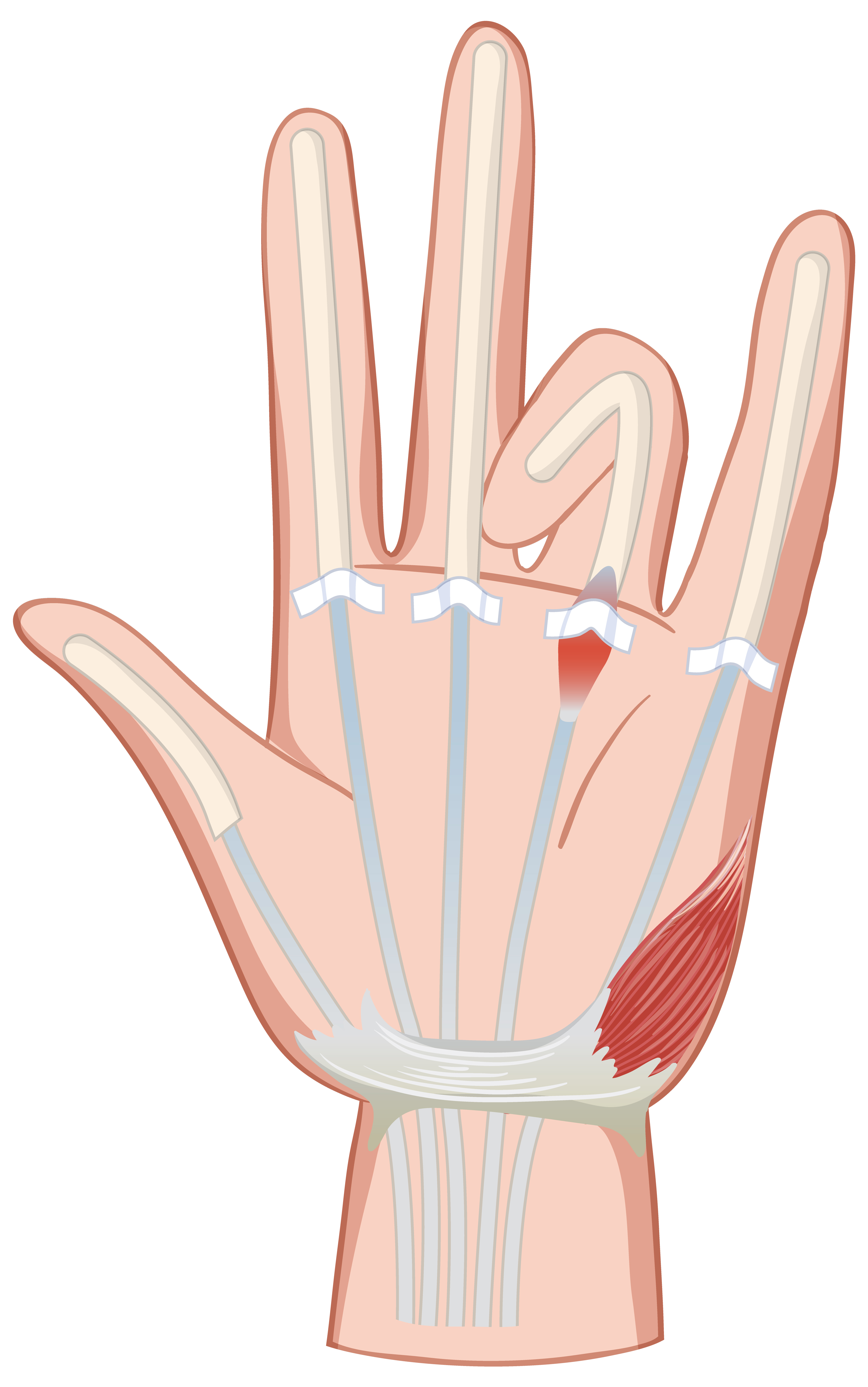
Carpal tunnel syndrome develops when the median nerve — which runs from the forearm into the palm of the hand — becomes compressed or irritated inside the carpal tunnel. That tunnel is formed by the small carpal bones of the wrist on three sides and a tough band of connective tissue called the transverse carpal ligament on the other. When anything inside that narrow space swells or shifts, pressure on the nerve increases, and symptoms begin.
There are many contributing factors to this condition. Repetitive hand and wrist motions are among the most commonly recognized triggers — particularly those that involve flexing or extending the wrist over and over again. Assembly line workers, office workers who type for long hours, musicians, and even those who regularly use vibrating hand tools can all be vulnerable. That said, repetitive motion alone doesn’t tell the whole story.
Posture and spinal alignment also play a role that many people overlook. The median nerve doesn’t originate at the wrist — it traces all the way back to nerve roots in the cervical spine (your neck). When there is dysfunction or misalignment in the neck or upper thoracic spine, it can create what’s known as a “double crush” phenomenon, where the nerve is compromised at more than one point along its path. This is one of the reasons Dr. Timothy Douglass takes a whole-body approach when evaluating patients with carpal tunnel symptoms — because addressing only the wrist may miss part of the picture.
Other contributing factors include conditions like diabetes, thyroid disorders, rheumatoid arthritis, pregnancy-related fluid retention, and even obesity. In some cases, the anatomical structure of the carpal tunnel itself may simply be narrower than average, making a person inherently more susceptible.
Recognizing the Symptoms
Carpal tunnel syndrome tends to develop gradually, and many people dismiss the early signs as simple tiredness or overuse. The most classic symptom is numbness or tingling in the thumb, index finger, middle finger, and the inner half of the ring finger — the territory supplied by the median nerve. The little finger is typically not affected, and that distinction can actually help clinicians differentiate CTS from other conditions.
Pain is another hallmark symptom. It can range from a dull ache in the wrist and hand to a sharp, burning sensation that travels up the forearm. Many patients here on the Emerald Coast describe being woken up at night by this sensation, which tends to worsen when the wrist is bent for prolonged periods — like during sleep. Shaking the hand out often provides temporary relief, and this pattern is considered quite characteristic of carpal tunnel syndrome.
In more advanced or long-standing cases, weakness in the hand becomes apparent. People may notice they’re dropping objects more frequently, struggling to perform fine motor tasks, or finding it harder to grip things firmly. Muscle wasting at the base of the thumb (a condition called thenar atrophy) can develop if the compression is severe and left unaddressed for too long. That’s why early evaluation matters so much.
How Chiropractic Care Fits In
When most people think of chiropractic care, they picture back and neck adjustments — and those are certainly central to what we do. But chiropractic care encompasses a broader approach to the musculoskeletal and nervous systems, and that scope naturally extends to conditions like carpal tunnel syndrome.
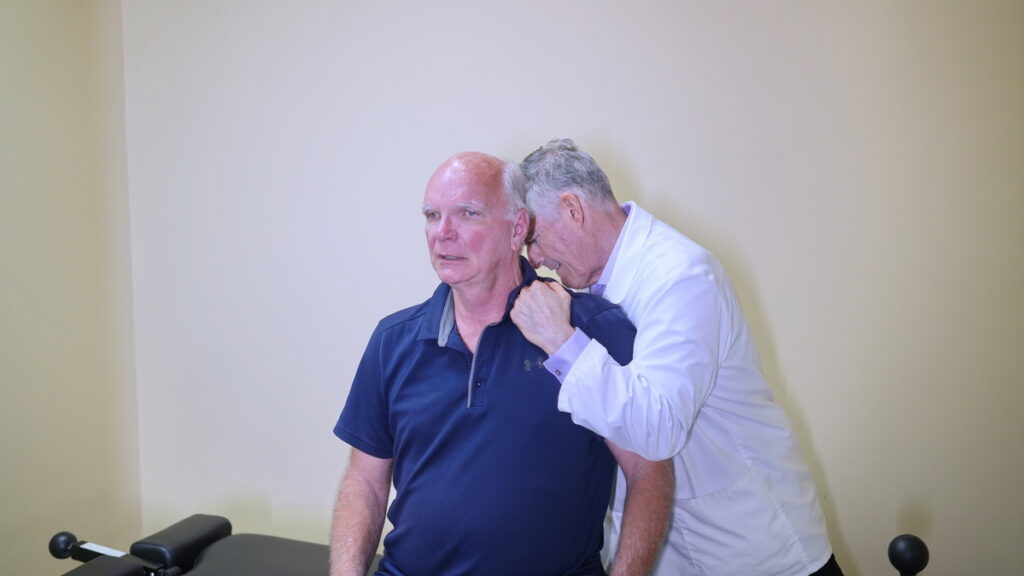
At Douglass Chiropractic in Destin, Dr. Timothy Douglass evaluates each patient as a whole person, not just as a set of symptoms. A thorough assessment looks at the wrist itself, but also the elbow, shoulder, and cervical spine — because all of these structures can influence how the median nerve functions. If there’s restricted motion in any of these areas, or if spinal misalignment is contributing to nerve irritation, addressing those underlying issues can meaningfully reduce the burden on the wrist.
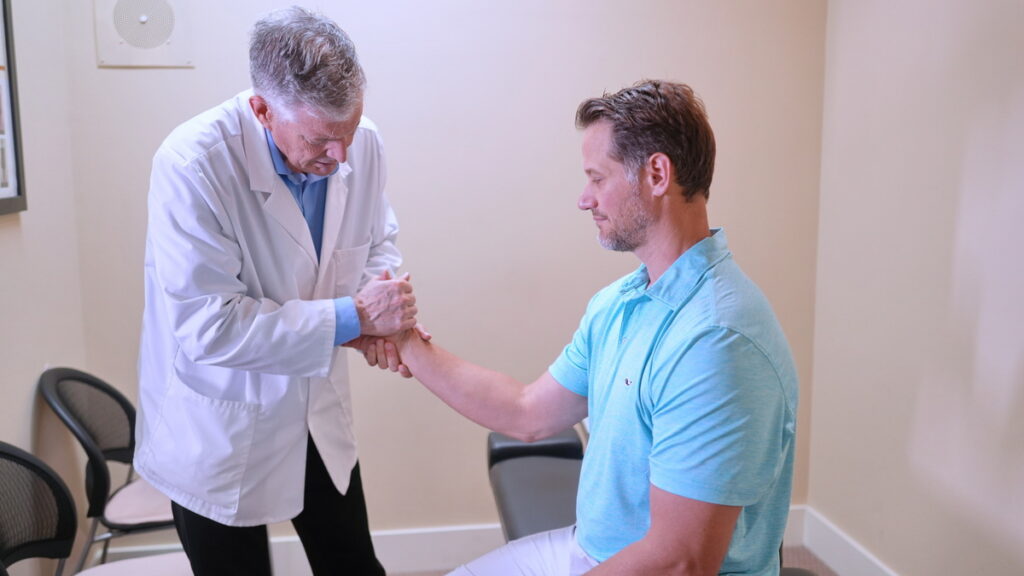
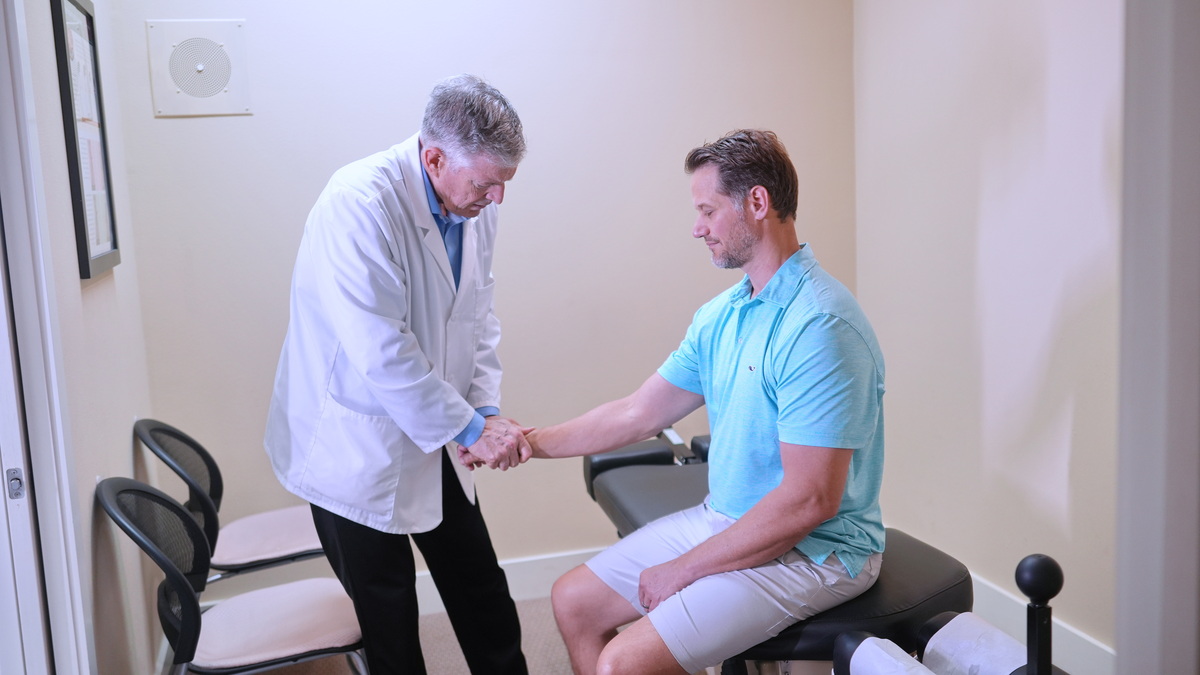
Chiropractic adjustments to the wrist and hand can help restore proper joint mechanics and reduce localized nerve pressure. Evidence in the conservative care literature suggests that manual therapy, including joint mobilization and manipulation of the wrist and cervical spine, may help improve function and reduce symptoms in people with carpal tunnel syndrome. The American Chiropractic Association and other professional organizations recognize carpal tunnel as a condition within the scope of chiropractic care.
What makes Dr. Timothy Douglass’s approach distinctive is that it doesn’t rely on a one-size-fits-all protocol. Over more than 30 years of practice, he has developed and refined his own adjusting techniques — techniques that patients across the Emerald Coast consistently describe as unlike anything they’ve experienced elsewhere. These methods are gentle enough for the whole family, yet precise enough to address the kinds of complex, layered issues that often underlie chronic carpal tunnel complaints.
In addition to spinal and wrist adjustments, care may incorporate soft tissue work to address muscular tension in the forearm and wrist flexors, as well as guidance on ergonomics, movement patterns, and activity modifications. The goal is always to support the body’s natural ability to heal and function — without drugs, injections, or surgery.
Practical Tips for Managing Carpal Tunnel
While professional evaluation is always the best first step, there are several things you can do in your daily life to help manage carpal tunnel symptoms and reduce flare-ups. These recommendations are consistent with conservative care principles and complement chiropractic treatment well.
First, pay close attention to your wrist position during work or activities. Keeping the wrist in a neutral position — not flexed forward or bent backward — significantly reduces pressure inside the carpal tunnel. If you work at a computer, ensure your keyboard and mouse are positioned so your wrists stay relatively flat and relaxed. An ergonomic keyboard or wrist rest can make a real difference over the course of a workday.
Taking regular movement breaks is equally important. The tissues inside the carpal tunnel don’t respond well to sustained, static positions. Every 30 to 45 minutes, pause and gently move your fingers, flex and extend your wrists, and allow your hands and forearms a moment of rest. Small interruptions in repetitive patterns can significantly reduce the cumulative stress on the median nerve.
Sleeping with the wrist in a neutral position is another practical step. Many people unconsciously curl their wrists under their pillow or bend them sharply during sleep, which compresses the tunnel for hours at a time. A neutral wrist splint worn at night can help hold the joint in the right position while you rest. Talk to Dr. Timothy Douglass about whether a splint makes sense for your specific situation.
Finally, be mindful of the activities and tools that seem to worsen your symptoms. Prolonged gripping, vibrating tools, or working with the wrist forcefully bent are all known aggravators. Modifying how you approach these tasks — or using adaptive tools when available — can meaningfully reduce symptom burden between chiropractic visits.
When to See a Chiropractor
If you’ve been experiencing numbness, tingling, or pain in your hand and wrist that lingers for more than a few days — especially if it’s waking you up at night — it’s worth getting evaluated. Early intervention tends to produce better outcomes, and carpal tunnel syndrome is no exception. The longer the median nerve is under sustained pressure, the more difficult recovery can become.
Chiropractic care is particularly well-suited for people in the early to moderate stages of carpal tunnel syndrome, those who want to avoid surgery or medication, those who have already tried wrist splinting without sufficient relief, and those whose symptoms seem to also involve the neck, shoulder, or elbow. If you’re in the Destin area and aren’t sure whether your symptoms fit this picture, coming in for an evaluation at Douglass Chiropractic is a low-risk, informative first step.
There are also situations where chiropractic care alone may not be sufficient, and Dr. Timothy Douglass will always be transparent about that. Severe muscle wasting at the base of the thumb, rapidly progressing weakness, or complete loss of sensation may warrant specialist referral or nerve conduction studies to better understand the degree of damage. Red flags like those should prompt prompt medical attention. Chiropractic care is a powerful conservative approach, but it works best as part of a coordinated, patient-centered care plan.
Treatment Approaches: A Comparison
|
Approach |
How It Works |
Pros |
Considerations |
|---|---|---|---|
|
Chiropractic Care |
Manual adjustments to wrist, spine, and soft tissue to reduce nerve compression and restore joint mechanics |
Non-invasive, drug-free, whole-body focus, individualized |
Best for mild to moderate CTS; may be combined with other therapies |
|
Wrist Splinting |
Holds the wrist in a neutral position to reduce pressure on the median nerve |
Simple, low-cost, especially helpful at night |
Manages symptoms but doesn’t address underlying causes |
|
Corticosteroid Injections |
Reduces inflammation inside the carpal tunnel temporarily |
Fast-acting relief, useful for diagnostic clarity |
Effects may be temporary; doesn’t correct mechanical dysfunction |
|
Surgery (Carpal Tunnel Release) |
Cuts the transverse carpal ligament to enlarge the tunnel |
Highly effective for severe or long-standing CTS |
Invasive, requires recovery time, best reserved for advanced cases |
|
NSAIDs / Medication |
Reduces pain and inflammation systemically |
Accessible, quick symptom relief |
Doesn’t treat the structural cause; long-term use carries risks |
Myths vs. Facts About Carpal Tunnel Syndrome
Myth: Carpal tunnel syndrome only affects people who type all day.
Fact: While prolonged typing is a well-known risk factor, carpal tunnel syndrome affects a wide range of people — including assembly workers, musicians, mechanics, and those with certain medical conditions like diabetes or hypothyroidism. The condition is related to how the wrist is used and positioned, not typing alone.
Myth: Surgery is the only real solution for carpal tunnel syndrome.
Fact: Surgery is one option, and it is often effective for severe cases — but it is not the only path forward. Research suggests that conservative approaches, including chiropractic care, physical therapy, splinting, and ergonomic modifications, can provide meaningful relief for many people with mild to moderate carpal tunnel syndrome.
Myth: If your symptoms go away on their own, you’re in the clear.
Fact: Intermittent symptoms can give the impression that the problem has resolved, but underlying nerve compression may still be present. Without addressing the mechanical and postural factors contributing to the compression, symptoms often return — sometimes worse than before.
Myth: Carpal tunnel syndrome is purely a wrist problem.
Fact: The median nerve originates from the cervical spine and travels through the shoulder, elbow, forearm, and wrist before reaching the hand. Dysfunction at any point along that path — including spinal misalignment — can contribute to symptoms. This is why a whole-body evaluation is so important.
Myth: Chiropractic care is only for back and neck pain.
Fact: Chiropractic care addresses the entire musculoskeletal and nervous system. Chiropractors are trained to evaluate and care for a range of conditions beyond the spine, including extremity conditions like carpal tunnel syndrome. At Douglass Chiropractic, patients come in for a wide variety of concerns — and leave with care plans tailored to their whole health picture.
Final Thoughts from Douglass Chiropractic
Living with carpal tunnel syndrome doesn’t have to mean resigning yourself to constant discomfort or rushing toward surgery. The path from pain to progress is often more accessible than it seems — especially when you have a trusted, experienced provider in your corner who genuinely takes the time to understand what’s driving your symptoms.
Here in Destin, the team at Douglass Chiropractic has been serving the Emerald Coast community since 2009. Dr. Timothy Douglass has spent more than 30 years refining his approach to chiropractic care, developing techniques that are gentle, precise, and consistently described by patients as unlike anything they’ve experienced elsewhere. Whether you’re a local resident or someone visiting our beautiful stretch of the Gulf Coast, you deserve care that actually gets to the root of the problem — not just a temporary fix.
If you’re dealing with hand numbness, wrist pain, or any of the symptoms we’ve discussed in this article, we warmly encourage you to reach out. Getting evaluated is a simple, non-invasive first step — and it could make all the difference. We’ve got your back. And your wrist. And everything in between.
Frequently Asked Questions
Can chiropractic care actually help carpal tunnel syndrome?
Evidence suggests that chiropractic care, including spinal and wrist adjustments and soft tissue therapy, can help reduce symptoms associated with carpal tunnel syndrome — particularly in mild to moderate cases. It works best when the underlying mechanical contributors, including spinal alignment and posture, are also addressed.
How long does it take to see improvement with chiropractic treatment for carpal tunnel?
This varies from person to person depending on the severity and duration of the condition, as well as individual health factors. Some patients notice improvement within a few visits, while others benefit from a longer course of care. Dr. Timothy Douglass will give you a realistic assessment based on your specific evaluation.
Is carpal tunnel syndrome permanent?
Not necessarily. Many people recover fully with conservative care, especially when the condition is caught early and contributing factors like posture, ergonomics, and spinal alignment are addressed. In more advanced cases, some residual changes to the nerve may persist, which is why early evaluation is so important.
Should I avoid using my hand if I have carpal tunnel syndrome?
Complete rest is generally not recommended — it can lead to stiffness and weakness. The goal is to modify activities that aggravate symptoms, maintain gentle movement, and avoid positions that compress the carpal tunnel. Your chiropractor can guide you on what’s appropriate for your stage of recovery.
Can carpal tunnel symptoms come from the neck?
Yes. The median nerve traces back to the cervical spine, and dysfunction or misalignment in the neck can contribute to symptoms that feel like carpal tunnel syndrome — or worsen existing CTS through a double crush mechanism. A thorough chiropractic evaluation will assess the entire nerve pathway, not just the wrist.
What’s the difference between carpal tunnel syndrome and other hand or wrist conditions?
Carpal tunnel syndrome specifically involves compression of the median nerve, producing a distinct pattern of numbness and tingling in the thumb, index, middle, and part of the ring finger. Other conditions — like cubital tunnel syndrome, tendinitis, or trigger finger — affect different structures and produce different symptom patterns. Accurate diagnosis is the essential first step.
TL;DR Summary
-
Carpal tunnel syndrome is caused by compression of the median nerve in the wrist, producing numbness, tingling, and pain in the hand — often worsening at night.
-
Contributing factors include repetitive wrist motions, poor posture, spinal misalignment in the neck, and certain health conditions.
-
Chiropractic care — including wrist and spinal adjustments, soft tissue therapy, and ergonomic guidance — can offer meaningful, non-invasive relief for mild to moderate CTS.
-
Early evaluation leads to better outcomes; waiting too long can allow nerve compression to cause more lasting damage.
-
At Douglass Chiropractic in Destin, FL, Dr. Timothy Douglass takes a whole-body, personalized approach to carpal tunnel care — addressing root causes, not just symptoms.