
Shoulder pain is one of those problems that sneaks up on you. Maybe it started as a minor ache after a round of golf or a long day on the water. Then one morning you reach for your coffee mug and realize something is genuinely wrong. Here on the Emerald Coast, we see this pattern often at Douglass Chiropractic in Destin, FL — and the good news is that most shoulder pain responds very well to conservative, non-invasive care. Understanding how physical therapy and rehabilitation fit into your recovery is the first step toward getting your life back.
What is shoulder pain rehabilitation? Shoulder pain rehabilitation refers to a structured, non-surgical approach to restoring strength, mobility, and function to a painful or injured shoulder. It typically involves a combination of manual therapy, targeted exercises, and posture correction — all aimed at addressing the root cause of pain rather than simply masking it.
Understanding Shoulder Pain and Why It Happens
The shoulder is the most mobile joint in the human body. That extraordinary range of motion — the ability to reach overhead, behind your back, and in nearly every direction — comes with a tradeoff. Greater mobility means greater complexity, and greater complexity means more opportunities for something to go wrong.
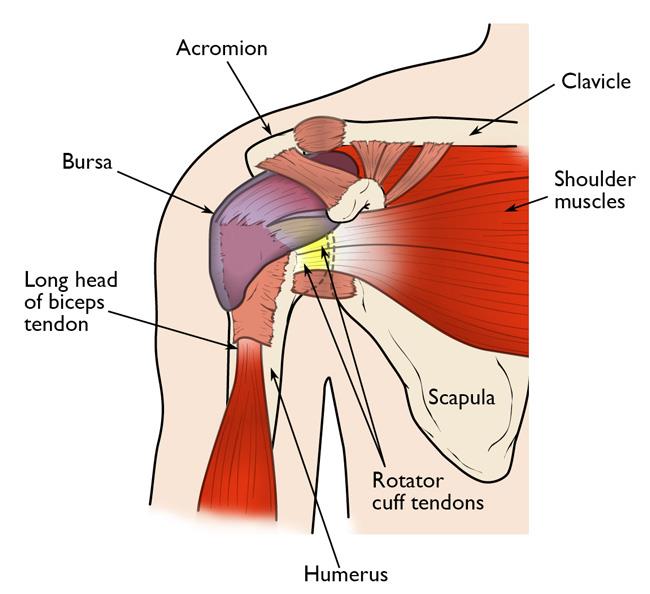
The shoulder is actually made up of several connected structures: the glenohumeral joint (the ball-and-socket), the acromioclavicular joint, the rotator cuff (a group of four muscles and tendons), the bursa, and an intricate web of ligaments and nerves. When any one of these structures is strained, inflamed, or misaligned, it can create pain that spreads through the entire shoulder — and sometimes down the arm or into the neck.
What makes shoulder pain especially frustrating is how interconnected it is with your daily life. Sleeping, driving, lifting groceries, paddleboarding on the Gulf — nearly every activity involves your shoulder in some way. That’s why getting a proper evaluation and starting an appropriate rehabilitation program matters so much. Ignoring shoulder pain rarely makes it better, and often makes it worse over time.
Common Causes of Shoulder Pain
At Douglass Chiropractic, Dr. Timothy Douglass evaluates each patient individually because shoulder pain rarely has a single, simple cause. That said, certain patterns come up again and again among patients here in Destin and across the Emerald Coast.
Rotator Cuff Injuries are among the most common sources of shoulder pain. The rotator cuff can become strained or torn through repetitive overhead activity, a sudden fall, or simply years of wear. Pain is often felt on the outer side of the shoulder and tends to worsen when lifting the arm above shoulder height.
Shoulder Impingement Syndrome occurs when the tendons of the rotator cuff become pinched or compressed beneath the bony arch of the shoulder (the acromion). This creates inflammation, pain, and a limited range of motion — especially when reaching upward or across the body.
Frozen Shoulder (Adhesive Capsulitis) is a condition where the connective tissue around the shoulder joint thickens and tightens, leading to severe stiffness. It can develop gradually after an injury, after a period of immobility, or sometimes for no obvious reason at all.
Cervicogenic Shoulder Pain is shoulder pain that originates in the neck rather than the shoulder itself. Nerve irritation or joint dysfunction in the cervical spine can refer pain, tingling, or weakness into the shoulder and arm. This is an area where chiropractic evaluation can be especially valuable, since it’s often missed by providers who focus solely on the shoulder.
Postural Strain is becoming increasingly common. Prolonged sitting with rounded shoulders — whether at a desk, in a car, or on a phone — places chronic stress on the muscles and joints of the upper back and shoulder. Over time, this leads to muscle imbalances, irritated tendons, and real, persistent pain.
How Physical Therapy and Rehabilitation Address Shoulder Pain
Physical therapy and rehabilitation for shoulder pain isn’t about doing a handful of generic exercises and hoping for the best. A well-designed rehabilitation program is targeted, progressive, and responsive to how your body is actually healing.
The early phase of rehabilitation typically focuses on reducing inflammation and pain while restoring basic range of motion. Gentle, controlled movements help prevent further stiffening and keep blood flowing to the injured area. Manual therapy during this phase can help release tight muscles and improve joint mobility.
As pain decreases and movement improves, the focus shifts toward rebuilding strength — particularly in the rotator cuff and the muscles that stabilize the shoulder blade (called the scapular stabilizers). These muscles are critical for protecting the shoulder during everyday activities. When they are weak or poorly coordinated, even simple movements can cause strain.
The later stages of rehabilitation emphasize functional movement — training the shoulder to work the way it needs to for your specific life. That might mean returning to swinging a golf club, casting a fishing line, or simply reaching overhead without pain. The evidence supporting structured rehabilitation for shoulder conditions is well-established. Research published through sources such as the Cochrane Library and supported by clinical guidelines from organizations like NICE and the American College of Physicians consistently indicates that exercise-based rehabilitation is among the most effective non-surgical treatments for common shoulder conditions.
One thing that sets a truly effective rehabilitation program apart is individualization. A generic exercise sheet handed out at a clinic is not rehabilitation. Real rehabilitation involves a thorough assessment, a personalized care plan, and adjustments along the way based on your progress.
How Chiropractic Care Fits Into Shoulder Pain Recovery
Many people think of chiropractic care as something that only addresses back or neck problems. In reality, chiropractic evaluation and treatment can play a meaningful role in shoulder pain recovery — especially when the shoulder is not the only structure involved.
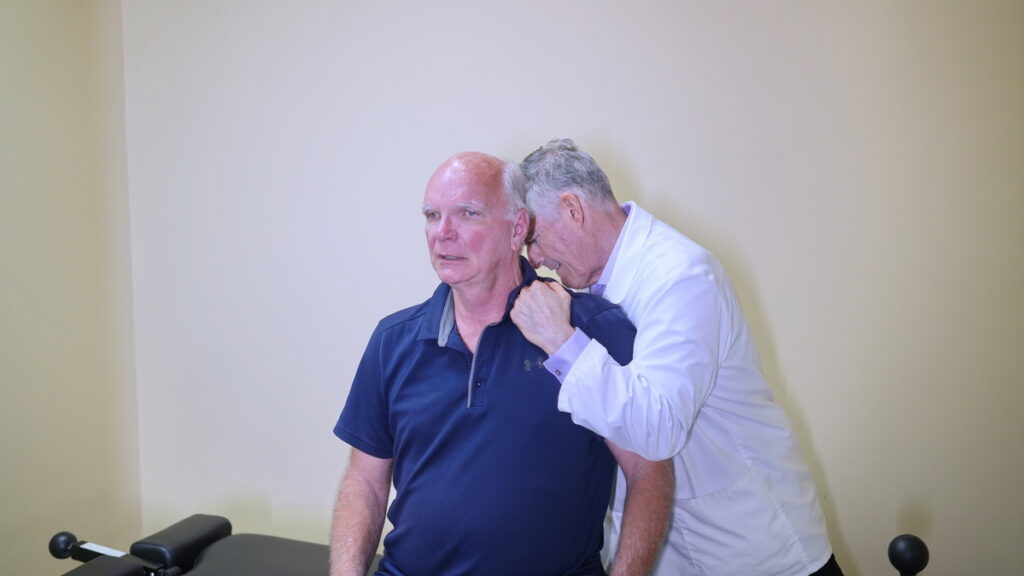
Dr. Timothy Douglass takes a whole-body approach to shoulder pain. Because the shoulder, neck, and thoracic spine all work together as a functional unit, dysfunction in one area often contributes to problems in another. A chiropractic evaluation looks at the entire picture: how the cervical and thoracic spine are moving, whether nerve function is being compromised, how the shoulder blade is tracking, and how posture is affecting the whole system.
Chiropractic adjustments to the neck and upper back can help restore proper joint mechanics, reduce nerve irritation, and improve the neurological signals that coordinate shoulder muscle function. This is not a replacement for rehabilitation exercises — it’s a complement to them. When the spine and shoulder girdle are moving well together, rehabilitation exercises become more effective and healing tends to progress more smoothly.
Over more than 30 years in practice, Dr. Timothy Douglass has developed his own adjusting techniques that patients consistently describe as unlike anything they’ve experienced elsewhere. These approaches are gentle enough to use even in the early stages of shoulder injury, yet effective enough to address the underlying joint and nerve dysfunction that keeps many patients stuck in pain cycles. At Douglass Chiropractic in Destin, FL, the focus is never on a one-size-fits-all protocol — every care plan is built around the individual patient, their specific condition, and their goals.
Practical Tips for Supporting Your Shoulder Recovery
There is a lot you can do at home to support your shoulder rehabilitation and help protect your shoulder from further strain. These aren’t quick fixes — they are habits that support long-term healing when practiced consistently.
First, pay attention to how you sleep. Sleeping on the affected shoulder compresses the joint and can significantly slow down healing. Many patients find relief by sleeping on their back with a pillow supporting the arm, or on the opposite side with a pillow tucked in front of their chest to keep the shoulder from rolling forward.
Second, address your posture proactively. Rounded shoulders are a major contributing factor to shoulder impingement and rotator cuff problems. Try to keep your shoulder blades gently drawn back and down throughout the day, especially when sitting at a desk or looking at a screen. Small reminders — like a sticky note on your monitor — can make a real difference over time.
Third, avoid the temptation to completely rest the shoulder. While it’s important to protect an injured shoulder from aggravating activities, total immobility can lead to stiffness and muscle loss. Gentle, pain-free movement is generally better than complete rest unless your provider has advised otherwise.
Finally, stay consistent with any exercises prescribed by your care team. The research is clear that the benefits of shoulder rehabilitation exercises compound over time. Missing sessions interrupts that process and can set recovery back significantly.
When to See a Chiropractor for Shoulder Pain
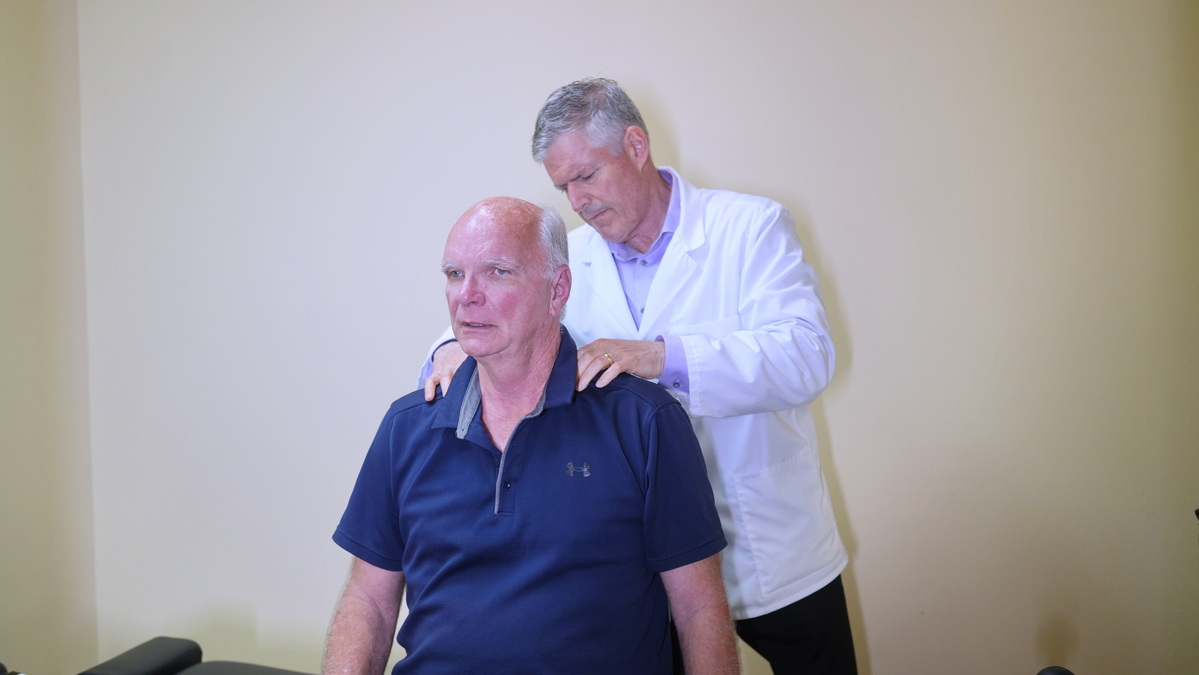
If your shoulder pain has lasted more than a week or two without improvement, that’s a strong signal to seek professional evaluation. Early assessment helps identify what’s actually going on and prevents small problems from becoming larger ones.
You should also seek care if your shoulder pain is affecting your sleep, limiting your ability to work or exercise, or causing numbness or tingling down your arm. These are signs that the nervous system may be involved and that a thorough chiropractic evaluation — including assessment of the neck and upper back — is warranted.
There are some situations where shoulder pain requires a referral to another provider. Seek immediate medical attention if your shoulder pain follows a significant trauma (such as a fall or collision), if you notice visible deformity in the shoulder, if you have sudden severe weakness in the arm, or if you experience pain in the shoulder accompanied by chest pain or shortness of breath — these can indicate a cardiac event and are medical emergencies.
For the vast majority of shoulder pain patients, conservative chiropractic care combined with rehabilitation is a safe and appropriate starting point. At Douglass Chiropractic, Dr. Timothy Douglass always conducts a thorough evaluation before recommending any course of care, and will refer out when a patient’s condition falls outside of the chiropractic scope of practice.
Shoulder Pain Causes vs. Rehabilitation Approaches
|
Cause of Shoulder Pain |
Primary Rehabilitation Focus |
Role of Chiropractic Care |
|---|---|---|
|
Rotator Cuff Strain or Tear |
Rotator cuff strengthening, range of motion restoration, gradual functional loading |
Reduce surrounding joint restriction; address thoracic and cervical mechanics |
|
Shoulder Impingement Syndrome |
Scapular stabilization, posture correction, overhead movement retraining |
Improve shoulder girdle alignment; reduce nerve irritation from upper spine |
|
Frozen Shoulder (Adhesive Capsulitis) |
Gentle progressive mobility work, manual therapy, pain management strategies |
Maintain cervical and thoracic mobility; support nervous system function |
|
Cervicogenic Shoulder Pain |
Neck mobility restoration, postural retraining, nerve-flossing techniques |
Primary role — cervical spine adjustment directly targets the source |
|
Postural Strain |
Upper back and shoulder strengthening, ergonomic education, habit change |
Thoracic and cervical adjustments to restore proper mechanics and reduce strain |
Myths vs. Facts About Shoulder Pain Treatment
Myth: If it hurts, you should stop moving it completely.
Fact: Complete immobilization of the shoulder can actually make recovery harder. While rest from aggravating activities is important, gentle, controlled movement helps maintain circulation, prevent stiffness, and support tissue healing. A qualified provider can help you understand exactly which movements to avoid and which to continue.
Myth: Shoulder pain always means you have a torn rotator cuff.
Fact: There are many possible causes of shoulder pain, and not all of them involve tissue tears. Impingement, bursitis, postural strain, and nerve irritation from the neck are all common causes that do not involve structural tearing. A proper evaluation is the only reliable way to understand what is actually causing your shoulder pain.
Myth: You need an MRI before starting treatment.
Fact: Clinical guidelines from organizations like the American College of Physicians generally recommend starting with conservative care for most shoulder complaints rather than immediately pursuing imaging. Imaging is valuable in specific situations — particularly when a significant structural injury is suspected — but it is not a prerequisite for beginning a well-designed rehabilitation program.
Myth: Chiropractic care is only for back pain and can’t help with shoulder problems.
Fact: Chiropractors are trained to evaluate and address musculoskeletal problems throughout the body, including the shoulder girdle, neck, and thoracic spine. For shoulder pain with a cervical or postural component, chiropractic care can be especially effective because it addresses the underlying mechanical dysfunction contributing to the pain.
Myth: Surgery is eventually inevitable for serious shoulder pain.
Fact: Research consistently indicates that many shoulder conditions — including rotator cuff injuries and impingement syndrome — respond very well to conservative, non-surgical care. Surgery is appropriate in certain cases, but for the majority of patients, structured rehabilitation and chiropractic care can produce meaningful, lasting improvement without going under the knife.
Final Thoughts from Douglass Chiropractic
Shoulder pain doesn’t have to be something you just live with. Whether it came on suddenly after a weekend activity on the water or has been building gradually over months of desk work, there are effective, non-invasive options available to help you heal. The key is getting a thorough evaluation, understanding the root cause, and following a care plan that’s built around your body and your life — not a generic template.
Here at Douglass Chiropractic in Destin, FL, that individualized approach is at the heart of everything Dr. Timothy Douglass does. Since opening our doors in 2009, we’ve helped families across the Emerald Coast find lasting relief from shoulder pain, neck pain, back pain, and the injuries that come with living an active coastal life. Our reputation in this community has been built one patient at a time — through results, through trust, and through genuinely caring about each person who walks through our door.
If you’re dealing with shoulder pain that isn’t getting better on its own, you don’t have to guess at what to do next. A conversation with Dr. Timothy Douglass is a great place to start. We’ve got your back — and your shoulder.
Frequently Asked Questions
How long does shoulder pain rehabilitation typically take?
Recovery time varies widely depending on the cause and severity of the shoulder problem. Mild postural strain may improve significantly in a few weeks, while conditions like frozen shoulder can take several months of consistent rehabilitation. Dr. Timothy Douglass will give you a realistic picture of your expected recovery timeline after a thorough evaluation.
Can a chiropractor treat shoulder pain directly, or do I need to see a physical therapist?
Chiropractors are trained to evaluate and treat many types of shoulder pain, particularly when it involves spinal or postural components. At Douglass Chiropractic, care is individualized to each patient, and Dr. Timothy Douglass may incorporate rehabilitation-style exercises alongside chiropractic adjustments. In some cases, co-management with another provider may be recommended.
Is shoulder pain related to neck pain?
Yes, frequently. The nerves that supply the shoulder originate in the cervical spine (neck), meaning dysfunction or irritation in the neck can produce pain, weakness, or tingling in the shoulder and arm. This pattern — called cervicogenic shoulder pain — is one reason a chiropractic evaluation of the full neck and upper back is so valuable when shoulder pain is present.
What exercises are good for shoulder pain?
The right exercises depend entirely on the specific cause of your shoulder pain, which is why we always recommend a professional evaluation before starting a self-directed exercise program. In general, exercises that strengthen the rotator cuff and scapular stabilizers are foundational for most shoulder conditions — but performing them with improper form or too aggressively can worsen symptoms.
Will my shoulder pain come back after rehabilitation?
For many patients, shoulder pain does not return after completing a well-designed rehabilitation program — especially when they maintain the postural habits and movement patterns learned during recovery. Recurrence is more likely when the underlying cause (such as poor ergonomics or muscle imbalances) is not fully addressed.
How do I know if my shoulder pain is serious enough to see a chiropractor?
If your shoulder pain has persisted for more than one to two weeks, is affecting your sleep or daily activities, or involves numbness or tingling in the arm, it is worth seeking an evaluation. Early assessment at Douglass Chiropractic in Destin can help identify what’s causing your pain and determine the most appropriate path to recovery.
TL;DR — Key Takeaways
-
Shoulder pain is often caused by rotator cuff problems, impingement, frozen shoulder, postural strain, or nerve irritation from the neck — and each requires a targeted approach.
-
Physical therapy and rehabilitation are among the most evidence-supported, non-surgical treatments for shoulder pain, focusing on restoring strength, mobility, and function.
-
Chiropractic care complements rehabilitation by addressing spinal mechanics, nerve function, and postural imbalances that contribute to shoulder problems.
-
Most shoulder pain does not require surgery or imaging before beginning conservative care — but a thorough professional evaluation is essential.
-
Dr. Timothy Douglass at Douglass Chiropractic in Destin, FL offers individualized shoulder care built on 30+ years of experience.


