
If you work at a desk, you’re not alone. Millions of Americans spend the majority of their waking hours sitting—often in positions that place tremendous strain on the spine, muscles, and nervous system. While a desk job might seem harmless compared to physically demanding work, the truth is that prolonged sitting has become one of the most underestimated threats to musculoskeletal health in our modern world. Here in Destin, FL, we see countless patients at Douglass Chiropractic who are dealing with neck pain, low back discomfort, headaches, and postural changes—all stemming from hours spent at their desks. The good news? Understanding how sitting affects your body is the first step toward reclaiming your comfort, mobility, and long-term wellness.
What is the “Sitting Epidemic”?
The sitting epidemic refers to the widespread health consequences associated with sedentary behavior, particularly prolonged sitting during work hours. Research indicates that the average office worker sits for 9 to 11 hours per day, which places significant biomechanical stress on the spine and surrounding tissues. This chronic postural demand contributes to musculoskeletal dysfunction, reduced mobility, and increased discomfort over time.
Table of Contents
- Why Sitting Matters More Than You Think
- The Biomechanics of Sitting: What Happens to Your Body
- Common Health Concerns for Desk Workers
- How Chiropractic Care Can Help Desk Workers
- Practical Tips to Combat the Sitting Epidemic
- When to See a Chiropractor
- Comparison: Poor vs. Optimal Desk Setup
- Myths vs. Facts About Sitting and Posture
- Final Thoughts
Why Sitting Matters More Than You Think
Sitting might feel restful, but it’s anything but passive for your body. When you sit for extended periods, your body experiences a series of mechanical stresses that accumulate over time. Your hip flexors shorten and tighten. Your glutes weaken and become inactive. Your spinal discs compress under uneven pressure. Your shoulders round forward, and your neck juts ahead of your body’s natural center of gravity.
Evidence suggests that prolonged sitting is associated with increased rates of musculoskeletal complaints, including chronic low back pain, neck pain, and shoulder dysfunction. While sitting itself isn’t inherently dangerous, the problem arises when we do it for hours on end without variation, proper ergonomics, or movement breaks.
Here in Destin, many of our patients work remotely, in office settings, or in hybrid environments where they split time between home and traditional workspaces. Regardless of where you work, the effects of prolonged sitting are the same. Your body craves movement, variety, and alignment—all of which are disrupted by modern desk work.
The Biomechanics of Sitting: What Happens to Your Body
Understanding what happens to your body when you sit can help you appreciate why small changes make such a big difference. Let’s break it down system by system.
Spinal Alignment and Disc Pressure
When you sit, especially in a slouched or forward-leaning position, the natural curves of your spine flatten or exaggerate. Your lumbar spine loses its gentle inward curve. Your thoracic spine rounds excessively. This misalignment increases pressure on the intervertebral discs, particularly in the lower back.
Research has shown that sitting increases intradiscal pressure compared to standing or lying down. Over time, this chronic pressure can contribute to disc degeneration, bulging, or herniation. While not every desk worker will experience a disc injury, the cumulative stress increases vulnerability, especially when combined with poor posture or sudden movements.
Muscle Imbalances
Sitting creates predictable patterns of tightness and weakness. The hip flexors, which connect your thighs to your lower spine, remain shortened throughout the day. This tightness pulls on your pelvis and can contribute to anterior pelvic tilt, which places additional strain on your lower back.
Meanwhile, your glutes—the powerhouse muscles that stabilize your pelvis and support your spine—become inactive and weak. This is sometimes called “gluteal amnesia.” When your glutes don’t fire properly, other muscles compensate, leading to imbalances, poor movement patterns, and injury risk.
In the upper body, your chest muscles tighten while your upper back muscles stretch and weaken. This creates the classic “rounded shoulder” posture, which pulls your head forward and strains the muscles at the base of your skull.
Nervous System Impact
Your nervous system depends on proper spinal alignment to function optimally. When your posture shifts forward or your spine loses its natural curves, the spinal cord and nerve roots can experience tension or compression. This may contribute to symptoms like tingling, numbness, or radiating discomfort into the arms or legs.
Additionally, poor posture can affect your autonomic nervous system, which controls functions like digestion, circulation, and stress response. While more research is needed, some evidence suggests that postural stress may influence overall nervous system regulation.
Common Health Concerns for Desk Workers
Desk workers face a unique set of musculoskeletal challenges. Here are the most common complaints we see at Douglass Chiropractic:
Neck Pain and Tension Headaches
Forward head posture is one of the most damaging postural distortions caused by prolonged sitting. For every inch your head moves forward from its neutral position, it effectively adds 10 pounds of weight to your neck muscles. Imagine holding a bowling ball close to your chest versus holding it at arm’s length—the farther out it goes, the harder your muscles must work.
This chronic tension in the neck and upper shoulders can lead to muscle fatigue, stiffness, and tension-type headaches. Many patients describe a tight, achy sensation at the base of the skull or a band-like pressure around the forehead.
Low Back Pain
Low back pain is the most common musculoskeletal complaint among office workers. Sitting places your lumbar spine in a flexed position, which stretches the posterior ligaments and compresses the front of the spinal discs. Over time, this can lead to chronic discomfort, stiffness, and reduced mobility.
When you combine prolonged sitting with poor ergonomics—like a chair that doesn’t support your lumbar curve or a desk that’s too high or too low—the risk of developing low back pain increases significantly.
Shoulder and Upper Back Discomfort
Rounded shoulders and a forward head posture also strain the muscles between your shoulder blades. These muscles work overtime to prevent you from collapsing forward, leading to fatigue, trigger points, and chronic discomfort.
Additionally, typing and mouse use can contribute to shoulder impingement, rotator cuff strain, and conditions like thoracic outlet syndrome, where nerves and blood vessels become compressed in the shoulder region.
Hip and Glute Dysfunction
Sitting for long periods shortens your hip flexors and weakens your glutes. This can alter your walking pattern, reduce your hip mobility, and contribute to lower back pain. Some patients also develop piriformis syndrome, where a tight muscle deep in the hip compresses the sciatic nerve, causing buttock pain and radiating discomfort down the leg.
Reduced Mobility and Flexibility
Sitting all day gradually reduces your overall mobility. Your joints become stiff. Your muscles lose their elasticity. Simple movements like bending over to tie your shoes or reaching overhead become more difficult. This loss of functional movement can affect your quality of life and increase your risk of injury during everyday activities.
How Chiropractic Care Can Help Desk Workers
Chiropractic care offers a conservative, non-invasive approach to addressing the musculoskeletal consequences of prolonged sitting. At Douglass Chiropractic in Destin, FL, we focus on restoring proper spinal alignment, improving joint mobility, and helping patients understand how their daily habits affect their long-term health.
Spinal Adjustments
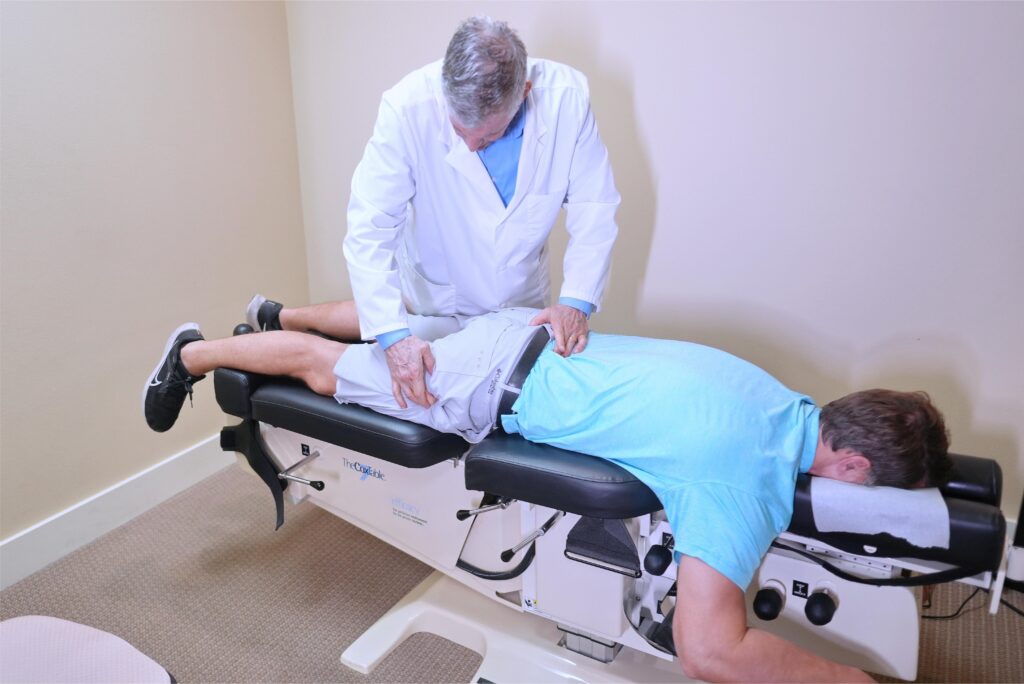
Chiropractic adjustments are designed to restore normal movement to spinal joints that have become restricted or misaligned. By improving joint function, adjustments can reduce pain, decrease muscle tension, and support better nervous system communication. Many desk workers notice immediate relief in areas like the neck, mid-back, and lower back after an adjustment.
Soft Tissue Therapy
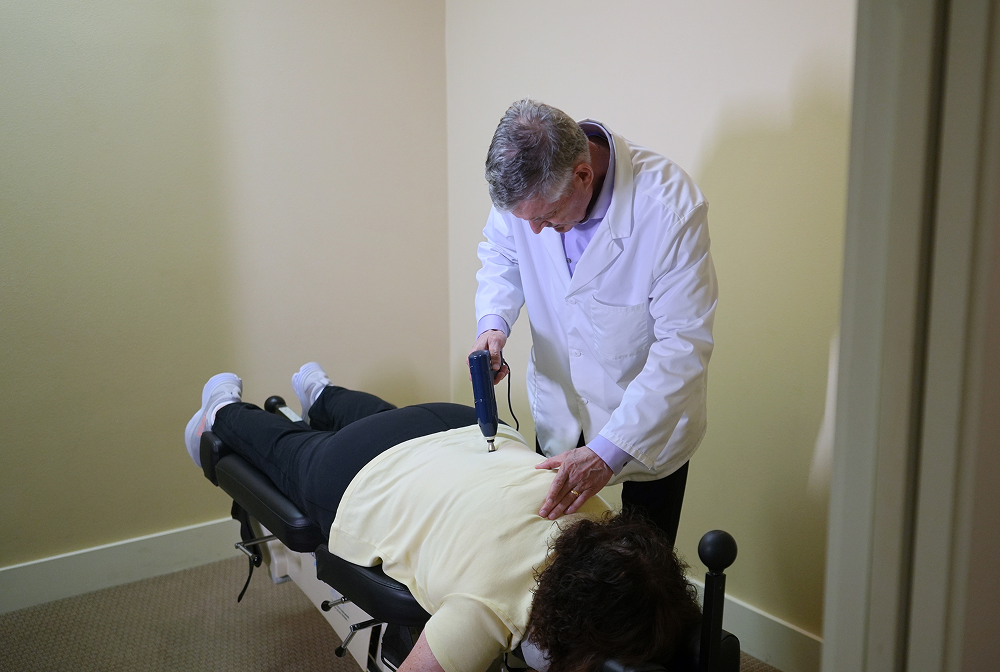
In addition to spinal adjustments, chiropractors often incorporate soft tissue techniques to address muscle tightness and trigger points. This might include manual therapy, myofascial release, or instrument-assisted techniques. These therapies help release tension in overworked muscles and restore balance to the musculoskeletal system.
Postural Assessment and Correction
A thorough postural assessment can identify specific imbalances and alignment issues unique to your body and work setup. At Douglass Chiropractic, we take the time to evaluate how you sit, where your screen is positioned, and how your workspace might be contributing to your discomfort. We then provide personalized recommendations to optimize your ergonomics.
Movement and Exercise Guidance
Chiropractic care isn’t just about adjustments—it’s about empowering you to take control of your health. We provide guidance on stretches, strengthening exercises, and movement strategies that counteract the effects of sitting. These might include hip flexor stretches, glute activation drills, thoracic mobility exercises, and neck retraction movements.
Individualized Care Plans
Every patient is different. Some desk workers come in with acute pain that requires more frequent visits initially. Others seek preventive care to maintain their alignment and mobility. We tailor your care plan to your specific needs, goals, and lifestyle, ensuring you receive the support that’s right for you.
Practical Tips to Combat the Sitting Epidemic
While chiropractic care can provide significant relief and support, the best approach is a combination of professional care and proactive self-care. Here are evidence-based strategies to reduce the impact of prolonged sitting:
Optimize Your Workspace Ergonomics
Your workstation setup plays a huge role in how your body feels at the end of the day. Start by adjusting your chair so your feet rest flat on the floor and your knees are at a 90-degree angle. Your lumbar spine should be supported by the chair’s backrest or a small lumbar cushion.
Position your monitor so the top of the screen is at or slightly below eye level. This keeps your head in a neutral position rather than tilted up or down. Your keyboard and mouse should be close enough that your elbows remain bent at 90 degrees and your shoulders stay relaxed.
Take Movement Breaks Every 30 Minutes
Set a timer to remind yourself to stand up, stretch, or walk around every 30 minutes. Even a brief movement break can reduce muscle fatigue and improve circulation. Stand up and reach overhead. Walk to the water cooler. Do a few shoulder rolls or neck stretches. These small actions add up over the course of the day.
Incorporate Standing or Walking Into Your Routine
Consider using a sit-stand desk or a desktop converter that allows you to alternate between sitting and standing. Standing isn’t a cure-all, but it does engage different muscle groups and reduce the static load on your spine. Aim to stand for 15 to 20 minutes out of every hour if possible.
If you take phone calls or attend virtual meetings, try doing them while standing or walking around your office or home. This keeps your body moving and prevents prolonged static postures.
Strengthen Your Glutes and Core
Weak glutes and core muscles are common among desk workers. Incorporate simple strengthening exercises into your routine, such as glute bridges, planks, bird dogs, and dead bugs. These exercises help counteract the muscle imbalances caused by sitting and support better spinal stability.
Stretch Your Hip Flexors and Chest
Tight hip flexors and chest muscles are hallmarks of prolonged sitting. Perform hip flexor stretches by kneeling on one knee and gently pushing your hips forward. Stretch your chest by standing in a doorway with your arms extended and leaning forward. Hold each stretch for 20 to 30 seconds and repeat daily.
Practice Proper Sitting Posture
When you sit, think about stacking your ears over your shoulders and your shoulders over your hips. Avoid slouching or leaning forward. Keep your feet flat on the floor and your back supported. While perfect posture all day isn’t realistic, being mindful of your alignment can reduce strain.
Stay Hydrated and Take Care of Your Overall Health
Hydration supports healthy disc function and muscle performance. Aim to drink water regularly throughout the day. Also, prioritize sleep, nutrition, and stress management—all of these factors influence how your body responds to the physical demands of desk work.
When to See a Chiropractor
If you’re a desk worker experiencing discomfort, you might wonder when it’s time to seek professional care. Here are some signs that chiropractic evaluation may be beneficial:
You experience persistent neck, back, or shoulder pain that doesn’t resolve with rest or home care. You notice headaches that seem related to your work posture or screen time. You feel stiffness or reduced mobility in your spine, hips, or shoulders. You have tingling, numbness, or radiating discomfort into your arms or legs. You want to prevent future problems and optimize your posture and movement patterns.
It’s also important to recognize red flags that warrant medical evaluation. Seek immediate medical attention if you experience severe pain, loss of bowel or bladder control, unexplained weight loss, fever, or pain that worsens at night. These symptoms may indicate conditions that require medical diagnosis and treatment beyond the scope of chiropractic care.
At Douglass Chiropractic in Destin, we’re here to help you determine whether chiropractic care is right for your situation. We take the time to listen to your concerns, perform a thorough evaluation, and explain your options in clear, understandable terms.
Comparison: Poor vs. Optimal Desk Setup
| Element | Poor Setup | Optimal Setup |
|---|---|---|
| Monitor Position | Too low or too high, causing neck flexion or extension | Top of screen at or slightly below eye level |
| Chair Height | Feet dangling or knees higher than hips | Feet flat on floor, knees at 90 degrees |
| Lumbar Support | No support, causing slouching or flattened lumbar curve | Backrest or cushion supporting natural lumbar curve |
| Keyboard/Mouse | Too far away, causing forward reaching and shoulder strain | Close enough to keep elbows at 90 degrees, shoulders relaxed |
| Head Position | Forward head posture, chin jutting out | Ears aligned over shoulders, chin slightly tucked |
| Movement | Sitting for hours without breaks | Standing or stretching every 30 minutes |
Myths vs. Facts About Sitting and Posture
Myth: There’s One “Perfect” Posture You Should Hold All Day
Fact: While good alignment is important, no single posture is healthy if maintained for hours without movement. The best posture is your next posture—meaning you should change positions regularly throughout the day. Dynamic movement and postural variety are more important than rigidly holding one position.
Myth: Standing Desks Solve All the Problems of Sitting
Fact: Standing desks can be helpful, but standing all day has its own challenges, including leg fatigue and potential stress on the lower back and feet. The key is alternating between sitting and standing and incorporating movement breaks. A sit-stand desk used strategically is more beneficial than either extreme alone.
Myth: You Only Need Chiropractic Care If You’re in Pain
Fact: Many people seek chiropractic care for pain relief, but chiropractic is also valuable for prevention and performance. Regular chiropractic adjustments can help maintain spinal mobility, correct postural imbalances before they cause symptoms, and support overall musculoskeletal health. Proactive care is often easier and more effective than reactive care.
Myth: Sitting Is as Bad as Smoking
Fact: While this comparison has gained popularity, it’s an oversimplification. Prolonged sitting is associated with musculoskeletal issues and some metabolic concerns, but the risks are not equivalent to smoking. That said, sedentary behavior is a legitimate health concern, and taking steps to move more and sit less is a smart choice for long-term wellness.
Myth: If You Exercise Regularly, You Don’t Need to Worry About Sitting
Fact: Exercise is incredibly important, but it doesn’t fully offset the effects of prolonged sitting. Research indicates that even individuals who meet exercise guidelines can experience negative health effects if they sit for most of the day. The solution is a combination of regular exercise, movement breaks, and better ergonomics throughout your workday.
Final Thoughts
The sitting epidemic is real, but it’s not a life sentence. By understanding how prolonged sitting affects your body and taking proactive steps to counteract those effects, you can protect your spine, reduce discomfort, and maintain your mobility for years to come. Whether you work in an office, from home, or in a hybrid setting, small changes to your posture, workspace, and movement habits can make a profound difference.
Here in Destin, FL, we’re passionate about helping our community thrive. At Douglass Chiropractic, we see firsthand how chiropractic care can support desk workers in reclaiming their comfort and function. If you’re dealing with neck pain, low back discomfort, headaches, or postural concerns, we’d love to help. Our goal is to provide personalized, compassionate care that empowers you to feel your best—both at work and beyond.
Remember, your body is designed to move. It craves variety, alignment, and strength. By making movement a priority and seeking care when you need it, you’re investing in your long-term health and quality of life. We’re here to support you every step of the way.
Frequently Asked Questions
How often should I take breaks from sitting during the workday?
Aim to take a movement break every 30 minutes. Even standing up, stretching, or walking for one to two minutes can reduce muscle fatigue and improve circulation. Set a timer or use an app to remind yourself to move regularly throughout the day.
Can chiropractic care help with posture correction?
Yes, chiropractic care can help address postural imbalances by restoring proper spinal alignment and joint mobility. Chiropractors also provide guidance on ergonomics, stretching, and strengthening exercises that support better posture over time. Posture correction is a gradual process that combines professional care with consistent self-care.
Is it better to use a lumbar support cushion or rely on my chair’s built-in support?
It depends on your chair and your body. If your chair’s built-in lumbar support fits your spine well and maintains your natural lumbar curve, it may be sufficient. If not, a lumbar cushion can provide additional support. The key is ensuring your lower back is supported in a comfortable, neutral position.
Will sitting at my desk cause permanent damage to my spine?
Prolonged sitting can contribute to musculoskeletal issues like muscle imbalances, disc stress, and postural changes, but these effects are often reversible with proper care and lifestyle modifications. Taking proactive steps—such as improving ergonomics, moving regularly, and seeking chiropractic care—can help prevent long-term complications.
How long does it take to notice improvements with chiropractic care?
This varies depending on the severity of your symptoms, how long you’ve had them, and your overall health. Some patients notice relief after just a few visits, while others require several weeks of care to see significant improvement. Your chiropractor will discuss realistic expectations and create a personalized care plan based on your needs.
Should I see a chiropractor or a physical therapist for desk-related pain?
Both chiropractors and physical therapists can help with musculoskeletal pain related to desk work. Chiropractors focus on spinal alignment, joint function, and nervous system health, while physical therapists often emphasize rehabilitation and functional movement. In some cases, a combination of both approaches may be beneficial. Start with the provider you feel most comfortable with, and they can refer you to other specialists if needed.
TL;DR: Key Takeaways
- Prolonged sitting places significant stress on the spine, muscles, and nervous system, contributing to pain, stiffness, and postural imbalances.
- Common complaints among desk workers include neck pain, low back pain, tension headaches, shoulder discomfort, and reduced mobility.
- Chiropractic care offers a conservative approach to addressing sitting-related issues through spinal adjustments, soft tissue therapy, postural correction, and personalized exercise guidance.
- Practical strategies like optimizing ergonomics, taking movement breaks every 30 minutes, strengthening glutes and core, and stretching tight muscles can significantly reduce the impact of prolonged sitting.
- If you experience persistent pain, stiffness, or postural concerns, seeking chiropractic evaluation at Douglass Chiropractic in Destin, FL, can help you reclaim your comfort and function.