Back Pain Causes: Understanding the Source of Your Discomfort

Back pain has a way of making everything harder. Getting out of bed in the morning, sitting through a workday, playing a round of golf, picking up your grandchildren — all of it suddenly feels like a negotiation with your own body. If you’ve been living with back pain and wondering what’s actually causing it, you’re not alone. Here in Destin, back pain is one of the most common reasons people walk through the doors at Douglass Chiropractic. And the most important thing Dr. Timothy Douglass wants you to understand is this: back pain almost always has a source — and finding that source is the first step toward lasting relief.
What causes back pain? Back pain can stem from a wide range of issues, including muscle strain, spinal joint dysfunction, disc problems, postural imbalances, and nerve irritation. While the discomfort may feel the same from one person to the next, the underlying cause is often unique to the individual — which is exactly why a personalized evaluation matters so much.
Why Back Pain Is So Common
The human spine is a remarkable structure. It supports your entire body weight, allows an extraordinary range of movement, and protects the spinal cord — all at the same time. But that complexity also means there are many different ways things can go wrong. According to the World Health Organization, low back pain is one of the leading causes of disability worldwide, affecting people across all age groups and lifestyles.
Here on the Emerald Coast, Dr. Timothy Douglass sees back pain affecting people from all walks of life — active adults who spend weekends on the water, professionals who sit at desks all week, parents chasing young kids, and retirees who want to stay mobile and independent. What most of them have in common is that they waited longer than they should have before seeking care, often trying to manage the pain on their own first.
The truth is, back pain rarely resolves itself when the underlying cause goes unaddressed. Understanding what’s driving your discomfort is the foundation of any effective recovery plan — and that’s exactly what we focus on at Douglass Chiropractic in Destin.
Common Causes of Back Pain
Not all back pain is created equal. The term “back pain” covers a surprisingly wide spectrum of conditions, and what’s happening in your spine may be very different from what’s happening in someone else’s. That said, there are several well-established causes that Dr. Timothy Douglass commonly encounters in practice.
Muscle and Ligament Strain
This is one of the most frequent culprits. Lifting something heavy with poor form, making a sudden awkward movement, or even sleeping in an unusual position can strain the muscles and ligaments that support the spine. The resulting pain can range from mild stiffness to severe, sharp discomfort that limits movement. While strains often improve with rest and conservative care, they can become chronic if the patterns that caused them — poor lifting mechanics, weak core muscles, tight hips — are never corrected.
Spinal Joint Dysfunction
The spine is made up of individual vertebrae connected by small joints called facet joints. When these joints become restricted, misaligned, or inflamed, they can produce localized pain, stiffness, and even referral pain that travels into the hips or legs. This is an area where chiropractic care has a well-established role. Spinal adjustments are designed specifically to restore proper motion and alignment to these joints, which can significantly reduce pain and improve function.
Disc Problems
Between each vertebra sits a soft, cushion-like disc that acts as a shock absorber. Over time — or as the result of injury — these discs can bulge, herniate, or degenerate. When a disc bulges or herniates, it can press against nearby nerves, causing pain that may radiate down the legs (a condition commonly called sciatica). Degenerative disc disease, which involves the gradual breakdown of disc material, is a common finding in adults over 40 and often contributes to chronic low back pain.
Poor Posture and Prolonged Sitting
Modern life is not particularly kind to the spine. Spending long hours sitting at a desk, hunching over a phone, or slumping in a car seat places significant, cumulative stress on the spine and the muscles that support it. Over time, this postural strain can lead to muscle imbalances, joint restriction, and persistent low back pain. This is a cause Dr. Timothy Douglass frequently addresses with both hands-on care and practical guidance on how to work and move more ergonomically.
Injury and Trauma
Auto accidents, falls, and sports injuries are common triggers for back pain — and some of the most important to address quickly. The forces involved in even a minor car accident can place significant stress on the spine and surrounding soft tissues. Whiplash, in particular, often affects not just the neck but the entire spinal column. At Douglass Chiropractic, we regularly work with patients in Destin and across the Emerald Coast who are recovering from these kinds of injuries, helping them restore proper spinal alignment and prevent long-term complications.
Signs, Symptoms, and What They Tell Us
Back pain can show up in many different ways, and the character of your pain often provides important clues about its source. Dull, achy pain that worsens after sitting may point to postural strain or disc involvement. Sharp, stabbing pain with specific movements often suggests joint dysfunction or muscle injury. Pain that radiates down one or both legs can indicate nerve compression. Morning stiffness that eases as you move is frequently associated with joint-related issues.
Dr. Timothy Douglass takes the time to thoroughly evaluate each patient’s symptom pattern before developing a care plan. Where the pain is, when it occurs, what makes it better or worse, and how long it has been present — all of these details matter. A thorough evaluation often reveals patterns that point clearly toward the underlying cause, allowing for a focused and effective approach to care.
It’s also worth noting that back pain doesn’t always stay in the back. Many patients at Douglass Chiropractic come in reporting hip pain, leg pain, or even foot tingling — all of which can be traced back to spinal nerve involvement. That’s part of why a comprehensive evaluation is so important rather than simply treating the area where you feel the pain.
How Chiropractic Care Fits Into the Picture
Chiropractic care is one of the most well-researched conservative, non-invasive options for back pain. The American College of Physicians recommends spinal manipulation as a first-line treatment for acute and chronic low back pain — before turning to medications or surgery. That’s a meaningful endorsement from a major medical organization, and it reflects a growing body of evidence supporting chiropractic as a legitimate and effective approach.
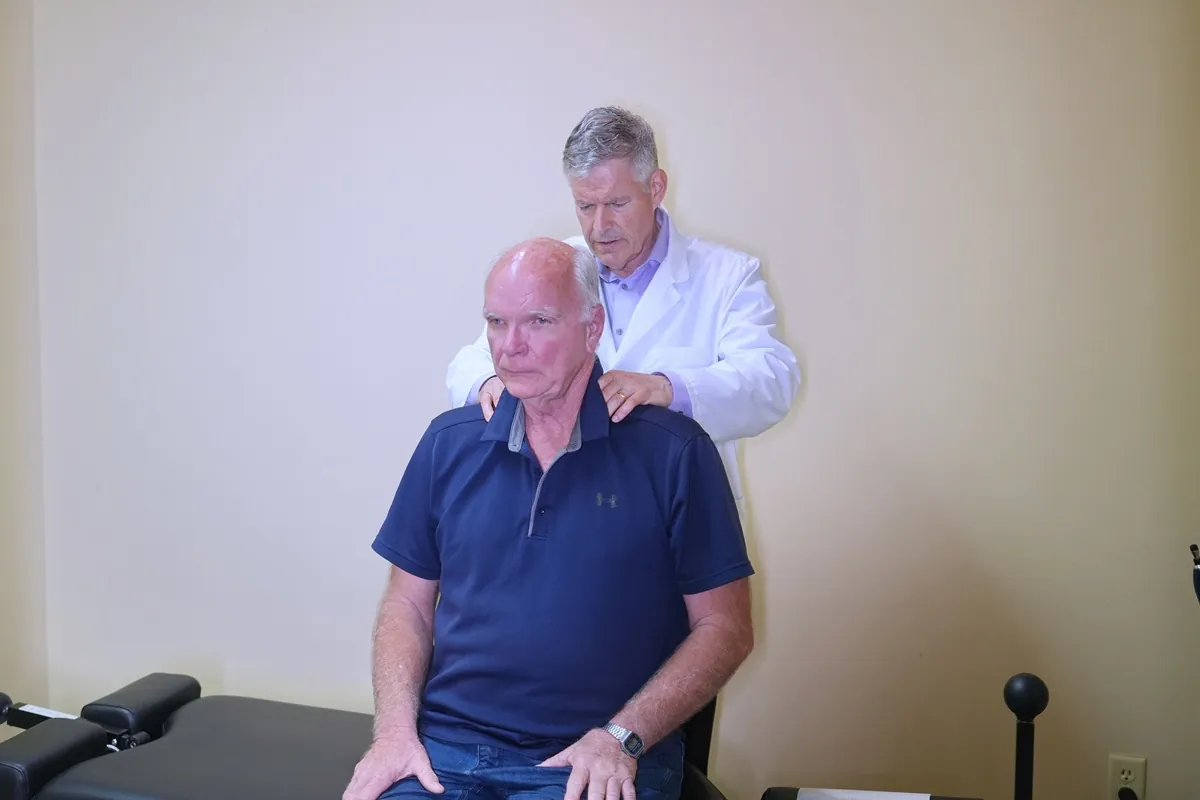
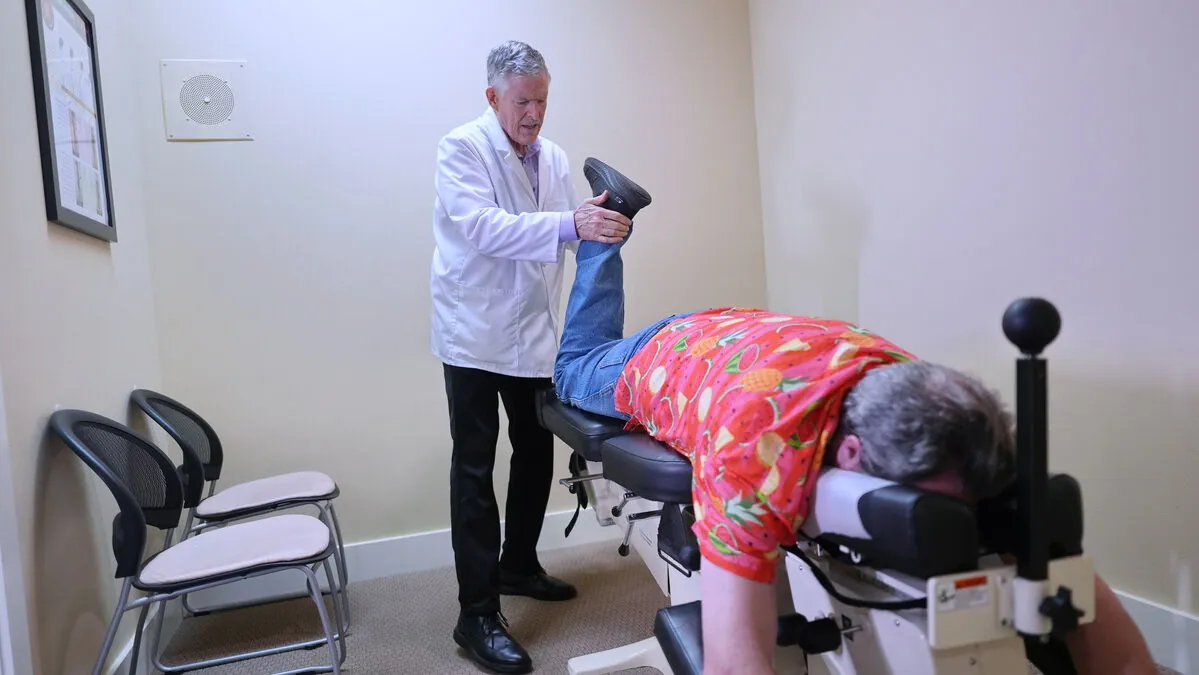
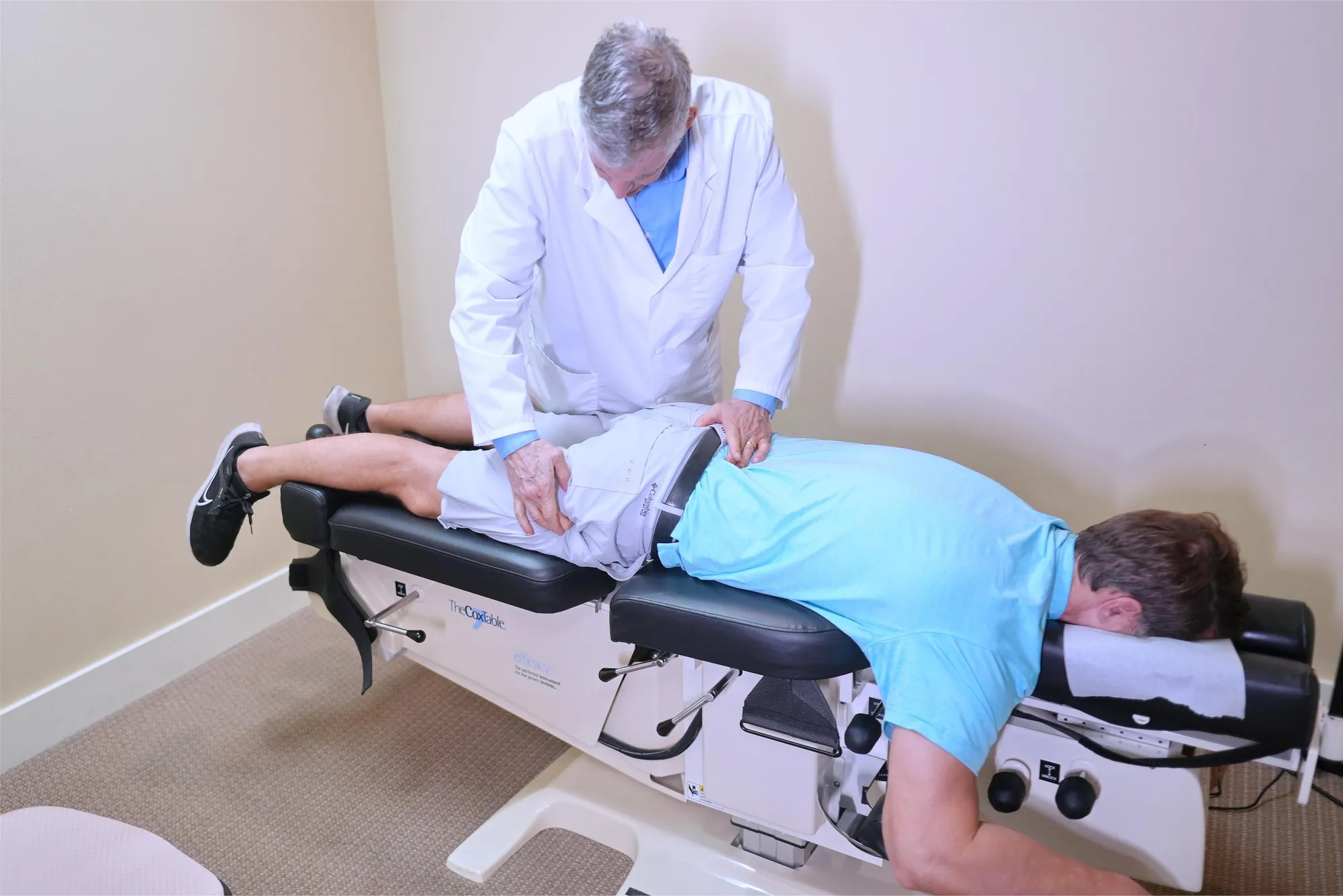
What makes Dr. Timothy Douglass’s approach at Douglass Chiropractic particularly effective is the combination of a thorough evaluation and techniques he has refined over more than 30 years of practice. His adjusting methods are both gentle and precise — something patients who have seen other providers often note immediately. Rather than applying a one-size-fits-all protocol, Dr. Douglass tailors his approach to each individual based on the specific cause of their back pain, their age, their activity level, and their overall health history.
Care at Douglass Chiropractic may include spinal adjustments to restore joint motion and alignment, soft tissue work to address muscle tension, and guidance on posture, movement, and lifestyle habits that support long-term spinal health. The goal is never just to get you feeling better for a few days — it’s to find the source of your back pain and address it in a meaningful, lasting way.
Many patients who come to us in Destin have already tried over-the-counter pain relievers, stretching routines, or even visits to other providers without lasting results. That history doesn’t discourage us — it motivates us. Where others have stopped, we start digging deeper to find what’s actually going on.
Practical Tips for Managing Back Pain Day to Day
While professional care is often the most effective path to lasting relief, there are genuinely helpful habits you can build into your daily routine that support spinal health and reduce the likelihood of flare-ups.
Pay attention to how you sit. If your workday involves a lot of desk time, your chair height, monitor position, and lumbar support all make a real difference. Your feet should rest flat on the floor, your knees should be roughly level with your hips, and your screen should be at eye level to avoid neck and upper back strain that can trickle down into the lower spine.
Move more throughout the day. The spine doesn’t do well with prolonged static positions. Even brief movement breaks — standing up, walking to the water cooler, doing a few gentle stretches — can meaningfully reduce the cumulative stress of sitting. Setting a reminder to move every 45 to 60 minutes is a simple habit with real benefits.
Strengthen your core. The muscles of the abdomen and lower back work together to support the spine. When they’re weak or imbalanced, the spine carries more of the load — and that often leads to pain. Dr. Timothy Douglass can guide you toward core exercises that are appropriate for your specific condition and fitness level.
Sleep with your spine in mind. The position you sleep in and the support your mattress provides both affect spinal health. Sleeping on your back with a pillow under your knees, or on your side with a pillow between your knees, helps maintain spinal alignment through the night. Stomach sleeping, on the other hand, tends to place significant stress on the lower back and neck.
When to See a Chiropractor
If your back pain has lasted more than a few days, is worsening rather than improving, or is significantly interfering with your daily life, it’s time to seek an evaluation. You don’t have to be in severe pain to benefit from chiropractic care — in fact, addressing back pain early often leads to faster and more complete recovery.
At Douglass Chiropractic in Destin, we encourage patients not to wait until they’ve exhausted every other option. The sooner we can identify the source of your discomfort, the sooner we can begin addressing it effectively.
That said, there are certain symptoms that warrant immediate medical attention rather than a chiropractic visit. If your back pain is accompanied by loss of bladder or bowel control, severe numbness in the groin or inner thighs, unexplained significant weight loss, or pain following major trauma, please seek emergency medical care right away. These can be signs of serious conditions that require immediate evaluation beyond the chiropractic scope of practice. Dr. Timothy Douglass will always refer patients to the appropriate specialist when that is the right course of action — your health and safety come first.
Back Pain at a Glance: Causes vs. Common Triggers
Cause | Common Triggers | Key Characteristics |
|---|---|---|
Muscle / Ligament Strain | Heavy lifting, sudden movement, poor form | Localized aching, stiffness, worsens with movement |
Spinal Joint Dysfunction | Poor posture, sedentary lifestyle, prior injury | Stiffness, limited range of motion, referral pain into hips |
Disc Herniation / Bulge | Repetitive loading, prolonged sitting, trauma | Sharp or radiating pain, possible leg/foot symptoms |
Degenerative Disc Disease | Age-related wear, cumulative stress | Chronic low-grade aching, worsened by prolonged positions |
Postural Strain | Desk work, phone use, poor ergonomics | Gradual onset, diffuse aching, often worse by end of day |
Injury / Trauma | Auto accidents, falls, sports collisions | Acute onset, may involve multiple spinal regions |
Myths vs. Facts About Back Pain
Myth: Rest is the best treatment for back pain.
Fact: While brief rest immediately after an acute injury can be appropriate, prolonged bed rest is not recommended and may actually slow recovery. Research and clinical guidelines consistently support staying as active as safely possible, combined with conservative care like chiropractic treatment, for most types of back pain.
Myth: Back pain always means something is seriously wrong with your spine.
Fact: The vast majority of back pain episodes are mechanical in nature — meaning they involve muscles, joints, or soft tissues rather than serious structural pathology. While it’s important to get evaluated, most people are relieved to learn that their pain, though significant, does not indicate a dangerous underlying condition.
Myth: You should wait to see if back pain goes away on its own before seeking care.
Fact: Some mild back pain does resolve on its own, but waiting too long can allow the underlying cause to worsen or become chronic. Early evaluation and care typically lead to faster, more complete recovery — and may prevent a short-term problem from becoming a long-term one.
Myth: Chiropractic adjustments are painful or dangerous.
Fact: When performed by a qualified chiropractor, spinal adjustments are generally safe and well-tolerated. Dr. Timothy Douglass uses gentle, refined techniques that he has developed over more than 30 years of practice — techniques patients consistently describe as unlike anything they’ve experienced elsewhere. Serious adverse events from chiropractic adjustments are exceedingly rare.
Myth: Back pain is just part of getting older and there’s nothing you can do about it.
Fact: While the spine does change with age, pain is not an inevitable or untreatable consequence of those changes. Many patients at Douglass Chiropractic experience significant, lasting improvement in their back pain regardless of age — and go on to return to the activities they love along the Emerald Coast.
Final Thoughts from Douglass Chiropractic
Back pain doesn’t have to be your new normal. Whether you’ve been dealing with it for a few days or a few years, there is almost always more that can be done — especially when you have a provider who takes the time to understand what’s actually driving your discomfort.
At Douglass Chiropractic in Destin, Dr. Timothy Douglass has spent over 15 years helping families across the Emerald Coast find the kind of lasting relief that other approaches couldn’t provide. His philosophy is simple: find the source, address it thoroughly, and give each patient the personalized attention they deserve. That’s not marketing language — it’s what patients here in Destin have been experiencing since 2009.
If back pain has been holding you back from the life you want to live — whether that’s enjoying a weekend on the water, keeping up with your kids, or simply getting through the day without discomfort — we’d love the opportunity to help. Reach out to our team at Douglass Chiropractic and request an appointment. We’ve got your back.
Frequently Asked Questions
How do I know if my back pain needs chiropractic care or medical care?
Most back pain — including muscle strain, joint dysfunction, disc issues, and postural pain — falls within the scope of chiropractic care. However, if your pain is accompanied by loss of bladder or bowel control, severe neurological symptoms, or follows significant trauma, seek medical attention immediately. When in doubt, Dr. Timothy Douglass will always refer patients to the appropriate specialist if needed.
How long does it take to feel relief from back pain with chiropractic care?
This varies considerably depending on the cause, severity, and duration of your back pain. Some patients notice improvement after just a few visits, while chronic or more complex conditions may require a longer course of care. During your initial evaluation at Douglass Chiropractic, Dr. Douglass will give you a realistic sense of what to expect based on your specific situation.
Can chiropractic care help with disc herniation?
Research suggests that conservative chiropractic care can be beneficial for many patients dealing with disc herniations, particularly those causing nerve-related symptoms like sciatica. It is a non-invasive option worth exploring before considering more aggressive interventions. Dr. Timothy Douglass will assess your specific case and discuss whether chiropractic care is appropriate for you.
Is back pain from an auto accident different from other types of back pain?
The forces involved in an auto accident — even at low speeds — can cause unique patterns of injury to the spine and surrounding soft tissues. Whiplash and spinal trauma from car accidents often affect multiple regions of the spine simultaneously. It’s important to seek evaluation promptly after an accident, even if you feel fine initially, as symptoms can sometimes develop or worsen in the days following the event.
What can I do at home to support my chiropractic care for back pain?
Staying gently active, paying attention to your posture, taking regular movement breaks during the day, and sleeping in a spine-friendly position can all complement in-office chiropractic care. Dr. Timothy Douglass will provide specific recommendations tailored to your condition during your visits at Douglass Chiropractic in Destin.
Can back pain come back after chiropractic treatment?
Some patients experience recurrence, particularly if the lifestyle factors or postural habits that contributed to the original problem aren’t addressed. That’s why Douglass Chiropractic focuses not just on relieving your current pain but on educating you and building habits that reduce the likelihood of future flare-ups. Long-term spinal health is always the goal.
TL;DR
Back pain has many potential causes — including muscle strain, joint dysfunction, disc problems, postural issues, and injury — and identifying the source is essential for effective treatment.
The character of your pain (location, timing, what makes it better or worse) provides valuable clues about what’s driving your discomfort.
Chiropractic care is a well-supported, non-invasive first-line option for most types of back pain, and Dr. Timothy Douglass at Douglass Chiropractic in Destin uses personalized, refined techniques developed over 30+ years of practice.
Simple daily habits — better posture, regular movement breaks, spine-friendly sleep positions, and core strength — can meaningfully support your recovery and long-term spinal health.
If your back pain is persistent, worsening, or significantly affecting your quality of life, don’t wait — an evaluation at Douglass Chiropractic can help identify the cause and get you on a path toward lasting relief.

Dr. Douglass has been a licensed chiropractic physician since 1991 and brings more than three decades of experience helping patients improve their health and quality of life. He earned his Bachelor of Science Degree from Springfield College in Springfield, MA, with concentrations in nutrition and chemistry, and went on to receive his Doctor of Chiropractic degree from Palmer College of Chiropractic in Davenport, IA, graduating with honors in research. He has also completed postgraduate studies through Harvard Medical School.