
If you’ve ever experienced the sharp, shooting pain that radiates from your lower back down through your leg, you know how debilitating sciatic pain can be. This type of discomfort affects millions of people every year, making simple activities like sitting, standing, or walking feel nearly impossible. The good news is that chiropractic adjustments have helped countless patients find relief from sciatic pain without resorting to surgery or relying on medications. Here at Douglass Chiropractic in Destin, FL, Dr. Timothy Douglass has worked with many patients experiencing sciatic pain, helping them understand their condition and find natural, effective relief. In this article, we’ll explore what sciatic pain really is, what causes it, and how chiropractic care can play a meaningful role in your recovery.
What is Sciatic Pain?
Sciatic pain, often called sciatica, is a symptom rather than a diagnosis itself. It refers to pain that travels along the path of the sciatic nerve, which runs from your lower back through your hips and buttocks and down each leg. Most commonly, sciatica affects only one side of the body and can range from a mild ache to a sharp, burning sensation or excruciating discomfort.
Table of Contents
- Understanding the Sciatic Nerve and How Pain Develops
- Common Causes of Sciatic Pain
- Signs and Symptoms You Shouldn’t Ignore
- How Chiropractic Adjustments Help Alleviate Sciatic Pain
- What to Expect During Chiropractic Care
- Practical Tips for Managing Sciatic Pain at Home
- When to See a Chiropractor for Sciatic Pain
- Treatment Approaches Comparison
- Myths vs. Facts About Sciatica and Chiropractic Care
- Final Thoughts from Douglass Chiropractic
Understanding the Sciatic Nerve and How Pain Develops
The sciatic nerve is the longest and widest nerve in your entire body. It originates in your lower back at the lumbar spine, specifically from nerve roots at L4 through S3. These nerve roots come together to form the sciatic nerve, which then travels through the pelvis, under the piriformis muscle, and down the back of each leg, eventually branching into smaller nerves that extend all the way to your feet.
When something irritates, compresses, or inflames this nerve or its nerve roots, you experience what we call sciatica. The pain occurs because the nerve is being affected somewhere along its pathway. Think of it like a garden hose with a kink in it. The water flow gets disrupted at that specific point, but the effects are felt downstream. Similarly, when your sciatic nerve is compressed in your lower back, you might feel pain, numbness, or tingling all the way down to your foot.
The intensity and location of sciatic pain can vary greatly from person to person. Some patients describe a dull ache, while others experience sharp, electric-like jolts. The pain might worsen when you sneeze, cough, or sit for extended periods. Understanding this nerve pathway helps explain why sciatic pain can affect such a large area of your body even though the source of the problem might be localized to a specific area in your spine.
Common Causes of Sciatic Pain
Sciatic pain doesn’t appear out of nowhere. There’s always an underlying reason why the nerve becomes irritated or compressed. Here in Destin, we see patients with sciatica resulting from various causes, and identifying the root cause is essential for effective treatment.
Herniated or Bulging Discs: This is one of the most common causes of sciatica. The soft, gel-like center of a spinal disc can push through a weakened outer layer, putting pressure on nearby nerve roots. Even a small herniation can cause significant nerve irritation if it’s pressing directly on a nerve root that contributes to the sciatic nerve.
Spinal Stenosis: This condition involves a narrowing of the spinal canal, which can compress the nerve roots in your lower back. Spinal stenosis often develops gradually as we age due to natural wear and tear on the spine, arthritis, or thickening of ligaments.
Degenerative Disc Disease: As we get older, the discs between our vertebrae can lose hydration and height. This natural degeneration can lead to nerve root compression and inflammation, potentially triggering sciatic symptoms.
Piriformis Syndrome: The piriformis muscle is located deep in the buttock, and the sciatic nerve runs beneath it or sometimes through it. When this muscle becomes tight or spasms, it can irritate or compress the sciatic nerve, causing pain that mimics traditional sciatica.
Spondylolisthesis: This condition occurs when one vertebra slips forward over the one below it, potentially pinching the nerves that form the sciatic nerve. It can result from degenerative changes, stress fractures, or structural abnormalities.
Trauma or Injury: Car accidents, falls, or sports injuries can cause sudden damage to the spine or surrounding soft tissues, leading to nerve compression and sciatic pain.
Signs and Symptoms You Shouldn’t Ignore
Recognizing the signs of sciatic pain early can help you seek appropriate care before the condition worsens. While everyone’s experience with sciatica is unique, there are several hallmark symptoms that indicate sciatic nerve involvement.
The most characteristic symptom is pain that radiates from your lower back down through your buttock and into your leg. This pain typically follows the path of the sciatic nerve and usually affects only one side of your body. The discomfort can range from a mild ache to severe, debilitating pain that makes it difficult to stand or walk.
Many patients also experience numbness or tingling sensations in the affected leg or foot. You might notice a pins-and-needles feeling or areas where your skin feels less sensitive to touch. Some people describe it as their leg feeling “asleep” for extended periods.
Muscle weakness in the affected leg is another common symptom. You might find it harder to lift your foot or toes, or you may notice that one leg feels weaker than the other when climbing stairs or standing from a seated position.
The pain often intensifies with certain movements or positions. Sitting for long periods, especially in a car or at a desk, frequently aggravates sciatic pain. Sudden movements like sneezing, coughing, or laughing can send sharp jolts down your leg. Some patients find that standing or walking provides relief, while others feel worse with prolonged standing.
At Douglass Chiropractic, Dr. Timothy Douglass emphasizes that the severity and combination of symptoms can vary widely. Some patients experience all of these symptoms, while others may only have one or two. The key is recognizing when these symptoms are interfering with your daily life and seeking professional evaluation.
How Chiropractic Adjustments Help Alleviate Sciatic Pain
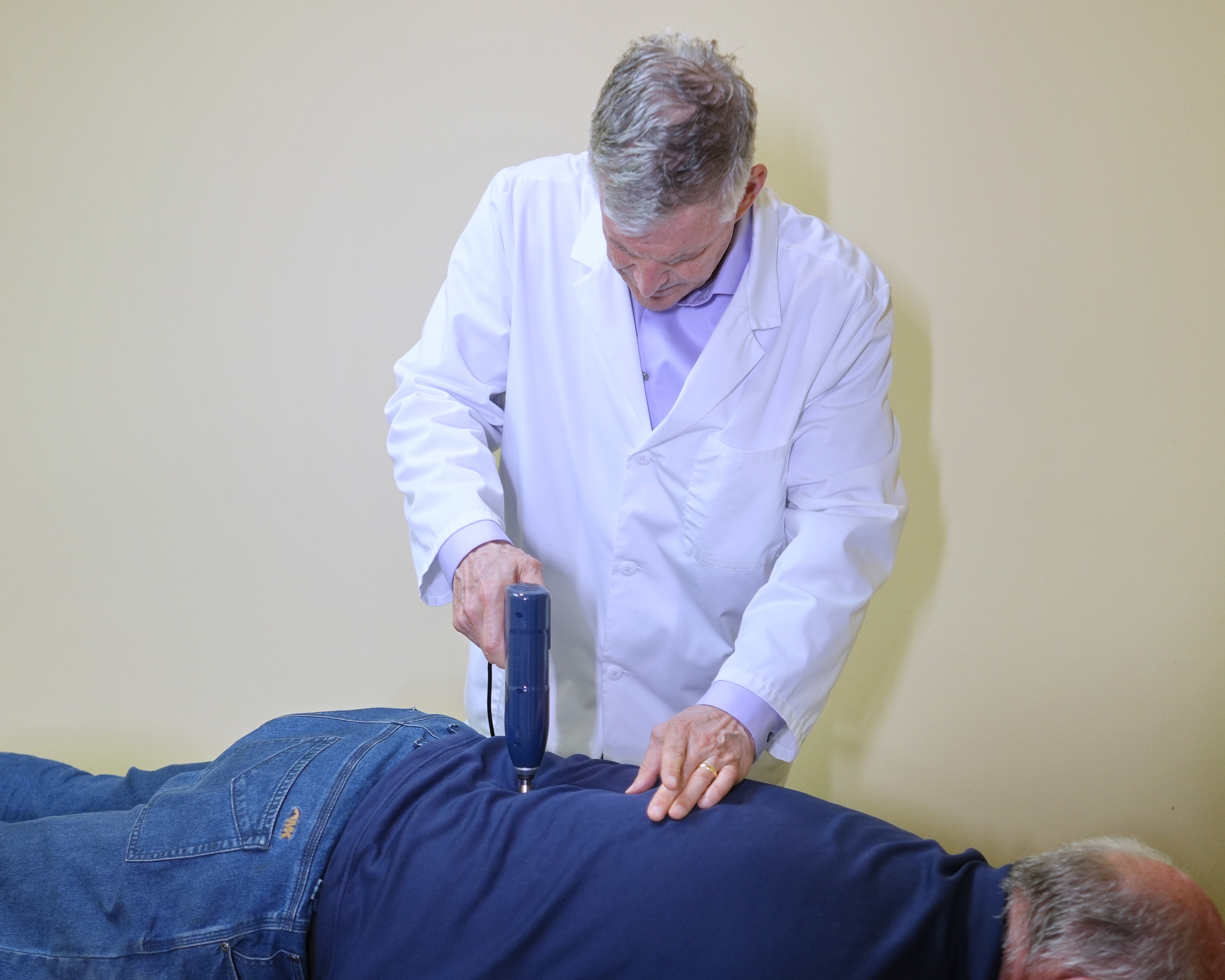
Chiropractic care offers a conservative, non-invasive approach to managing sciatic pain by addressing the underlying mechanical issues that contribute to nerve irritation. Rather than simply masking symptoms, chiropractic adjustments aim to restore proper spinal alignment and function, which can reduce pressure on the sciatic nerve and promote natural healing.
Restoring Spinal Alignment: When vertebrae in your lower back are misaligned, even slightly, they can create inflammation and pressure on nerve roots. Chiropractic adjustments work to realign these vertebrae, reducing nerve interference and allowing your body to function more efficiently. This realignment can decrease inflammation around the nerve roots and create more space for the sciatic nerve.
Reducing Inflammation: Nerve compression often leads to localized inflammation, which can worsen pain and slow healing. Spinal adjustments have been shown to help reduce inflammatory responses in the body. By improving joint motion and reducing mechanical stress, adjustments can help decrease the inflammatory cascade that contributes to sciatic pain.
Improving Range of Motion: Sciatic pain often causes people to move differently to avoid discomfort, which can lead to muscle imbalances and joint restrictions. Chiropractic care focuses on restoring normal movement patterns and range of motion in the spine and pelvis. When your joints move properly, there’s less mechanical stress on the surrounding nerves and tissues.
Releasing Muscle Tension: Tight muscles in your lower back, hips, and buttocks can contribute to sciatic pain, either by directly compressing the nerve or by pulling on the spine and creating misalignments. Chiropractors use various soft tissue techniques alongside adjustments to release muscle tension and restore balance to the musculoskeletal system.
Addressing Contributing Factors: Sciatica rarely exists in isolation. Often, issues in other areas of the spine or pelvis contribute to the problem. A thorough chiropractic approach examines your entire spine and biomechanics to identify and address all contributing factors, not just the site of pain.
Research has consistently supported the role of spinal manipulation in managing lower back pain and radicular symptoms. A systematic review published in the Journal of Manipulative and Physiological Therapeutics indicated that spinal manipulation may provide benefits for patients with disc herniation and radiculopathy. The evidence suggests that many patients with sciatic pain can benefit from conservative chiropractic management before considering more invasive options.
What to Expect During Chiropractic Care
If you’re considering chiropractic care for sciatic pain, knowing what to expect can help you feel more comfortable and confident in your decision. At Douglass Chiropractic in Destin, the approach is thorough, personalized, and designed to identify the specific cause of your sciatic symptoms.
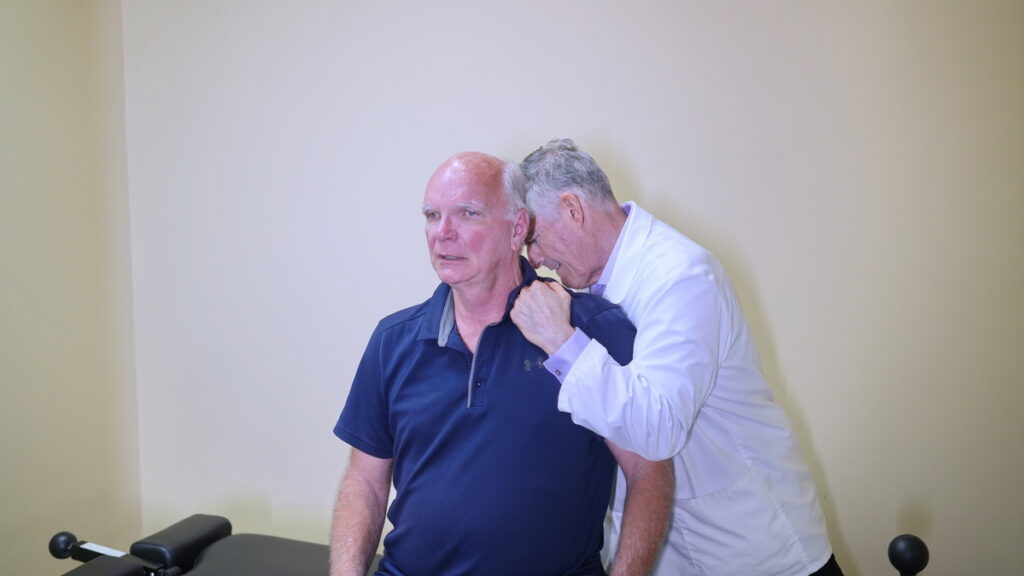
Your first visit will include a comprehensive evaluation. Dr. Timothy Douglass will discuss your health history, when your symptoms started, what makes them better or worse, and how they’re affecting your daily activities. This conversation provides valuable insights into the nature of your condition.
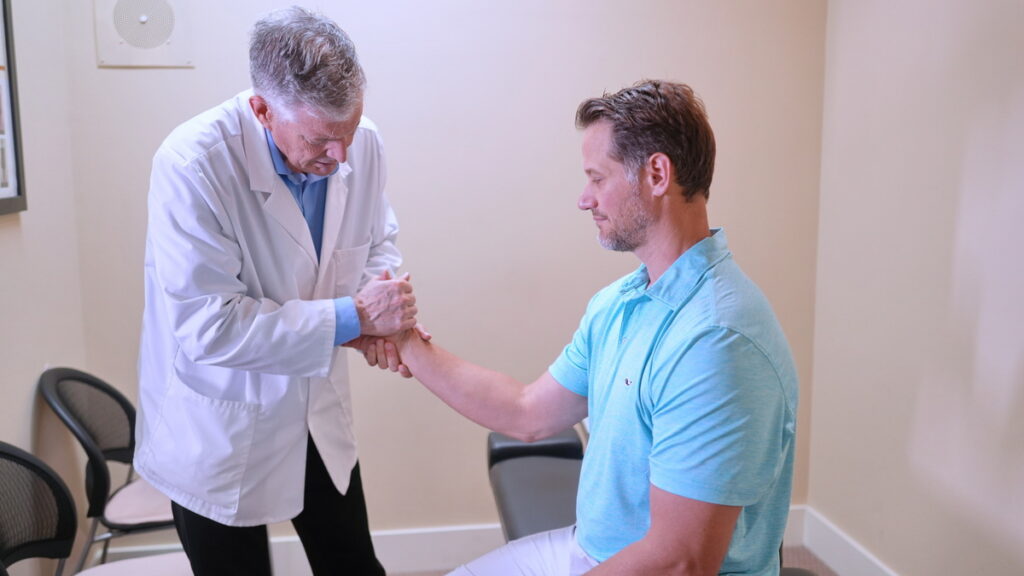
A physical examination follows, which may include orthopedic and neurological tests to assess nerve function, muscle strength, reflexes, and range of motion. These tests help determine which nerve roots are involved and whether there are any red flags that might require additional imaging or medical referral.
Based on the findings, Dr. Timothy Douglass will develop an individualized care plan tailored to your specific needs. Not all sciatic pain is the same, so your treatment approach should reflect the unique factors contributing to your condition.
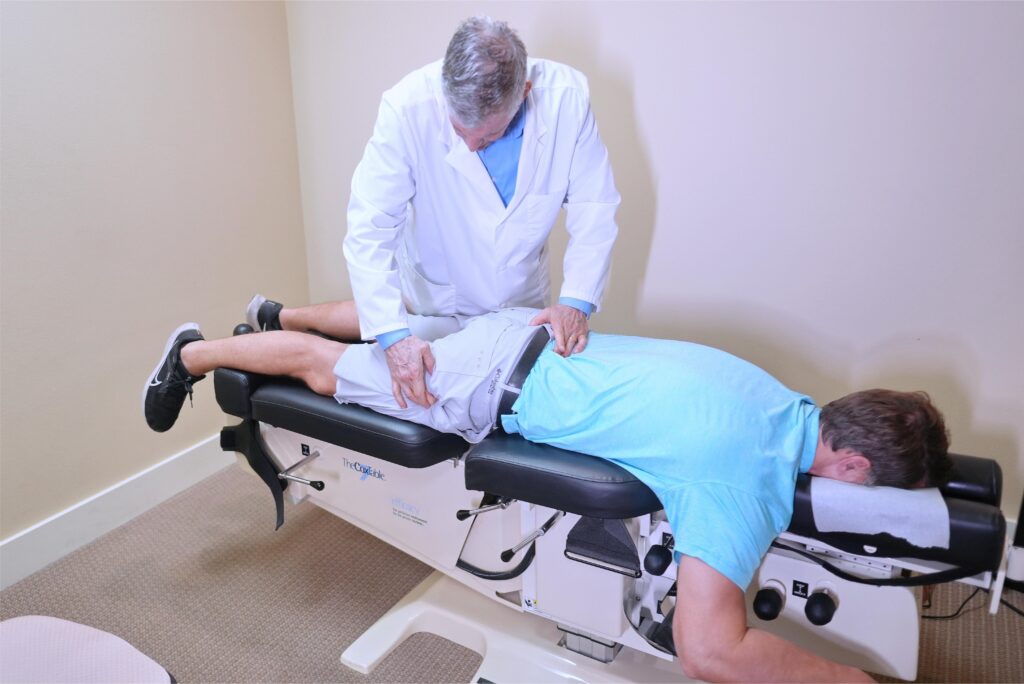
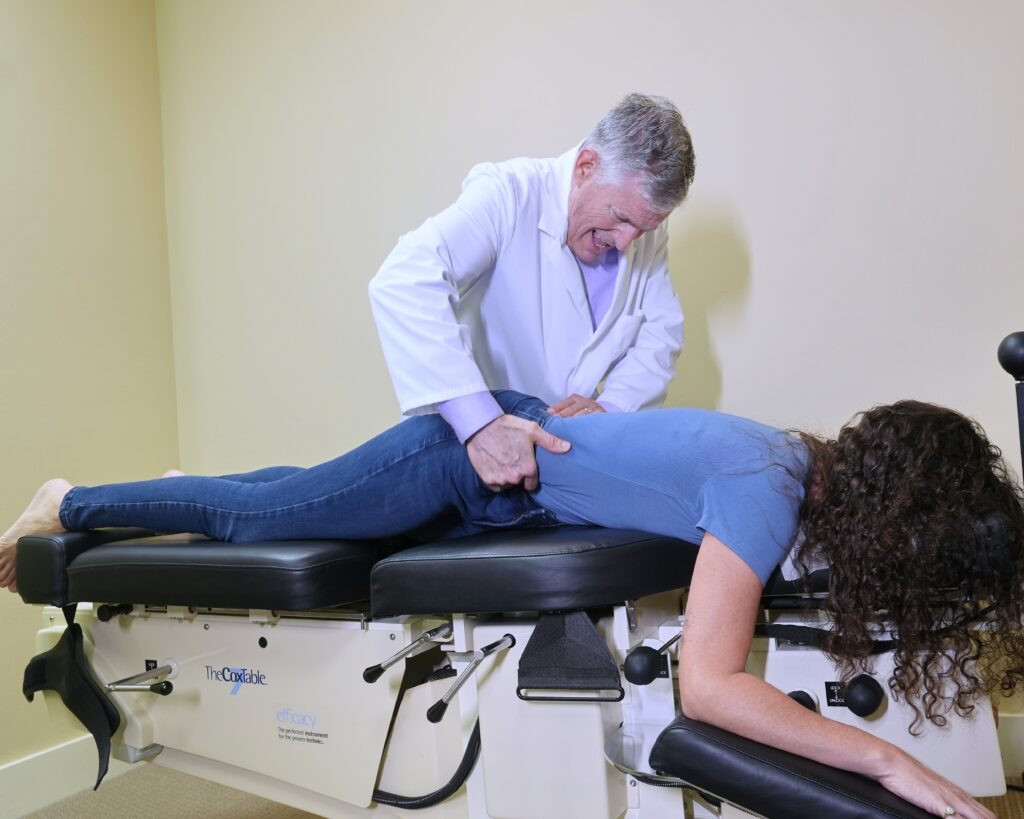
Chiropractic adjustments for sciatic pain typically involve gentle, specific manipulations to the lumbar spine and pelvis. The goal is to reduce nerve interference, improve joint mechanics, and promote healing. These adjustments are performed with your comfort and safety as the top priority. Many patients report feeling immediate relief after an adjustment, though it may take several sessions to achieve lasting results.
In addition to spinal adjustments, your care plan might include complementary therapies such as soft tissue work, therapeutic exercises, stretching protocols, and ergonomic recommendations. This comprehensive approach addresses all aspects of your condition and helps prevent future episodes.
The frequency and duration of care depend on the severity of your condition, how long you’ve had symptoms, and how your body responds to treatment. Some patients experience significant improvement within a few weeks, while others with chronic or severe sciatica may require ongoing supportive care.
Practical Tips for Managing Sciatic Pain at Home
While professional chiropractic care is essential for addressing the root cause of sciatic pain, there are several things you can do at home to support your recovery and prevent flare-ups.
Stay Active Within Your Limits: Complete bed rest used to be commonly recommended for sciatica, but research now shows that prolonged inactivity can actually worsen symptoms and delay recovery. Instead, try to stay gently active with low-impact activities like walking. Start with short distances and gradually increase as tolerated. Movement helps reduce inflammation, maintain muscle strength, and prevent stiffness.
Apply Ice and Heat Strategically: In the acute phase of sciatic pain, especially within the first few days, ice can help reduce inflammation and numb sharp pain. Apply an ice pack to your lower back for fifteen to twenty minutes several times a day. After the initial inflammation subsides, heat can help relax tight muscles and improve blood flow to the area. Some patients find alternating between ice and heat provides the most relief.
Practice Good Posture: Poor posture, especially while sitting, can aggravate sciatic pain. When seated, keep both feet flat on the floor, maintain the natural curve in your lower back, and avoid crossing your legs. Consider using a lumbar support cushion if you sit for extended periods. Take frequent breaks to stand and walk around every thirty minutes.
Sleep Smart: Your sleeping position can either help or hinder your recovery. If you sleep on your side, place a pillow between your knees to keep your hips aligned and reduce pressure on the sciatic nerve. If you sleep on your back, try placing a pillow under your knees to maintain the natural curve of your lower back. Avoid sleeping on your stomach, as this can twist your spine and worsen symptoms.
Perform Gentle Stretches: Certain stretches can help relieve sciatic pain by reducing muscle tension and improving flexibility. The piriformis stretch, knee-to-chest stretch, and gentle hamstring stretches are often beneficial. However, avoid any stretch that increases your pain. At Douglass Chiropractic, we provide specific stretching recommendations tailored to your condition.
Mind Your Movements: Be conscious of how you move throughout the day. When lifting objects, bend at your knees rather than your waist, and keep items close to your body. Avoid twisting your spine while lifting. When getting out of bed, roll to your side first, then use your arms to push yourself up to a sitting position rather than sitting straight up from your back.
Maintain a Healthy Weight: Excess body weight places additional stress on your spine and can contribute to disc problems and nerve compression. If you’re carrying extra weight, even modest weight loss can reduce the burden on your lower back and potentially ease sciatic symptoms.

When to See a Chiropractor for Sciatic Pain
While mild sciatic pain might improve on its own with rest and home care, there are several situations when professional chiropractic evaluation is warranted. Knowing when to seek care can prevent your condition from worsening and help you recover more quickly.
You should consider scheduling an appointment at Douglass Chiropractic if your sciatic pain lasts longer than a week without improvement. Acute pain that resolves quickly is less concerning than persistent symptoms that linger or gradually worsen over time.
If your pain is severe enough to interfere with your daily activities, work, or sleep, it’s time to seek professional care. You shouldn’t have to struggle through intense pain or significantly alter your lifestyle because of sciatic symptoms. The sooner you address the underlying cause, the better your chances of a full recovery.
Progressive weakness in your leg or foot is another important indicator that professional evaluation is needed. If you’re noticing that your leg is becoming weaker over time, or if you’re having difficulty lifting your foot when walking, these symptoms suggest increased nerve compression that requires attention.
Numbness or tingling that spreads or intensifies should also prompt you to seek care. While some sensory changes are common with sciatica, worsening numbness or expanding areas of altered sensation indicate that the nerve irritation may be progressing.
If you’ve tried home remedies and self-care measures for several days without any improvement, chiropractic evaluation can help identify the underlying cause and provide more effective treatment strategies. Dr. Timothy Douglass can determine whether your condition is likely to respond to conservative care or if additional medical evaluation is needed.
There are also red flag symptoms that require immediate medical attention, though these are relatively rare. Seek emergency care if you experience loss of bladder or bowel control, progressive leg weakness in both legs, numbness in the groin or inner thigh area, or severe pain following significant trauma. These symptoms could indicate cauda equina syndrome, a serious condition requiring urgent medical intervention.
Treatment Approaches Comparison
| Treatment Approach | How It Works | Best For | Considerations |
|---|---|---|---|
| Chiropractic Adjustments | Restores spinal alignment, reduces nerve pressure, improves joint function | Mechanical causes, disc issues, misalignments, chronic or acute sciatic pain | Non-invasive, drug-free, addresses root cause, may require multiple sessions |
| Pain Medications | Masks pain signals, reduces inflammation temporarily | Acute pain management, short-term relief | Doesn’t address underlying cause, potential side effects, risk of dependency |
| Physical Therapy | Strengthens muscles, improves flexibility and movement patterns | Weakness, muscle imbalances, post-injury rehabilitation | Often complementary to chiropractic care, requires active participation |
| Surgery | Removes disc material or bone compressing nerve | Severe cases, progressive neurological deficits, failed conservative care | Invasive, longer recovery time, risks associated with surgery and anesthesia |
| Massage Therapy | Releases muscle tension, improves circulation, reduces secondary pain | Muscle-related sciatic pain, piriformis syndrome, stress relief | May provide temporary relief, works best alongside other treatments |
Myths vs. Facts About Sciatica and Chiropractic Care
There’s a lot of misinformation about sciatic pain and how chiropractic care can help. Let’s clear up some common misconceptions that might be preventing you from seeking the care you need.
Myth: Sciatica Always Requires Surgery
Fact: The vast majority of sciatic pain cases respond well to conservative care, including chiropractic adjustments, physical therapy, and lifestyle modifications. Surgery is typically reserved for severe cases with progressive neurological deficits or when conservative approaches have been thoroughly tried without success. Research indicates that most patients with sciatica improve significantly within six to twelve weeks with non-surgical treatment.
Myth: Chiropractic Adjustments Are Dangerous for Sciatic Pain
Fact: When performed by a qualified, licensed chiropractor, adjustments are a safe and effective treatment option for sciatic pain. Dr. Timothy Douglass performs a thorough examination before beginning care to ensure that chiropractic treatment is appropriate for your specific condition. Serious complications from chiropractic adjustments are extremely rare, and chiropractors are trained to modify techniques based on individual patient needs.
Myth: You Should Stay in Bed Until Sciatic Pain Goes Away
Fact: While rest might provide temporary relief, prolonged bed rest can actually worsen sciatic pain and delay recovery. Gentle movement and activity help maintain muscle strength, prevent stiffness, and promote healing. The key is finding the right balance between rest and activity. Your chiropractor can guide you on appropriate activity levels during recovery.
Myth: If You Have a Herniated Disc, You’ll Always Have Sciatic Pain
Fact: Many people with herniated discs visible on imaging have no symptoms at all. Even when a herniated disc is causing sciatic pain, the body has remarkable healing capabilities. With proper care, most disc herniations improve over time as the body reabsorbs the extruded disc material and inflammation decreases. Chiropractic care can support this natural healing process.
Myth: Once Sciatica Develops, It Will Keep Coming Back
Fact: While some people do experience recurrent episodes of sciatic pain, this isn’t inevitable. Many patients fully recover and never experience another episode, especially when they address contributing factors like poor posture, weak core muscles, or biomechanical issues. Ongoing chiropractic wellness care and following recommended exercises and lifestyle modifications can significantly reduce the risk of recurrence.
Final Thoughts from Douglass Chiropractic
Living with sciatic pain doesn’t have to be your reality. The sharp, radiating discomfort that travels down your leg can be managed effectively with the right approach. Here at Douglass Chiropractic in Destin, Florida, we’ve helped countless patients find relief from sciatic pain through personalized chiropractic care that addresses the root cause of their symptoms rather than just masking the pain.
Dr. Timothy Douglass takes the time to understand each patient’s unique situation, perform thorough evaluations, and develop individualized treatment plans designed to restore function and reduce pain naturally. Whether your sciatica resulted from a herniated disc, spinal misalignment, or muscle-related issues, chiropractic adjustments combined with supportive therapies can help you get back to the activities you love.
Remember, the sooner you address sciatic pain, the better your chances of a quick and complete recovery. If you’re experiencing the telltale signs of sciatica—pain radiating down your leg, numbness, tingling, or weakness—don’t wait for it to worsen. Reach out to our team at Douglass Chiropractic in Destin to schedule a consultation and take the first step toward lasting relief.
Frequently Asked Questions
How long does it take for chiropractic care to relieve sciatic pain?
The timeline for relief varies depending on the severity of your condition, how long you’ve had symptoms, and how well your body responds to treatment. Some patients experience noticeable improvement after just a few sessions, while others with chronic or severe sciatica may need several weeks of consistent care. Dr. Timothy Douglass will discuss realistic expectations during your initial evaluation based on your specific situation.
Can chiropractic adjustments make sciatica worse?
When performed by a qualified chiropractor, adjustments are generally safe and well-tolerated. Some patients experience mild soreness after their first few adjustments as their body adapts, similar to the feeling after starting a new exercise routine. This typically resolves within a day or two. Dr. Timothy Douglass carefully evaluates each patient to ensure chiropractic care is appropriate and modifies techniques as needed for comfort and safety.
Is sciatic pain always caused by a herniated disc?
No, while herniated discs are a common cause of sciatica, they’re not the only cause. Sciatic pain can also result from spinal stenosis, degenerative disc disease, piriformis syndrome, spondylolisthesis, or other conditions that compress or irritate the sciatic nerve. A thorough chiropractic examination helps identify the specific cause of your symptoms so treatment can be appropriately targeted.
Will I need X-rays or other imaging for sciatic pain?
Not always. Many cases of sciatica can be effectively diagnosed and treated based on clinical examination alone. However, if your symptoms suggest a more serious underlying condition, if you’re not responding to initial treatment, or if there are red flag symptoms present, Dr. Timothy Douglass may recommend imaging studies to get a clearer picture of what’s happening in your spine.
Can I prevent sciatic pain from coming back after treatment?
Yes, there are several strategies that can significantly reduce your risk of recurrent sciatica. Maintaining good posture, strengthening your core muscles, staying active, practicing proper lifting techniques, and maintaining a healthy weight all help protect your spine. Many patients at Douglass Chiropractic choose to continue with periodic wellness adjustments even after their pain resolves to maintain optimal spinal function and prevent future problems.
Should I avoid exercise if I have sciatic pain?
You shouldn’t avoid all exercise, but you should be selective about the activities you perform. High-impact activities, heavy lifting, and exercises that involve twisting or bending at the waist might worsen symptoms. Gentle activities like walking, swimming, and specific therapeutic exercises recommended by your chiropractor can actually help your recovery. Dr. Timothy Douglass can provide guidance on which activities are safe and beneficial for your specific condition.
TL;DR – Key Takeaways
- Sciatic pain results from irritation or compression of the sciatic nerve, causing pain that radiates from the lower back down through the leg, often accompanied by numbness, tingling, or weakness.
- Chiropractic adjustments help alleviate sciatic pain by restoring proper spinal alignment, reducing nerve pressure, decreasing inflammation, and improving overall biomechanics without surgery or medications.
- Common causes include herniated discs, spinal stenosis, degenerative changes, piriformis syndrome, and spinal misalignments—all of which can be addressed through conservative chiropractic care.
- Most cases of sciatica respond well to non-invasive treatment, and surgery is rarely necessary when appropriate chiropractic care is received early in the course of the condition.
- Supporting your recovery with good posture, gentle activity, proper sleep positioning, and following your chiropractor’s recommendations can significantly improve outcomes and prevent recurrence.