
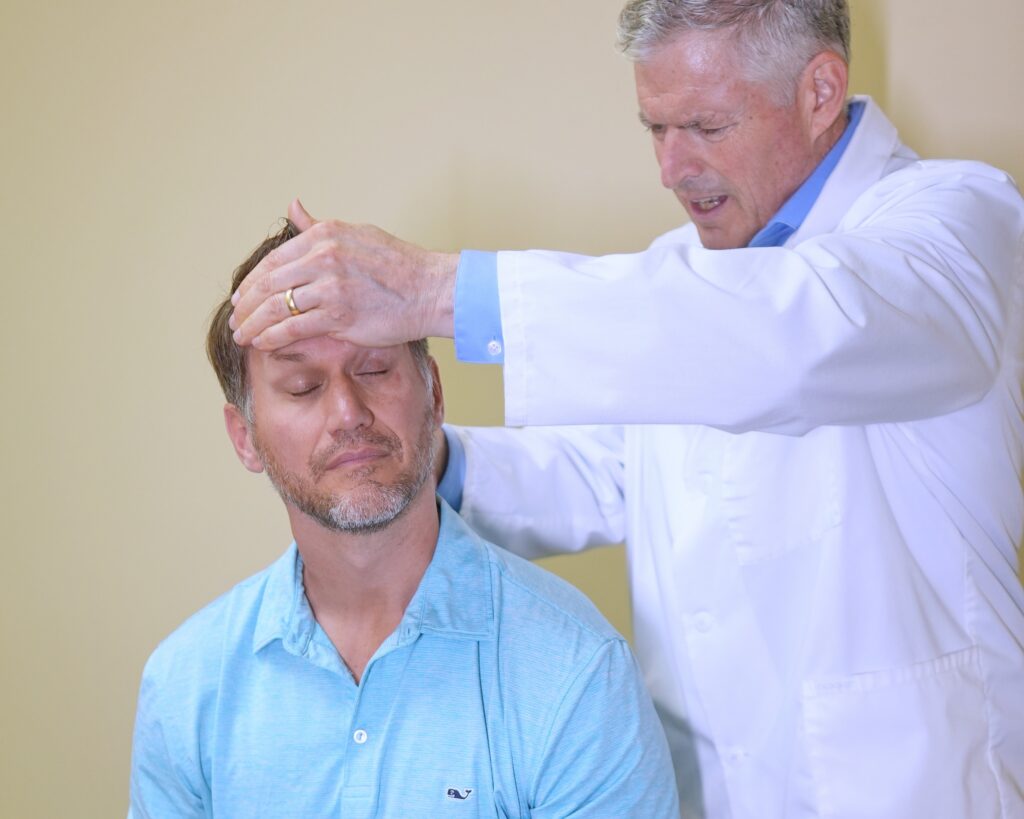

If you’ve ever felt a dull ache creep up from the base of your skull and spread across your head, you’re not alone. Many people in Destin and across the Florida panhandle experience headaches that seem to originate right where the neck meets the skull. These aren’t your typical tension headaches from stress or dehydration—they have a distinct pattern and a specific cause rooted in the cervical spine. Understanding the neck-headache connection can be the first step toward finding lasting relief without relying on medication or invasive procedures.
At Douglass Chiropractic in Destin, FL, Dr. Timothy Douglass frequently works with patients who didn’t realize their chronic headaches were actually stemming from neck problems. The good news? Once you understand what’s happening in your body, you can take meaningful steps toward feeling better. This article will walk you through everything you need to know about cervicogenic headaches—the medical term for headaches originating in the neck—and how chiropractic care may offer a natural path to relief.
What is a cervicogenic headache? A cervicogenic headache is a secondary headache disorder caused by problems in the cervical spine (your neck). Unlike migraines or tension-type headaches that originate in the brain or surrounding tissues, cervicogenic headaches start in the neck structures—such as joints, discs, muscles, or nerves—and refer pain to the head.
Table of Contents
- What Makes Cervicogenic Headaches Different
- Common Causes of Neck-Related Headaches
- Signs and Symptoms to Watch For
- How Chiropractic Care Helps with Cervicogenic Headaches
- Practical Tips to Support Neck Health and Reduce Headaches
- When to See a Chiropractor for Your Headaches
- Myths vs. Facts About Neck-Related Headaches
- Final Thoughts from Douglass Chiropractic
What Makes Cervicogenic Headaches Different
Cervicogenic headaches have a unique set of characteristics that distinguish them from other headache types. While migraines often come with nausea, light sensitivity, and throbbing pain on one side of the head, cervicogenic headaches present differently. The pain typically starts at the base of the skull or upper neck and radiates forward—often settling behind one eye, across the temple, or spanning the forehead.
One hallmark feature is that neck movement or sustained neck positions often trigger or worsen the headache. You might notice the pain flares up after sitting at your computer for hours, sleeping in an awkward position, or even after looking down at your phone repeatedly throughout the day. This mechanical connection between neck posture and head pain is a strong indicator that the cervical spine is involved.
Another distinguishing factor is reduced range of motion in the neck. Patients with cervicogenic headaches often report stiffness or discomfort when turning their head, tilting it backward, or rotating it fully to one side. The headache itself may be moderate to severe, but it’s usually steady rather than pulsating. It can last for hours or even days if the underlying neck problem isn’t addressed.
Research published in journals like Cephalalgia and The Spine Journal has helped clarify diagnostic criteria for cervicogenic headaches, distinguishing them from migraines and tension-type headaches. Evidence suggests that dysfunction in the upper cervical spine—especially the joints between the first three cervical vertebrae—plays a central role. These joints are richly supplied with sensory nerves that communicate directly with pain-processing centers in the brainstem, which helps explain why neck problems can manifest as head pain.
Common Causes of Neck-Related Headaches
Understanding what triggers cervicogenic headaches can empower you to make changes that reduce their frequency and intensity. Here in Destin, Dr. Timothy Douglass sees a wide range of contributing factors among patients, many of which are related to modern lifestyle habits and previous injuries.
One of the most common culprits is poor posture, especially forward head posture. When your head juts forward—such as when looking at a computer screen or smartphone—it places excessive strain on the muscles, ligaments, and joints of the upper neck. For every inch your head moves forward from its balanced position, the effective weight on your cervical spine increases significantly. Over time, this chronic strain can lead to joint dysfunction and muscle imbalances that trigger headaches.
Previous neck injuries also play a major role. Whiplash from a car accident, sports collision, or fall can damage the soft tissues and joints of the cervical spine. Even if the initial injury happened years ago, lingering dysfunction in the neck can continue to generate headaches long after the acute pain has subsided. Scar tissue, reduced mobility, and altered movement patterns can all contribute to ongoing symptoms.
Arthritis and degenerative changes in the cervical spine become more common with age. Osteoarthritis can affect the facet joints in the neck, leading to inflammation, stiffness, and referred pain to the head. Degenerative disc disease may also alter the biomechanics of the neck, placing additional stress on surrounding structures and nerves.
Repetitive strain and occupational factors are increasingly prevalent. Jobs that require prolonged sitting, repetitive neck movements, or sustained awkward postures—like dental hygienists, hairstylists, or office workers—can gradually wear down the resilience of cervical tissues. Even seemingly minor habits, like cradling a phone between your ear and shoulder, can contribute over time.
Muscle tension and trigger points in the neck and upper shoulders can also refer pain to the head. The suboccipital muscles at the base of the skull, the upper trapezius, and the sternocleidomastoid are common sources of referred headache pain. When these muscles become tight, overworked, or develop trigger points, they can send pain signals that are felt in the head rather than just the neck.
Signs and Symptoms to Watch For
Recognizing the specific symptoms of cervicogenic headaches can help you communicate more effectively with your chiropractor and understand what your body is telling you. These headaches don’t always announce themselves with obvious neck pain—sometimes the neck discomfort is subtle or even absent, making the connection less clear.
The pain pattern is often unilateral, meaning it affects one side of the head more than the other. It typically starts at the back of the head or upper neck and moves forward toward the forehead, temple, or eye. Some patients describe it as a deep, aching pain, while others feel a pressing or tightening sensation. Unlike migraines, the pain doesn’t usually pulse or throb.
Neck stiffness or reduced range of motion is a key symptom. You might notice difficulty turning your head fully to one side, tilting it backward to look up, or bending it forward. The stiffness may be mild or severe, and it often accompanies the headache itself. In some cases, certain neck movements will immediately trigger or intensify the head pain.
Tenderness around the base of the skull and upper neck is common. If you press gently on the muscles and joints where your neck meets your skull, you may find tender spots or areas that reproduce your headache pain. This is a useful diagnostic clue that points toward a cervical origin.
Associated symptoms can include shoulder or arm discomfort, especially on the same side as the headache. You might also experience mild dizziness, blurred vision, or a feeling of pressure behind one eye. Some patients report nausea, though it’s typically less severe than with migraines. Light and noise sensitivity can occur but are generally milder than in migraine conditions.
Duration and frequency vary widely. Some people experience daily or near-daily headaches, while others have episodes that last several hours to days with periods of relief in between. The chronicity often depends on how long the underlying neck dysfunction has been present and whether it’s being actively managed.
How Chiropractic Care Helps with Cervicogenic Headaches
Chiropractic care offers a conservative, non-invasive approach to addressing the root causes of cervicogenic headaches rather than simply masking symptoms. At Douglass Chiropractic in Destin, FL, Dr. Timothy Douglass focuses on restoring proper alignment and function to the cervical spine, reducing nerve irritation, and supporting the body’s natural healing capacity.
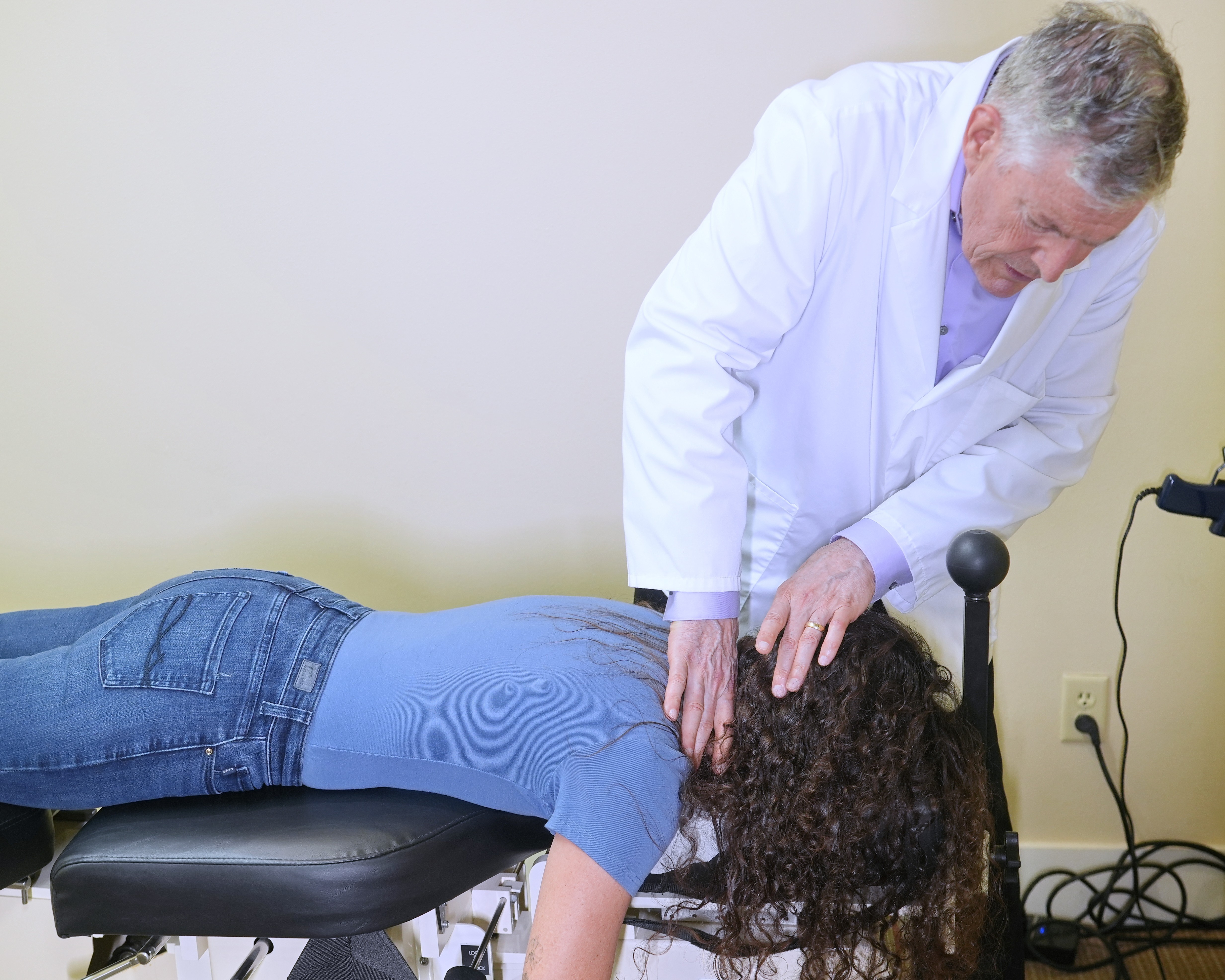
The first step is a thorough evaluation. This includes a detailed history of your headaches, a physical examination of your neck and spine, and assessments of posture, range of motion, and joint function. Dr. Douglass will also check for muscle tension, trigger points, and areas of restricted movement. In some cases, diagnostic imaging may be recommended to rule out other conditions or better understand structural issues.
Spinal adjustments are a cornerstone of chiropractic care for cervicogenic headaches. These precise, controlled movements help restore normal motion to restricted joints in the cervical spine. When joints move properly, nerve irritation decreases, inflammation subsides, and the nervous system can function more efficiently. Research published in The Spine Journal and Journal of Manipulative and Physiological Therapeutics has shown that spinal manipulation can be effective in reducing the frequency and intensity of cervicogenic headaches.
Soft tissue therapies complement adjustments by addressing muscle tension, trigger points, and fascial restrictions. Techniques such as myofascial release, instrument-assisted soft tissue mobilization, and therapeutic massage help relax tight muscles, improve circulation, and reduce referred pain. Releasing tension in the suboccipital muscles, upper trapezius, and other key areas can provide significant relief.
Postural correction and ergonomic guidance are essential for long-term success. Dr. Timothy Douglass works with patients to identify postural habits and environmental factors that contribute to neck strain. This might include adjusting workstation setup, modifying sleeping positions, or changing how you use your phone and other devices. Small changes in daily habits can make a big difference over time.
Therapeutic exercises and stretches help strengthen weak muscles, improve flexibility, and support proper neck mechanics. Your chiropractor may prescribe specific exercises to target the deep neck flexors, scapular stabilizers, and other muscles that support cervical health. Consistent practice of these exercises can reduce the likelihood of headache recurrence.
Patient education is a vital component of care. Understanding the connection between your neck and your headaches empowers you to take an active role in your recovery. Learning to recognize early warning signs, avoid triggers, and implement self-care strategies can help you manage symptoms more effectively and prevent flare-ups.
Practical Tips to Support Neck Health and Reduce Headaches
In addition to professional chiropractic care, there are several practical steps you can take at home and at work to support your neck and reduce the frequency of cervicogenic headaches. These strategies focus on reducing strain, maintaining good posture, and promoting overall spinal health.
Start by evaluating your workspace ergonomics. Your computer monitor should be at eye level so you’re not looking down or tilting your head forward. Your chair should support the natural curve of your lower back, and your feet should rest flat on the floor. Position your keyboard and mouse so your elbows are at a 90-degree angle and your wrists are in a neutral position. Taking breaks every 30 to 45 minutes to stand, stretch, and move can prevent prolonged static postures that strain your neck.
Be mindful of your smartphone and tablet use. Holding your device at chest level and bringing it up to eye level—rather than dropping your head down to look at it—can significantly reduce neck strain. This simple adjustment can prevent the repetitive forward head posture that contributes to cervicogenic headaches over time.
Pay attention to your sleeping position and pillow choice. Sleeping on your back or side with a supportive pillow that keeps your neck in neutral alignment is ideal. Avoid sleeping on your stomach, which forces your neck into prolonged rotation and can aggravate cervical joints and muscles. If you wake up with a stiff neck or headache, your pillow may need adjusting or replacing.
Incorporate gentle neck stretches and mobility exercises into your daily routine. Simple movements like chin tucks, neck rotations, and shoulder blade squeezes can help maintain flexibility and relieve tension. Hold stretches for 15 to 30 seconds and repeat them several times throughout the day, especially if you’ve been sitting for extended periods.
Manage stress through relaxation techniques. Stress often manifests as muscle tension in the neck and shoulders, which can trigger or worsen headaches. Practices like deep breathing, meditation, progressive muscle relaxation, or yoga can help calm your nervous system and reduce physical tension.
Stay hydrated and maintain a balanced diet. Dehydration and certain dietary triggers can contribute to headaches, so drinking plenty of water and eating nutrient-rich foods supports overall health and may reduce headache frequency. While diet alone won’t resolve cervicogenic headaches, it plays a supportive role in your body’s ability to heal and function optimally.
Avoid heavy lifting or sudden, jerky movements that strain the neck. If you need to lift something, use proper body mechanics—bend at your hips and knees, keep the object close to your body, and avoid twisting your neck or spine. Being mindful of how you move can prevent unnecessary stress on your cervical structures.
When to See a Chiropractor for Your Headaches
Knowing when to seek professional help is important. While occasional headaches are common and often resolve on their own, certain patterns and symptoms suggest that chiropractic evaluation may be beneficial—or even necessary.
If your headaches are frequent, occurring more than a few times per month or interfering with your daily activities, it’s time to consult a chiropractor. Chronic headaches that persist despite over-the-counter pain relievers or lifestyle modifications may have an underlying musculoskeletal cause that needs to be addressed.
When your headaches are accompanied by neck pain, stiffness, or reduced range of motion, this is a strong indicator of a cervical origin. If turning your head, looking up, or holding a specific posture triggers or worsens your headache, chiropractic care may help by restoring proper joint function and reducing nerve irritation.
If you’ve recently experienced a neck injury—such as whiplash from a car accident, a fall, or a sports impact—and are now experiencing headaches, it’s important to have your cervical spine evaluated. Even if the injury seemed minor at the time, lingering dysfunction can lead to chronic headache patterns if left untreated.
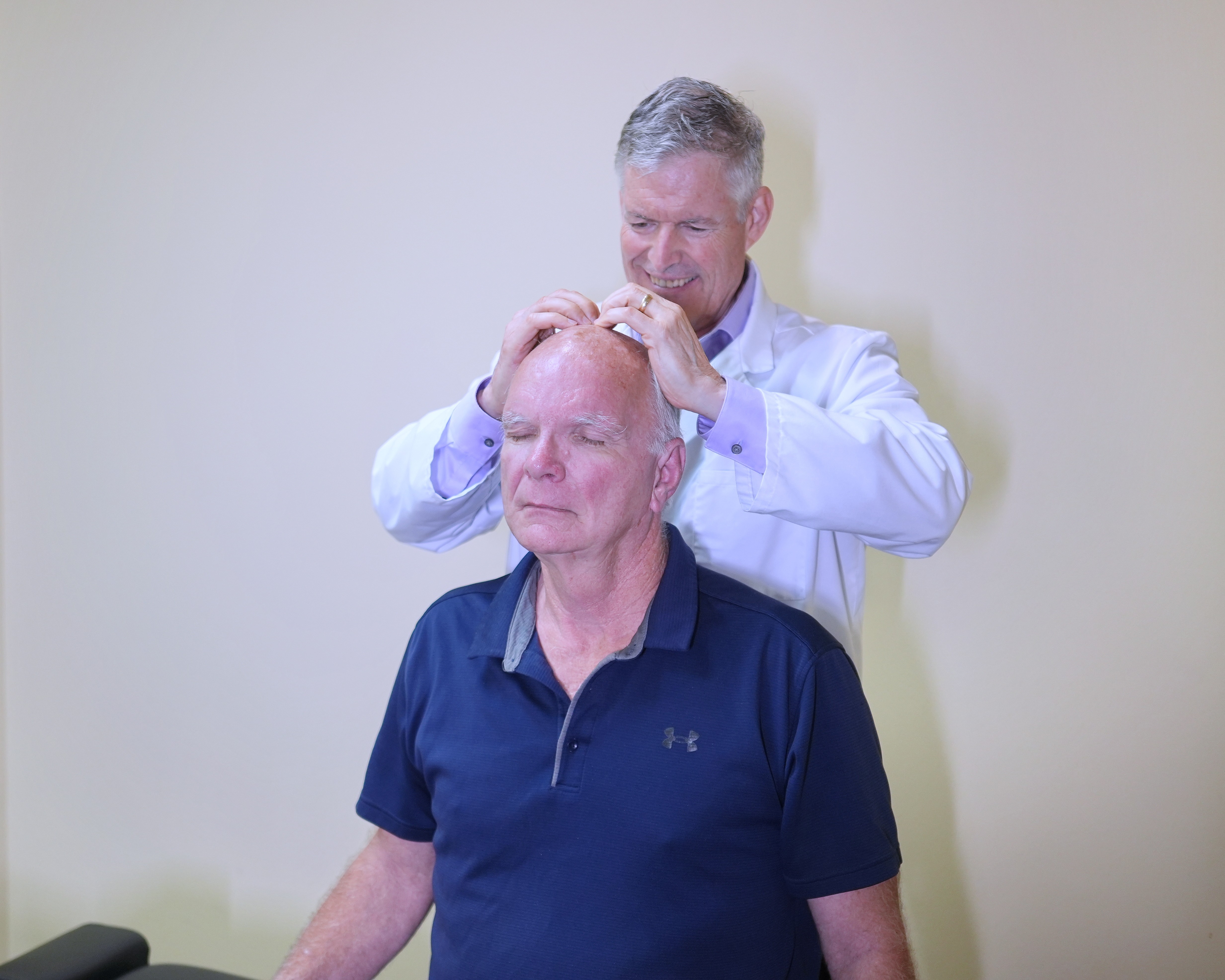
When headaches are affecting your quality of life, productivity, or ability to enjoy activities you love, seeking care is a proactive step. Here in Destin, Dr. Timothy Douglass and the team at Douglass Chiropractic are experienced in helping patients identify the root causes of their headaches and develop personalized care plans.
However, there are certain red flag symptoms that warrant immediate medical attention rather than chiropractic care alone. Seek emergency medical evaluation if you experience a sudden, severe headache unlike any you’ve had before—often described as a “thunderclap” headache. Other red flags include headaches accompanied by fever, stiff neck, confusion, vision changes, difficulty speaking, numbness or weakness, or loss of consciousness. These symptoms may indicate a serious medical condition that requires urgent diagnosis and treatment.
If you have a history of cancer, recent significant trauma, unexplained weight loss, or worsening neurological symptoms, it’s important to consult with a medical doctor for a thorough evaluation before beginning chiropractic treatment. Chiropractors are trained to recognize these red flags and will refer you to the appropriate healthcare provider when necessary.
| Type of Headache | Typical Pain Location | Common Triggers | Associated Symptoms |
|---|---|---|---|
| Cervicogenic Headache | Base of skull, radiating forward to forehead or temple | Neck posture, prolonged sitting, previous injury | Neck stiffness, reduced range of motion, tenderness at base of skull |
| Tension-Type Headache | Band-like pressure around entire head | Stress, muscle tension, fatigue | Tight scalp or neck muscles, mild to moderate pain |
| Migraine | Usually one side, often throbbing | Hormones, foods, stress, sensory stimuli | Nausea, light and sound sensitivity, visual disturbances |
| Cluster Headache | Severe pain around one eye or temple | Alcohol, strong smells, changes in sleep | Eye redness, tearing, nasal congestion on affected side |
Myths vs. Facts About Neck-Related Headaches
Myth: All headaches are the same and should be treated with pain medication.
Fact: Headaches have many different causes, and cervicogenic headaches originate from neck dysfunction rather than issues within the head itself. While pain medication may provide temporary relief, it doesn’t address the underlying neck problem. Chiropractic care focuses on correcting the structural and functional issues in the cervical spine that generate the headache, offering a more targeted and potentially longer-lasting solution.
Myth: Cracking your own neck will relieve cervicogenic headaches.
Fact: Self-manipulation of the neck can be dangerous and is not the same as a professional chiropractic adjustment. When you crack your own neck, you’re often moving joints that are already hypermobile while the restricted joints remain stuck. This can worsen imbalances and increase the risk of injury. Chiropractors are trained to identify and adjust specific joints that need correction, using precise, controlled techniques that are both safe and effective.
Myth: Cervicogenic headaches only affect older adults.
Fact: While degenerative changes in the spine are more common with age, cervicogenic headaches can affect people of all ages. Young adults and even teenagers can develop these headaches due to poor posture, tech neck from smartphone use, sports injuries, or other factors. In fact, Dr. Timothy Douglass regularly treats patients in their twenties and thirties at Douglass Chiropractic in Destin, FL, who are experiencing headaches related to modern lifestyle habits.
Myth: If chiropractic care doesn’t work immediately, it won’t work at all.
Fact: While some patients experience relief after just one or two visits, others may need several weeks of consistent care to see meaningful improvement—especially if the neck dysfunction has been present for months or years. Healing takes time, and the body needs repeated, gentle corrections to restore proper function and break the pain cycle. Progress may be gradual, but lasting results are worth the commitment.
Myth: You have to live with chronic headaches—there’s nothing that can be done.
Fact: Many people suffer needlessly because they don’t realize their headaches are treatable. Cervicogenic headaches respond well to conservative care approaches like chiropractic adjustments, soft tissue therapy, postural correction, and lifestyle modifications. Research and clinical experience both indicate that addressing the underlying neck dysfunction can significantly reduce headache frequency, intensity, and duration—often without the need for medication or invasive procedures.
Final Thoughts from Douglass Chiropractic
Headaches that originate in the neck can be frustrating, especially when you don’t understand where they’re coming from or what to do about them. The good news is that cervicogenic headaches are often very responsive to chiropractic care that addresses the root cause rather than just masking symptoms. Here in Destin, FL, the team at Douglass Chiropractic is committed to helping patients understand the neck-headache connection and find relief through personalized, evidence-informed care.
Dr. Timothy Douglass brings years of experience in evaluating and treating cervicogenic headaches, using a combination of spinal adjustments, soft tissue therapies, postural guidance, and patient education. Every patient’s situation is unique, and your care plan will be tailored to your specific needs, lifestyle, and goals. Whether your headaches are a recent development or something you’ve been dealing with for years, there’s hope for improvement.
If you’re tired of living with chronic headaches and want to explore a natural, non-invasive approach, we invite you to reach out. Understanding what’s happening in your body is the first step toward feeling better, and our team is here to guide you every step of the way. We’re proud to serve the Destin community and look forward to helping you experience fewer headaches and a better quality of life.
Frequently Asked Questions
How do I know if my headache is coming from my neck or something else?
If your headache pain starts at the base of your skull and radiates forward, worsens with certain neck movements or postures, and is accompanied by neck stiffness or reduced range of motion, it’s likely cervicogenic. A chiropractor can perform a thorough evaluation to determine the source of your headache and rule out other causes.
Can chiropractic adjustments really help with headaches?
Yes, research indicates that spinal manipulation can be effective for cervicogenic headaches by restoring proper joint function, reducing nerve irritation, and decreasing muscle tension in the neck. Many patients experience significant reduction in headache frequency and intensity with consistent chiropractic care.
How long does it take to see results from chiropractic treatment for neck-related headaches?
Some patients notice improvement within a few visits, while others may need several weeks of care, especially if the neck dysfunction has been chronic. Factors like the severity of your condition, how long you’ve had symptoms, and your adherence to home care recommendations all influence the timeline for relief.
Are there any risks to chiropractic neck adjustments?
Chiropractic adjustments are generally very safe when performed by a licensed, experienced chiropractor. Serious complications are extremely rare. Some patients may experience mild soreness or stiffness after an adjustment, similar to the feeling after exercise, but this typically resolves within a day or two. Your chiropractor will discuss any risks and answer your questions before beginning treatment.
Can poor posture really cause headaches?
Absolutely. Forward head posture and prolonged sitting place excessive strain on the muscles, joints, and ligaments of the cervical spine, which can lead to dysfunction and referred pain to the head. Correcting posture and ergonomics is an important part of preventing and managing cervicogenic headaches.
Will I need to keep coming to the chiropractor forever?
Not necessarily. The goal of chiropractic care is to restore function and teach you self-management strategies so you can maintain your progress. Some patients choose to continue periodic maintenance visits to stay feeling their best, while others are able to manage well on their own once their symptoms have resolved. Your care plan will be individualized based on your needs and goals.
TL;DR – Key Takeaways
- Cervicogenic headaches originate in the neck and refer pain to the head, often starting at the base of the skull and radiating forward to the forehead or temples.
- Common causes include poor posture, previous neck injuries, arthritis, repetitive strain, and muscle tension in the cervical spine.
- Key symptoms include neck stiffness, reduced range of motion, pain triggered by neck movements, and tenderness at the base of the skull.
- Chiropractic care addresses the root cause through spinal adjustments, soft tissue therapy, postural correction, and patient education, offering a drug-free approach to relief.
- Practical self-care steps like ergonomic workspace setup, mindful smartphone use, proper sleeping positions, and regular neck stretches can support long-term neck health and reduce headache frequency.


